
Managing Large Properties in Mettawa With Native Prairie, Woodland & Meadow
Manage the Property as a Collection of Natural Systems
Mettawa is known for large properties, open space, woodlands, fields, wetlands, and estate landscapes.
These properties often contain several different ecological systems within the same parcel.
Rather than managing the entire property with a single landscape approach, landowners can match different areas to the vegetation and management practices that fit them best.
1. Evaluate Existing Woodlands
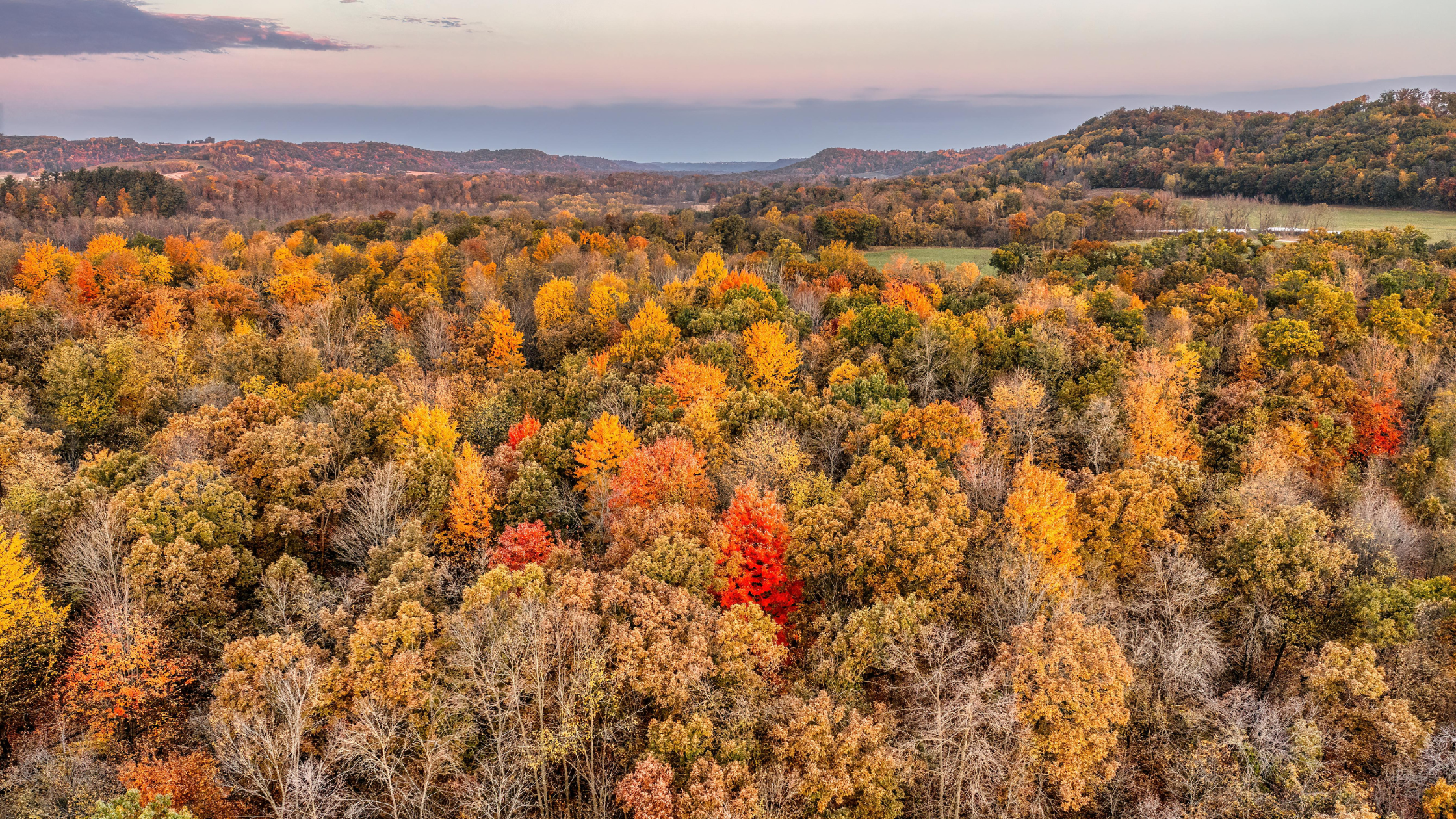
Woodlands are often the most valuable ecological feature on a property.
Look for:
- mature oak and hickory trees
- native understory plants
- invasive shrubs
- young tree regeneration
- areas of heavy shade
Removing invasive shrubs and restoring native understory vegetation can significantly improve woodland health.
2. Convert Open Fields to Prairie or Meadow
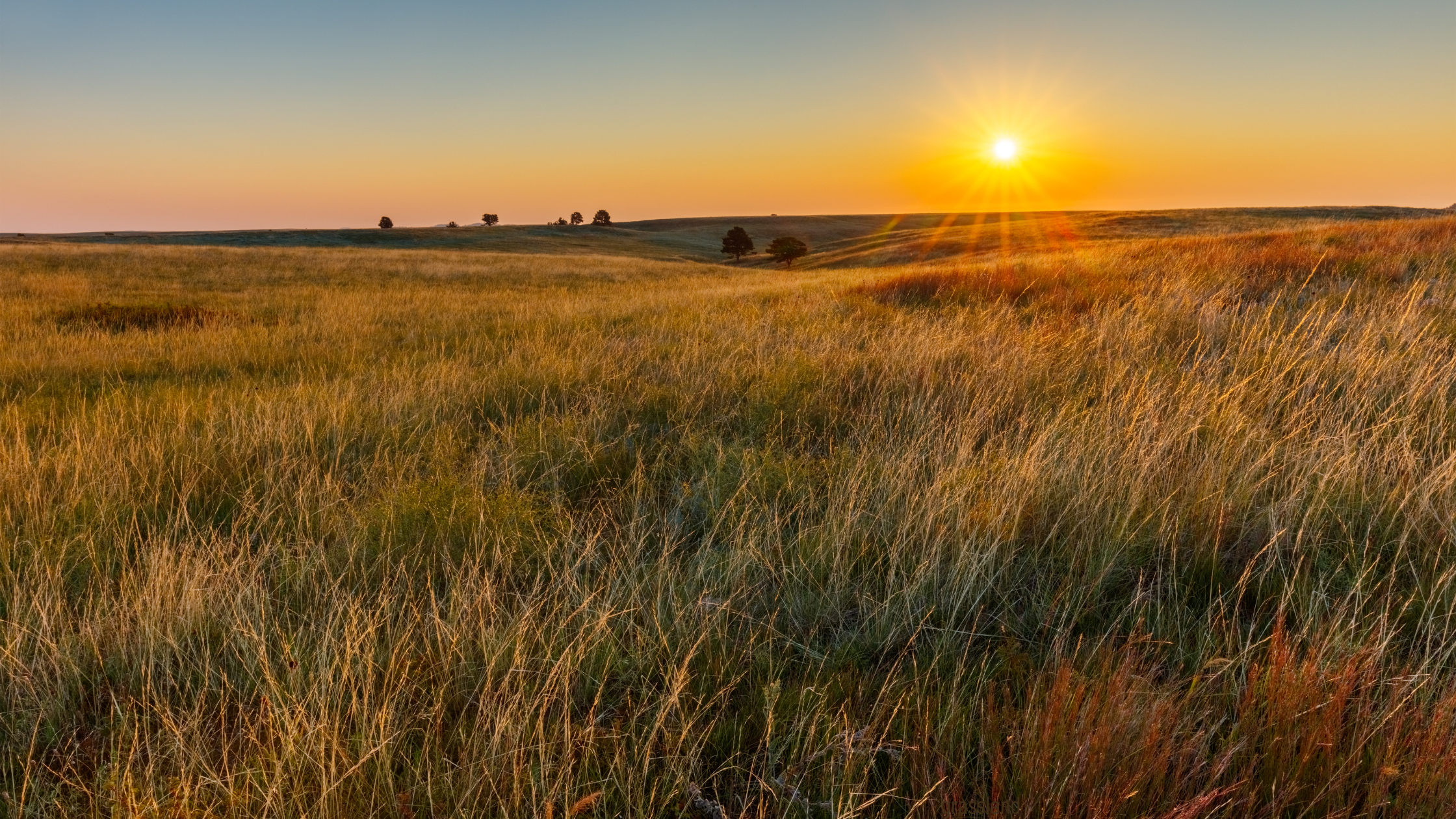
Open fields provide excellent opportunities for native vegetation.
Depending on the site, these areas may support:
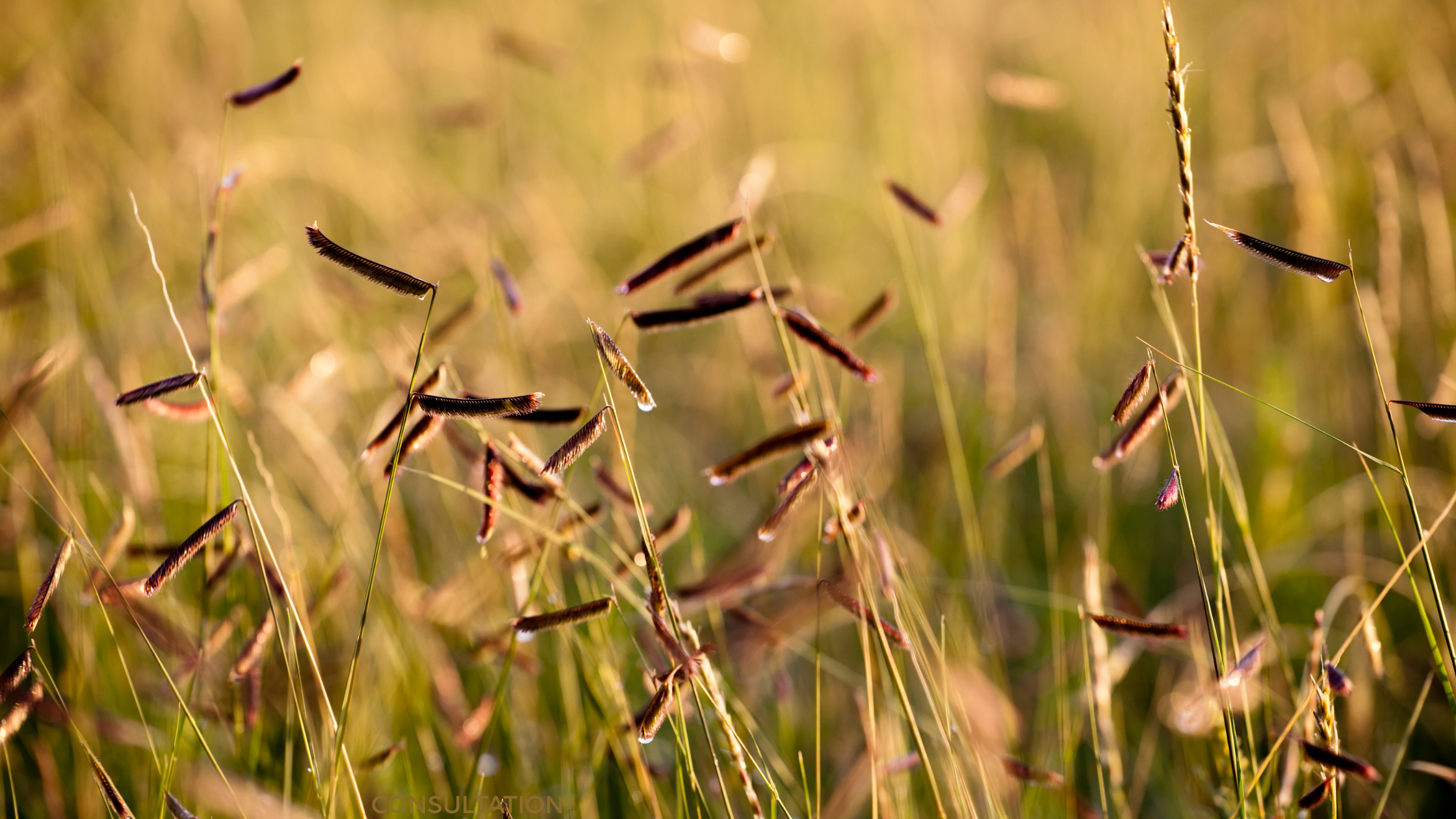
- prairie
- native meadow
- pollinator habitat
- wildlife cover
Proper preparation is critical before seeding.
3. Use Native Plants in Wet Areas
Wet depressions, pond margins, and drainage areas can support native sedges, rushes, grasses, and wildflowers.
These plants can provide better long-term stability than turf in areas that flood or remain wet.
4. Connect Habitat Across the Property
Large landscapes provide opportunities to create habitat corridors.
Prairies can connect to woodland edges. Wetland plantings can connect to pond buffers. Meadows can transition gradually into more formal landscapes around the residence.
Connectivity increases habitat value while creating a more unified landscape.
5. Maintain Formal Areas Near the Home
Native restoration does not mean eliminating traditional landscaping.
Formal gardens, lawns, and ornamental plantings can remain near the residence.
Native landscapes can occupy the larger areas beyond the immediate home where ecological restoration provides more value.
6. Plan for Prescribed Fire
Prairie and savanna systems benefit from periodic disturbance.
Prescribed fire can help:
- reduce woody encroachment
- stimulate native grasses
- suppress some invasive species
- maintain open habitat
Where fire is not practical, mowing and other management techniques can provide alternatives.
7. Develop a Multi-Year Stewardship Plan
Large properties are best managed over time.
A multi-year plan can prioritize:
- invasive species control
- prairie establishment
- woodland restoration
- wetland enhancement
- habitat connectivity
Progress can be phased around budget and available management capacity.
Ecological Consulting for Mettawa Properties
Natural Communities works with landowners across northern Illinois to plan prairie restoration, woodland management, wetland improvements, and long-term stewardship strategies for large properties.
Our consulting can support:
- prairie and meadow establishment
- woodland restoration
- wetland planting
- native seed selection
- invasive species control
- prescribed fire planning
- multi-year land stewardship
READ OUR REVIEWS
Daniel
Daniel
★★★★★
Natural communities and specifically Nick has been an
excellent and knowledgeable entity to work with on my big project. With the
help of my school, my students, many community partners, and Natural
Communities, we are in the process of restoring an area on a high school campus
to a natural prairie/pond area. Nick has come out to do site visits, he has
recommended various plant species that would work best for us, and he has been
able to get us what we want wholesale. Our site is not an easy project because
we are restricted to only native plants and native seeds and Natural
Communities has excelled in meeting our needs on this. Overall, I am so glad we
ended up working with Natural Communities because they have helped so much.
Ron
Ron
★★★★★
Our company has worked with Nick Fuller since before he
became Chief Ecological Officer for Natural Communities, LLC. His
knowledge of native plants and native seeds is remarkable. Nick was the
original steward of our 4-acre wildflower/wild grass prairie and has served us
as a reliable consultant ever since 2006. His continuing insights have
helped us to maintain and grow a healthy ecosystem.
Kathy
Kathy
★★★★★
I am extremely pleased with the one hour consultation I had
with Nick Fuller regarding our wetland creek. We have invasive plants and
grasses that have taken over our creek bed and we needed guidance on how to
both effectively remove the invasives and restore the area with native
plants suitable for the creek. Nick asked pertinent questions that allowed Nick
to identify plants and shrubs suitable for the area with a timeline for
planting. Nick also provided a detailed outline of the steps needed to remove the
invasives. I highly recommend Nick to anyone seeking help with their native
plant garden or to anyone interested in growing a native plant garden.
Shane
Shane
★★★★★
Spoke to owner in depth regarding a couple of different
projects I’m working on- very knowledgeable and professional. I plan on
purchasing seed for my projects through Natural Communities and will follow up
in the future if necessary. Highly recommend for native/natural projects!