
Native Landscaping for Large Properties in Inverness: Woodlands, Wet Areas & Estate Grounds
Manage the Property as a Living System
Inverness contains large residential properties with mature trees, woodland edges, ponds, drainage areas, open lawn, and estate landscapes.
Managing these properties successfully requires more than maintaining individual landscape beds. The entire property functions as a connected system.
Water movement, tree canopy, soil moisture, invasive species, mowing patterns, and native vegetation all influence one another.
1. Understand the Property’s Natural Structure
Large properties often contain multiple ecological zones.
Common areas include:
- upland woodland
- shaded lawn
- wet depressions
- pond edges
- open meadow areas
- woodland margins
Each area can support different types of native vegetation.
The goal is to match plant communities to the conditions that already exist rather than forcing the entire property into one landscape style.
2. Improve Woodland Health
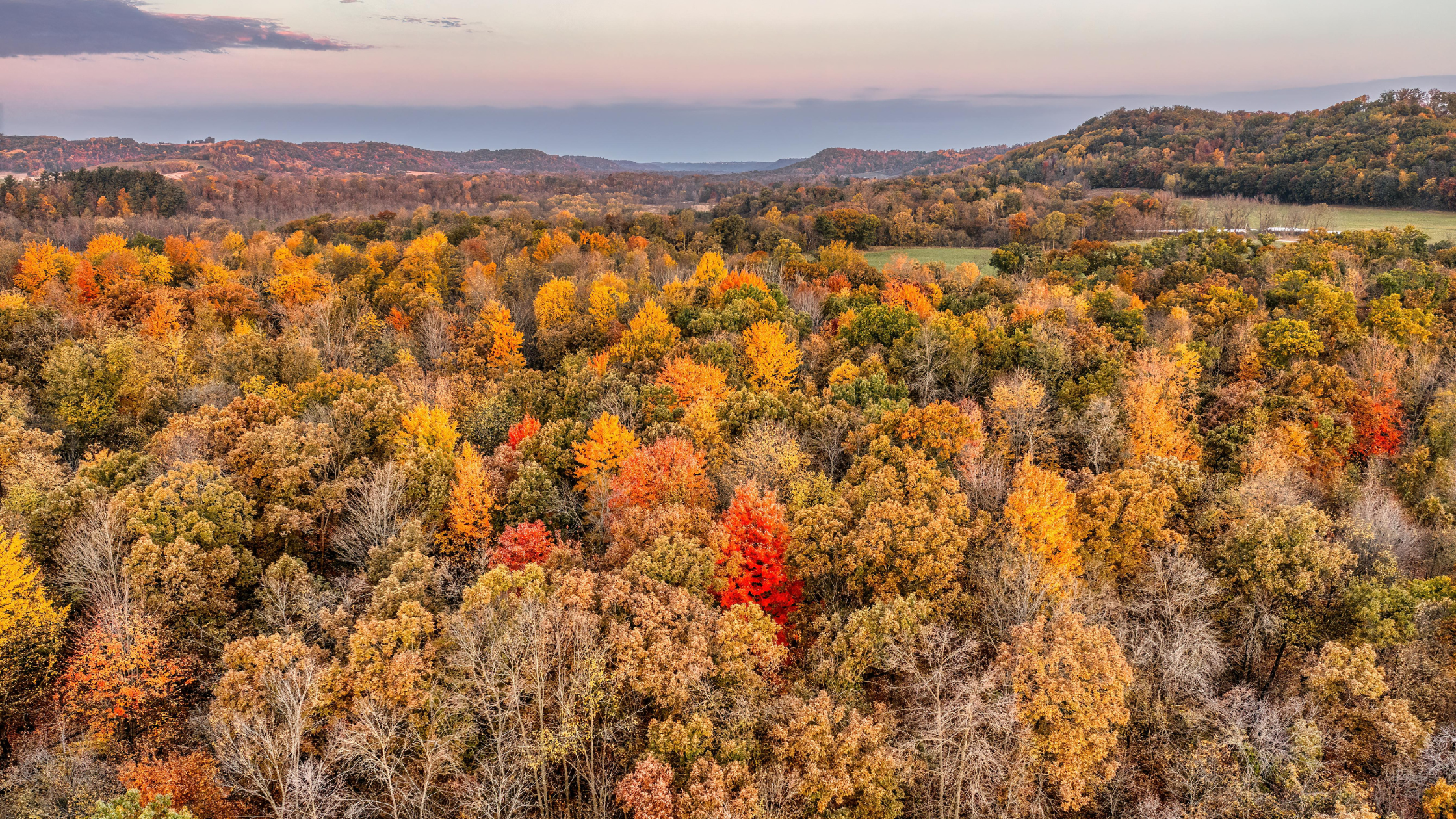
Mature trees are one of the most valuable features of many Inverness properties.
However, the understory beneath them may be dominated by invasive shrubs such as buckthorn or honeysuckle.
Removing invasive shrubs can open the woodland floor and create opportunities for native sedges, woodland grasses, wildflowers, shrubs, and young trees to recover.
3. Use Native Plants in Wet Areas
Low areas that remain wet after storms are often difficult to manage as turf.
Native wetland and wet-mesic species can tolerate changing moisture conditions and may provide better long-term stability.
These areas can often be converted into attractive natural features rather than treated as maintenance problems.
4. Reduce Unnecessary Lawn
Large estate properties frequently contain extensive lawn simply because turf has historically been the default landscape.
Some lawn is useful.
But unused lawn areas can often be converted into:
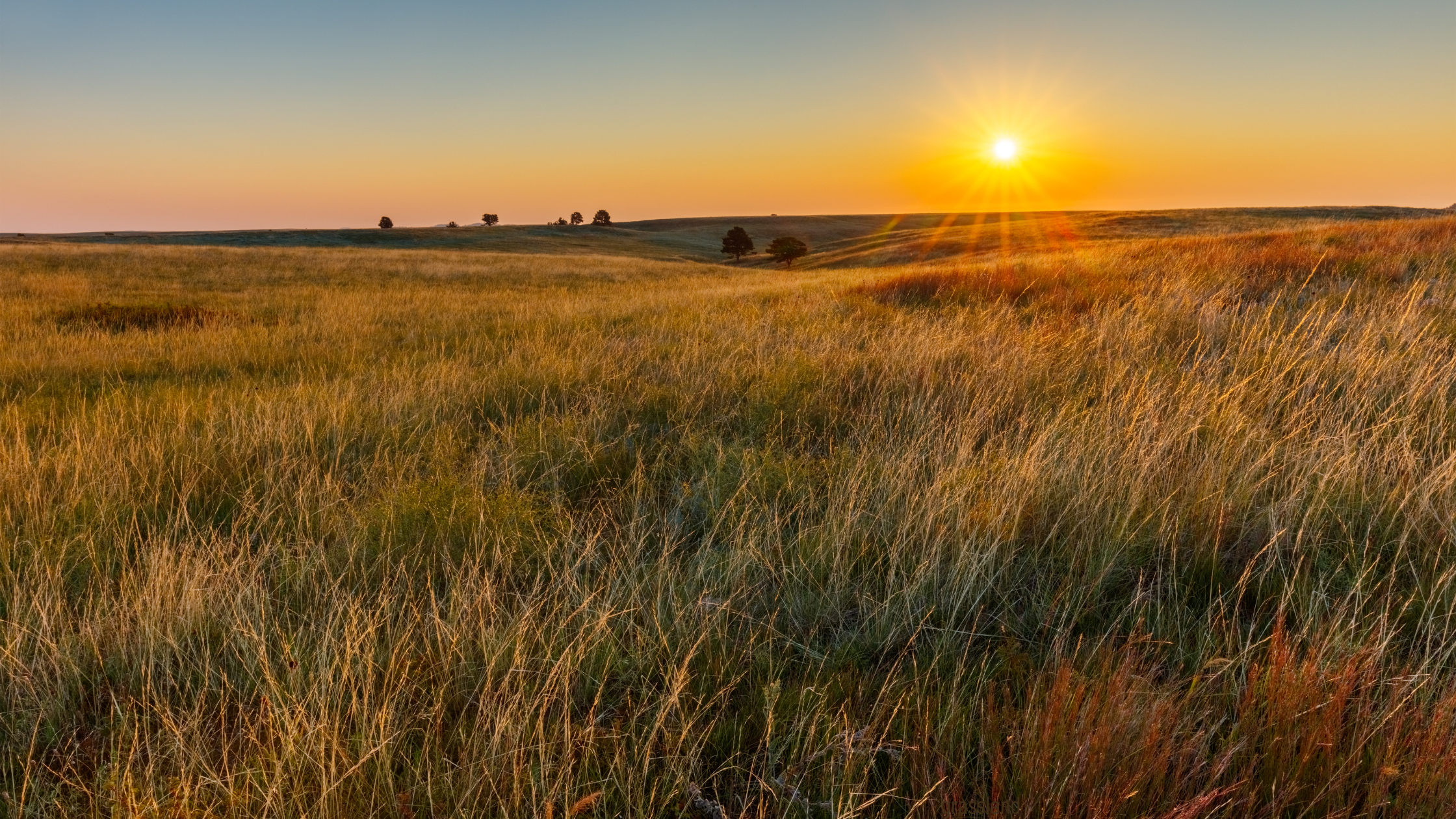
- native meadow
- prairie
- woodland edge
- pollinator habitat
- stormwater planting
This reduces mowing while increasing ecological value.
5. Protect Mature Trees During Restoration
Restoration should never damage the features you are trying to protect.
When managing woodlands or converting lawn near mature trees, consider:
- root zones
- soil compaction
- herbicide use
- grading
- changes in drainage
A thoughtful restoration plan works around mature trees rather than against them.
6. Connect Habitat Areas
Native plantings provide more ecological value when they are connected.
A meadow connected to a woodland edge, pond buffer, or wetland creates a larger habitat network than isolated landscape beds.
These connections can also improve wildlife movement across the property.
7. Manage the Landscape Over Time
Native landscapes change from year to year.
Some species expand. Others decline. Invasive plants may appear. Weather patterns influence vegetation.
Successful stewardship involves observing those changes and adjusting management over time.
Ecological Consulting for Inverness Properties
Natural Communities helps landowners across northern Illinois evaluate large properties, identify restoration opportunities, manage invasive species, and develop long-term stewardship strategies.
Our consulting can support:
- woodland restoration
- wet-area planting
- native meadow creation
- pond-edge restoration
- invasive species control
- native plant and seed selection
- multi-year stewardship planning
READ OUR REVIEWS
Daniel
Daniel
★★★★★
Natural communities and specifically Nick has been an
excellent and knowledgeable entity to work with on my big project. With the
help of my school, my students, many community partners, and Natural
Communities, we are in the process of restoring an area on a high school campus
to a natural prairie/pond area. Nick has come out to do site visits, he has
recommended various plant species that would work best for us, and he has been
able to get us what we want wholesale. Our site is not an easy project because
we are restricted to only native plants and native seeds and Natural
Communities has excelled in meeting our needs on this. Overall, I am so glad we
ended up working with Natural Communities because they have helped so much.
Ron
Ron
★★★★★
Our company has worked with Nick Fuller since before he
became Chief Ecological Officer for Natural Communities, LLC. His
knowledge of native plants and native seeds is remarkable. Nick was the
original steward of our 4-acre wildflower/wild grass prairie and has served us
as a reliable consultant ever since 2006. His continuing insights have
helped us to maintain and grow a healthy ecosystem.
Kathy
Kathy
★★★★★
I am extremely pleased with the one hour consultation I had
with Nick Fuller regarding our wetland creek. We have invasive plants and
grasses that have taken over our creek bed and we needed guidance on how to
both effectively remove the invasives and restore the area with native
plants suitable for the creek. Nick asked pertinent questions that allowed Nick
to identify plants and shrubs suitable for the area with a timeline for
planting. Nick also provided a detailed outline of the steps needed to remove the
invasives. I highly recommend Nick to anyone seeking help with their native
plant garden or to anyone interested in growing a native plant garden.
Shane
Shane
★★★★★
Spoke to owner in depth regarding a couple of different
projects I’m working on- very knowledgeable and professional. I plan on
purchasing seed for my projects through Natural Communities and will follow up
in the future if necessary. Highly recommend for native/natural projects!