
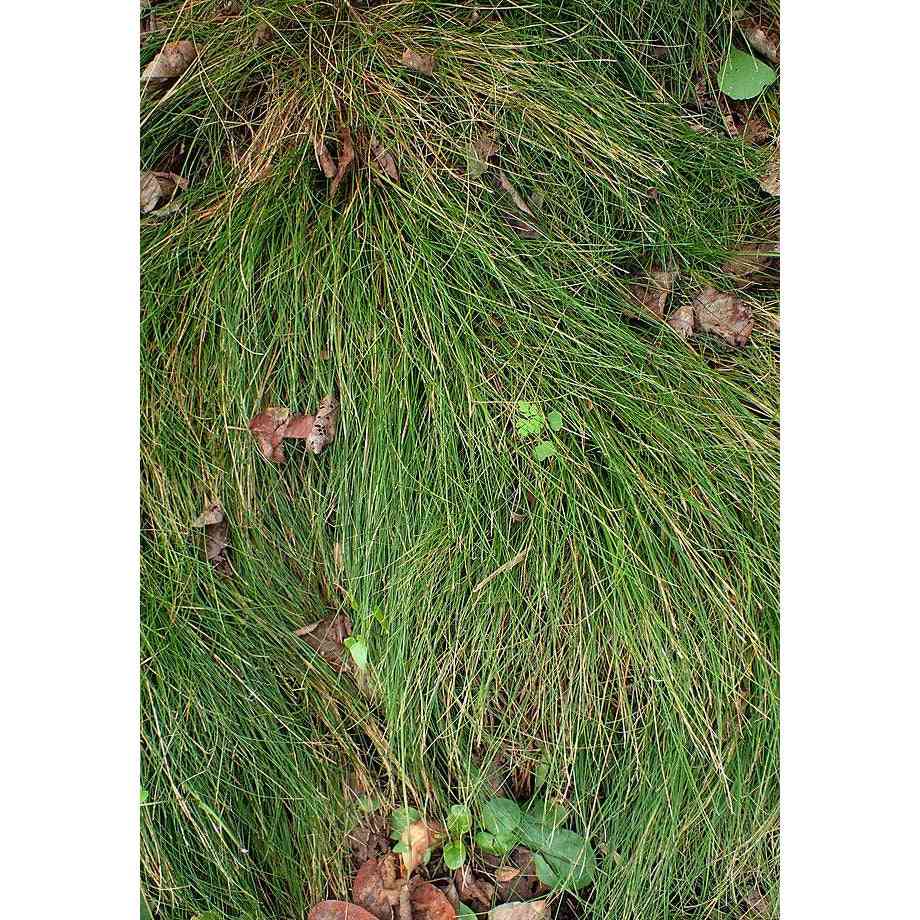
Carex eburnea (Cedar Sedge or Ivory sedge)
Carex eburnea (Cedar Sedge or Ivory sedge)
Couldn't load pickup availability
$30 minimum per species for seed.
$30 minimum per species for seed.
Each species requires a minimum of $30 of seed to proceed with checkout.
Pure Live Seed
Pure Live Seed
Seed is provided in Pure Live Seed (PLS) unless otherwise stated.
Pure Live Seed (PLS) refers to the percentage of a seed lot that consists of the desired species and is viable (capable of germination).
Here's why PLS is crucial for native seeds:
-
Accurate Planting:
- PLS helps determine the actual number of viable seeds in a given weight or volume of seed.
- This ensures you plant the correct amount of seed to achieve the desired density and success rate.
-
Cost-Effectiveness:
- By knowing the PLS, you can avoid overspending on seed that may not germinate.
- This is especially important for native seeds, which can be more expensive than some cultivated varieties.
-
Weed Control:
- PLS helps minimize the presence of weed seeds within the seed lot.
- This reduces competition for resources and ensures the successful establishment of the desired native plants.
-
Ecological Restoration:
- Using high-quality native seeds with a high PLS is essential for successful ecological restoration projects.
- It helps to re-establish diverse and resilient plant communities that support local wildlife.
Weight Conversions lbs. to oz.
Weight Conversions lbs. to oz.
0.01 pounds = 0.16 ounces
- 0.1 pounds = 1.6 ounces
- 0.25 pounds = 4 ounces
- 0.5 pounds = 8 ounces
- 0.75 pounds = 12 ounces
- 1.00 pounds = 16 ounces
Carex eburnea (Cedar Sedge or Ivory sedge) is a short sedge usually coming in at only 6". A very useful pant for rock gardens and around pavers, and stone to give them the natural look, yet it is a very distinguished tufted look. Typically found mixed deciduous and conifer forests, in rocky outcroppings, and limestone bluffs in dry soils and semi-shade.
Frequently Asked Questions
Why Purchase From Natural Communities Native Plants?
What Native Plants Should I Buy?
What Can I Expect: Shipping/Free Local Pick Up?
Photot By: Krzysztof Ziarnek, Kenraiz
Plant Shipping & Care
Plant Shipping & Care
We want to ensure that our customers get what they want, a native backyard oasis. To do that, we need to follow a few simple guidelines and give you some information and pointers to make sure you get your plants delivered in a healthy state.
As a reminder, you will receive an email to confirm your pickup or shipping window just before the plants are ready. See Order Fulfillment below for seasonal fulfillment windows.
Choices to Receive Your Plants & Accessories
- Retail - We only offer shipping & shipping is calculated at check out*
- We do not offer retail pick up
- Wholesale - Delivery is customized based on order size and location
- Wholesale - Pickup is free
Order Fulfilment - When Your Plants or Other Items Will Be Ready
We take orders all year long and seed is shipped all year, but we only provide the plants to you in certain fulfillment windows to ensure healthy plants.
Wholesale Orders
- Shipped or are Ready For Pick Up As Requested.
Retail & Website Orders
- Seed Typically Ships Out Within One Week Of Order All Year Long
- Typically, single species flats ship when ready, sometimes as soon as early to mid-April (depends on weather) through early-October.
- Mixed species kits are batched and shipped as indicated on the product page.
- If a plant order is placed while outside of the plant fulfillment window your plants will be reserved through your payment, however, the order will not be fulfilled and shipped until the following spring. We don't want to provide you plants when they won't be happy during the cold winter months.
- Early in the spring and later in the fall certain species may be dormant or partially dormant with brown leaves, however they will return to grow healthy next growing season.
- Your order may arrive in several different shipments.
- If certain plants within an order will not be available until a later date, we may choose to hold the full order until all are ready. In certain circumstances, we may choose to send them in two separate shipments
- Fulfillment is always dependent upon plant availability. We try our best but sometimes plants do not overwinter well and perish. If a plant is on back order you will receive an email indicating the estimated shipping date. If we can not provide the plant we will first notify you and give you an option of substitution or a refund of that individual species.
- Plants are typically only packaged and shipped on Mondays to ensure they do not sit in the harsh delivery facility for extended periods of time over the weekend. You will receive a confirmation email once your delivery has been shipped and to estimate your delivery date.
- Apparel & accessories are ready typically within one to two weeks. See product page for holiday shipping.
Where We Ship

What to Expect When Receiving Your Delivery
- Your plants will be packaged with the utmost care
- We will need to cut back certain plants prior to shipping. This seems counter-intuitive, however, the fewer leaves the less water the plants can lose during shipping, resulting in healthier plants for you. This also enables the plants to fit within the protective packaging and shipped safely.
Shipments
- Larger plant shipments will look similar to the picture below with a tray of your plants and a cardboard box to protect them during shipping.

What to Do With Your Plants After Receiving Your Delivery
- Unpack your order IMMEDIATELY
- Inspect for damage and report any issues immediately to Natives@NaturalCommunities.net
- Water your plants
- Install your plants as quickly as possible and water the entire garden area thoroughly
- If you cannot install your plants immediately
- Some plants may not be in a container, put them into some kind of a container such as a paper cup with loose soil until installation
- Make sure each plant is receiving the appropriate amount of light.
- Continue to water daily each morning and possibly again in the afternoon
- No additional fertilizer is needed

Seed Shipping & Care
Seed Shipping & Care
There is a minimum order requirement of $30 for each seed species. Seed ships all year and typically ships within a week of an order being placed.
We have attempted to put together some basic information regarding native seed installation, establishment, and maintenance. We hope you find it helpful. If you need further assistance on native seed establishment, please schedule a free consolation call here.
Consultation Services
Ecosystem Restoration Considerations
Native Seed Establishment Best Management Practices
Native Seed Stratification Best Management Practices
Questions & Answers
Have a Question?
Be the first to ask a question about this.