
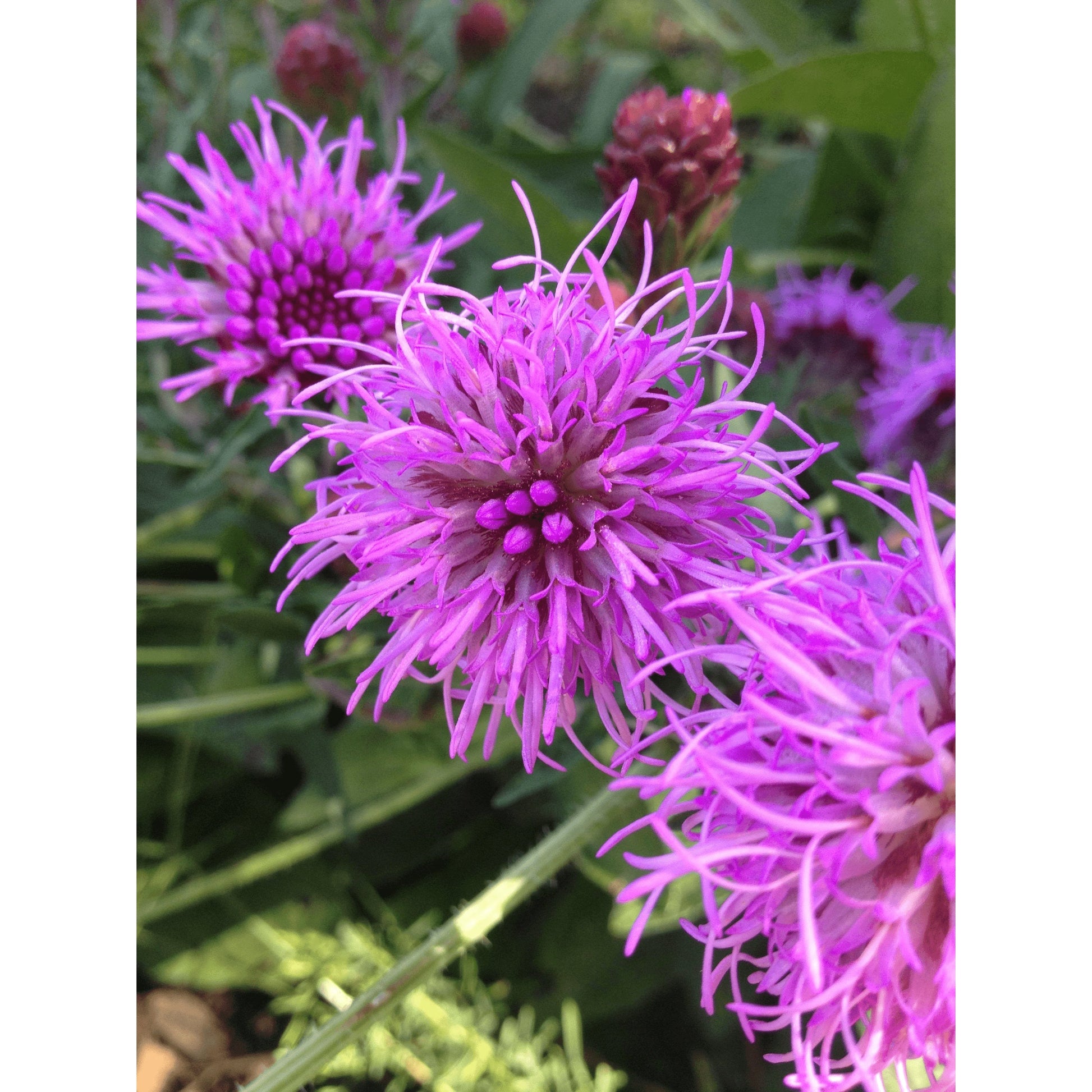
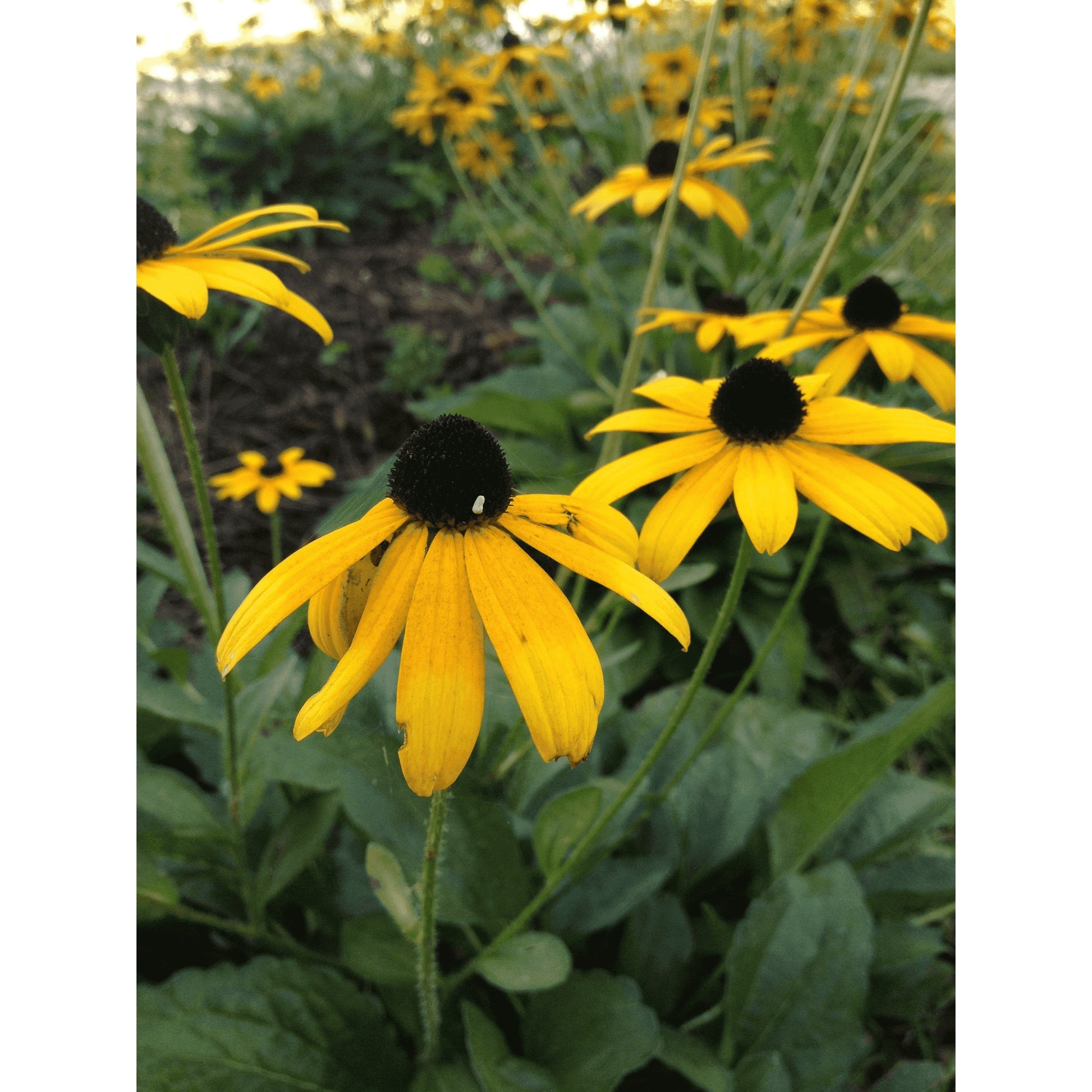
Mesic Short Prairie Native Seed Mix
Mesic Short Prairie Native Seed Mix
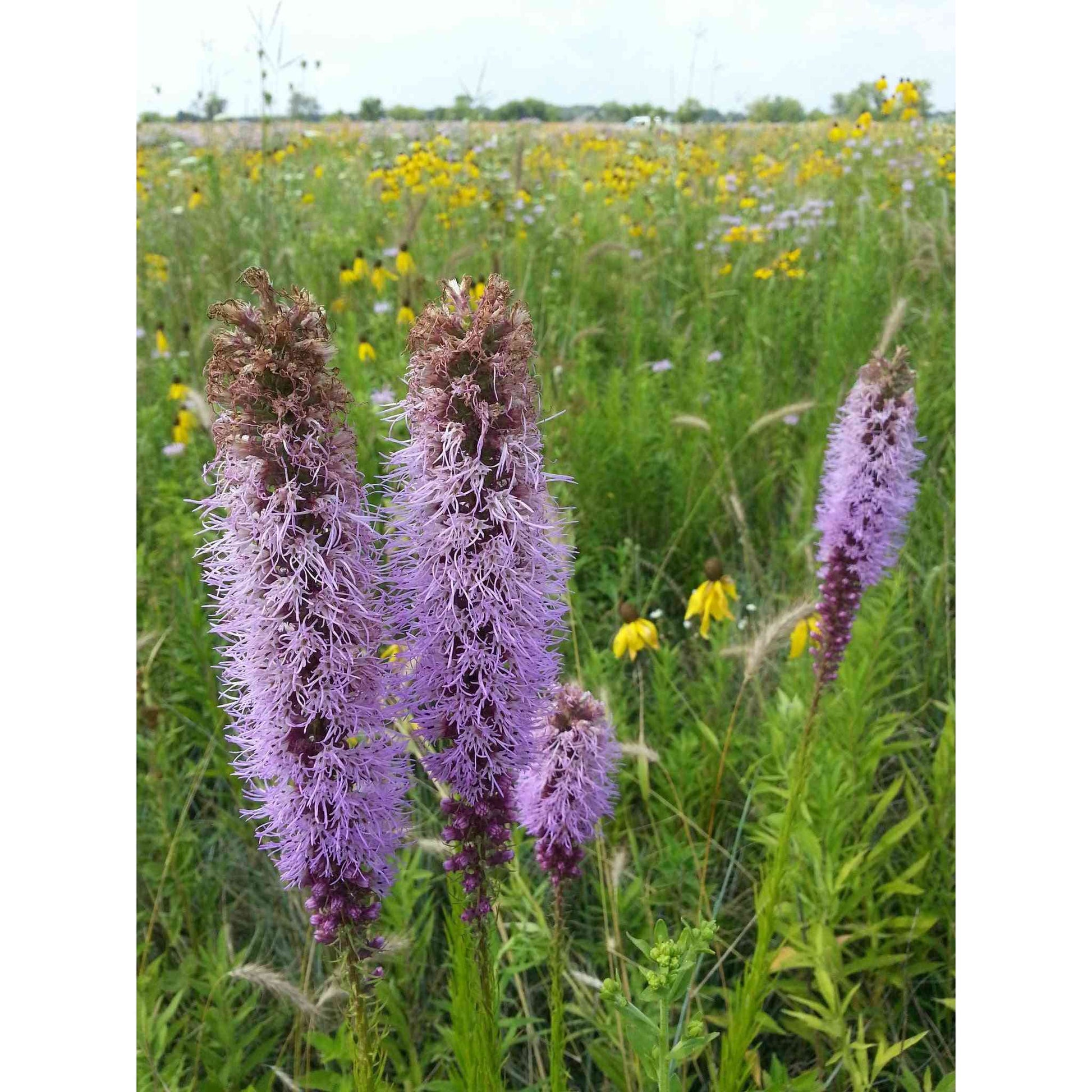
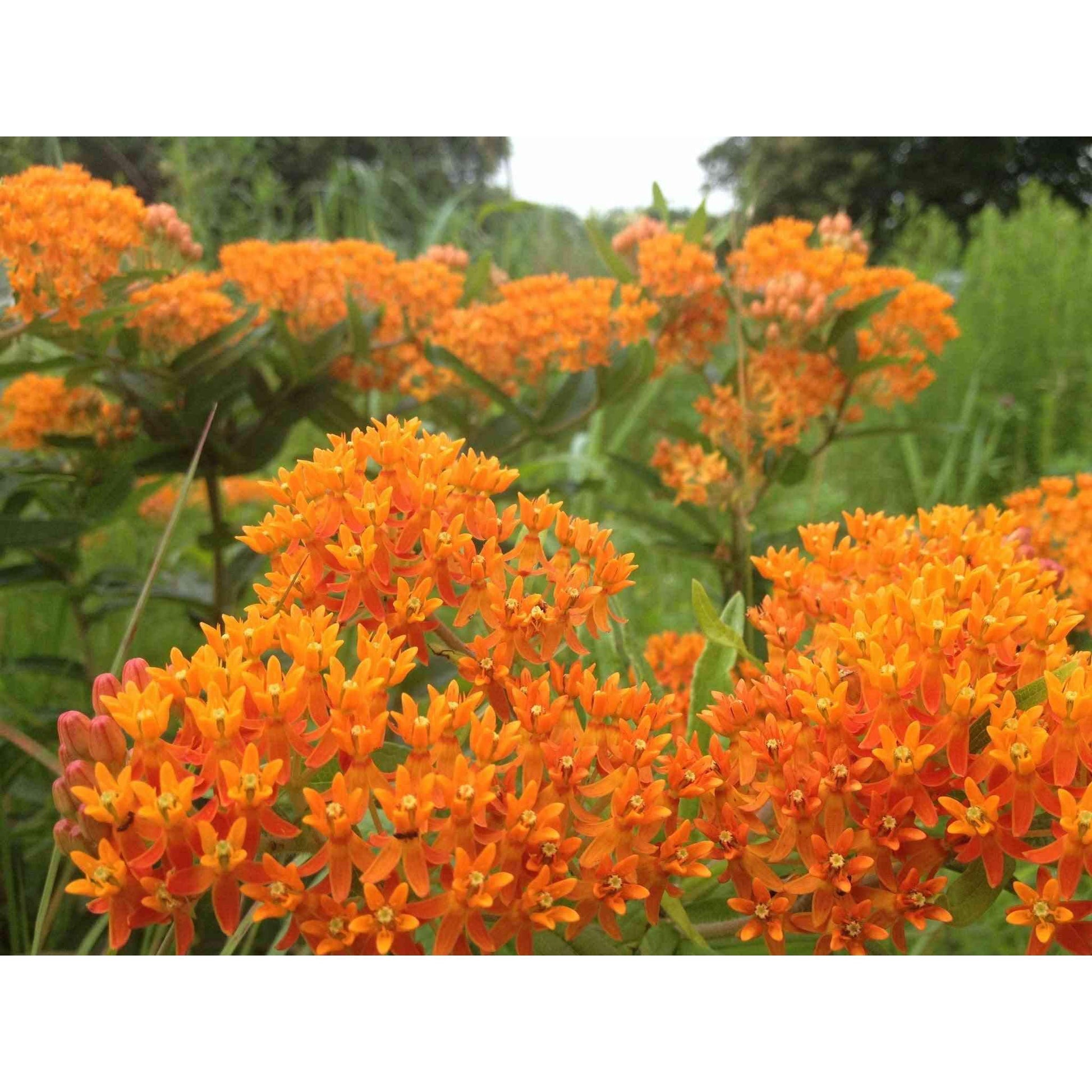
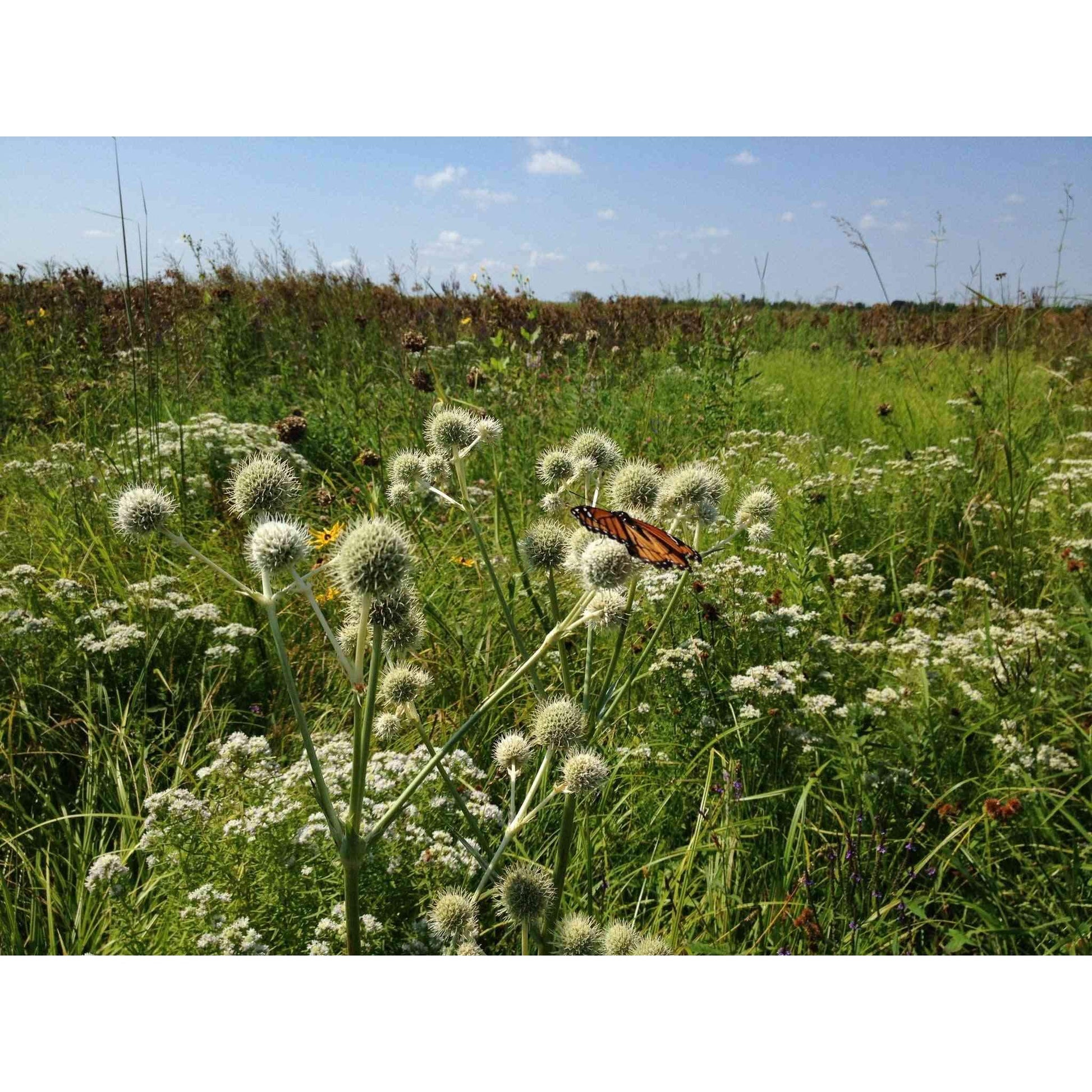
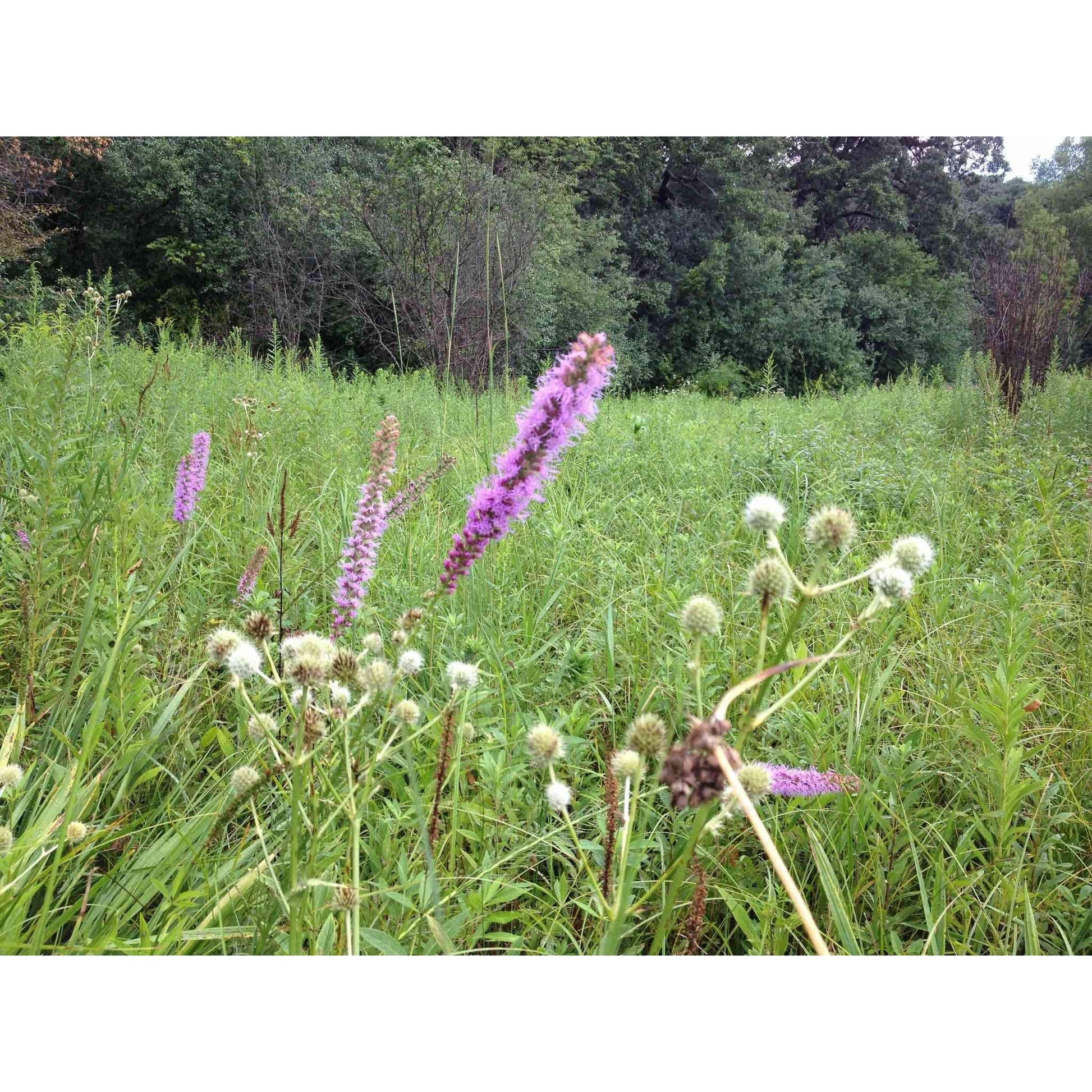
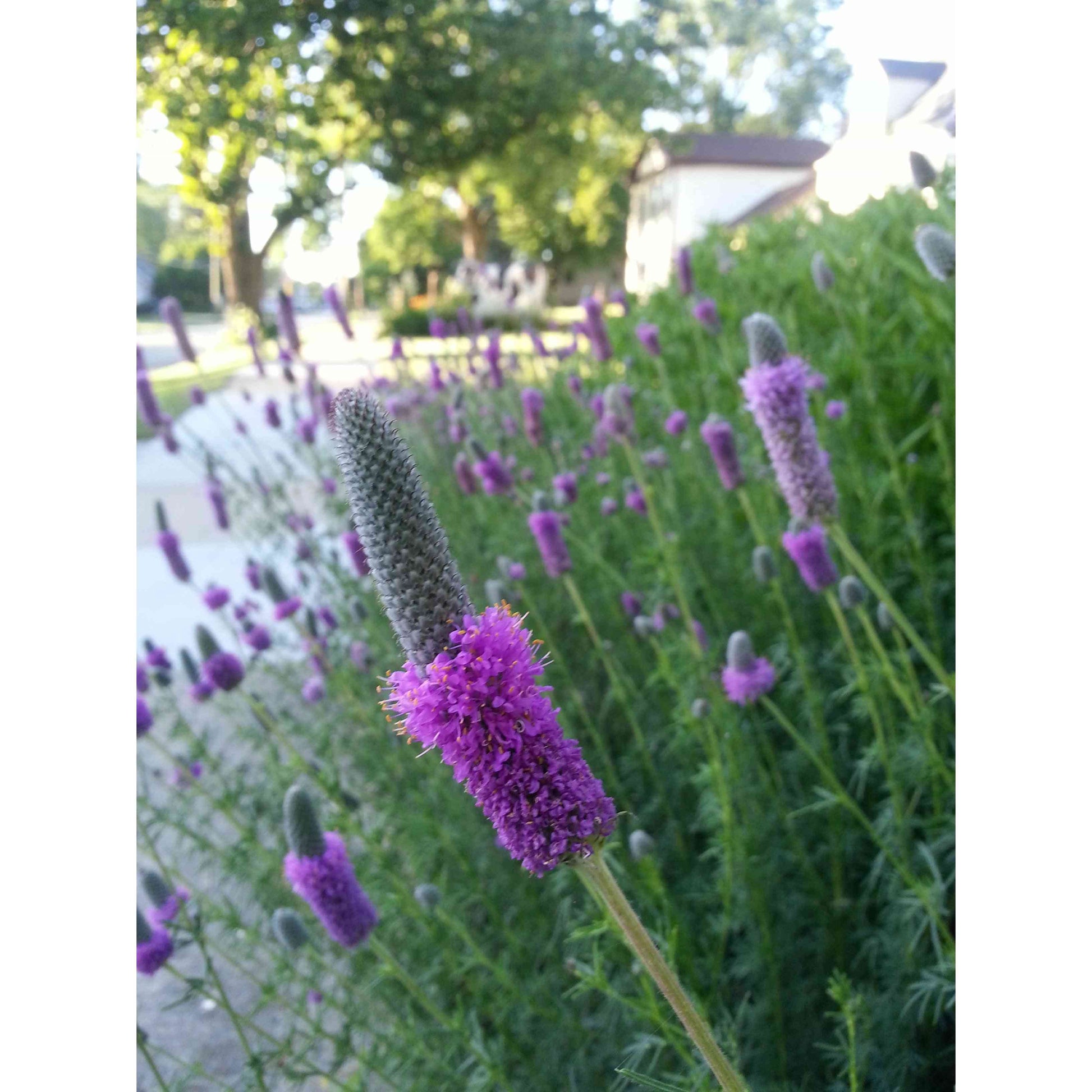
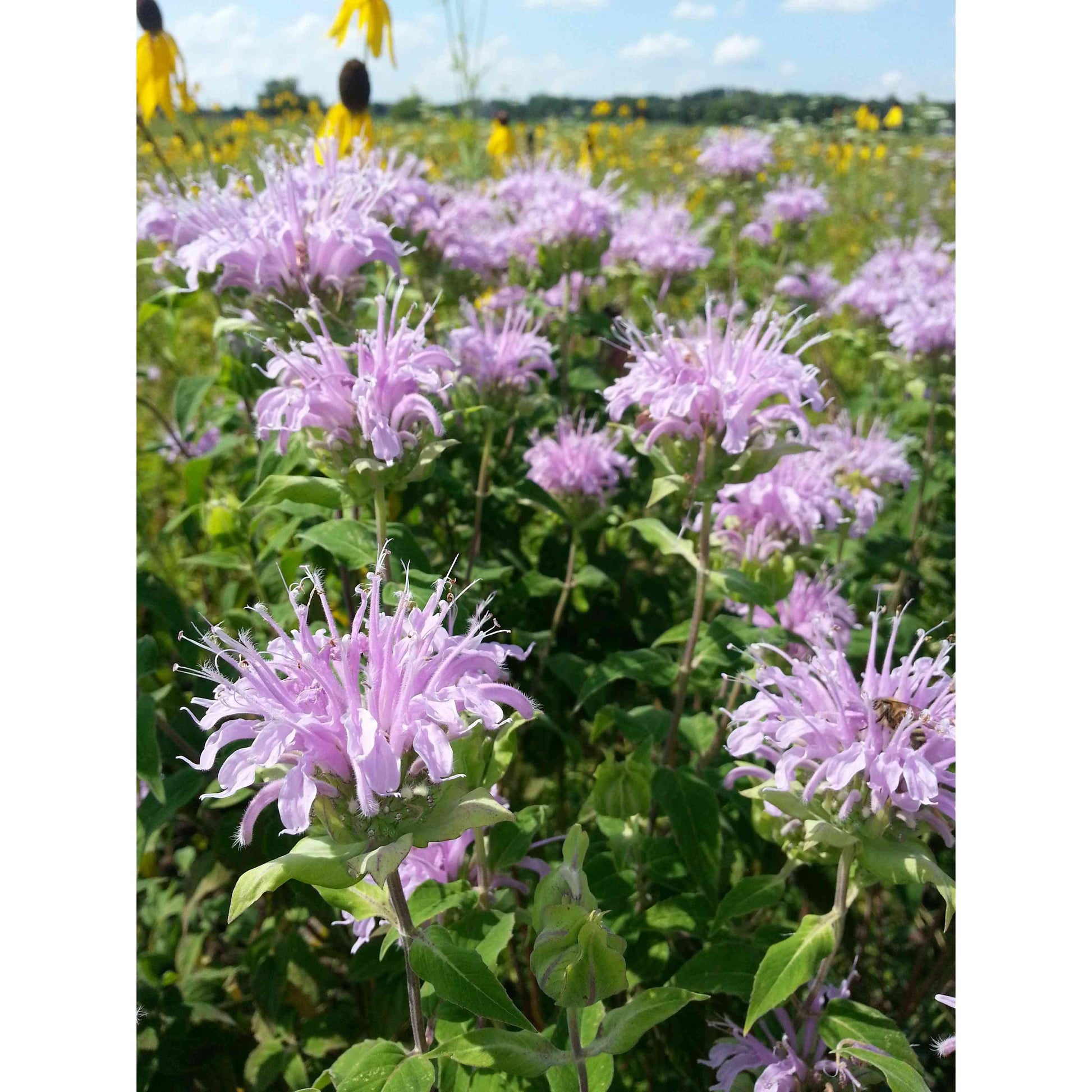
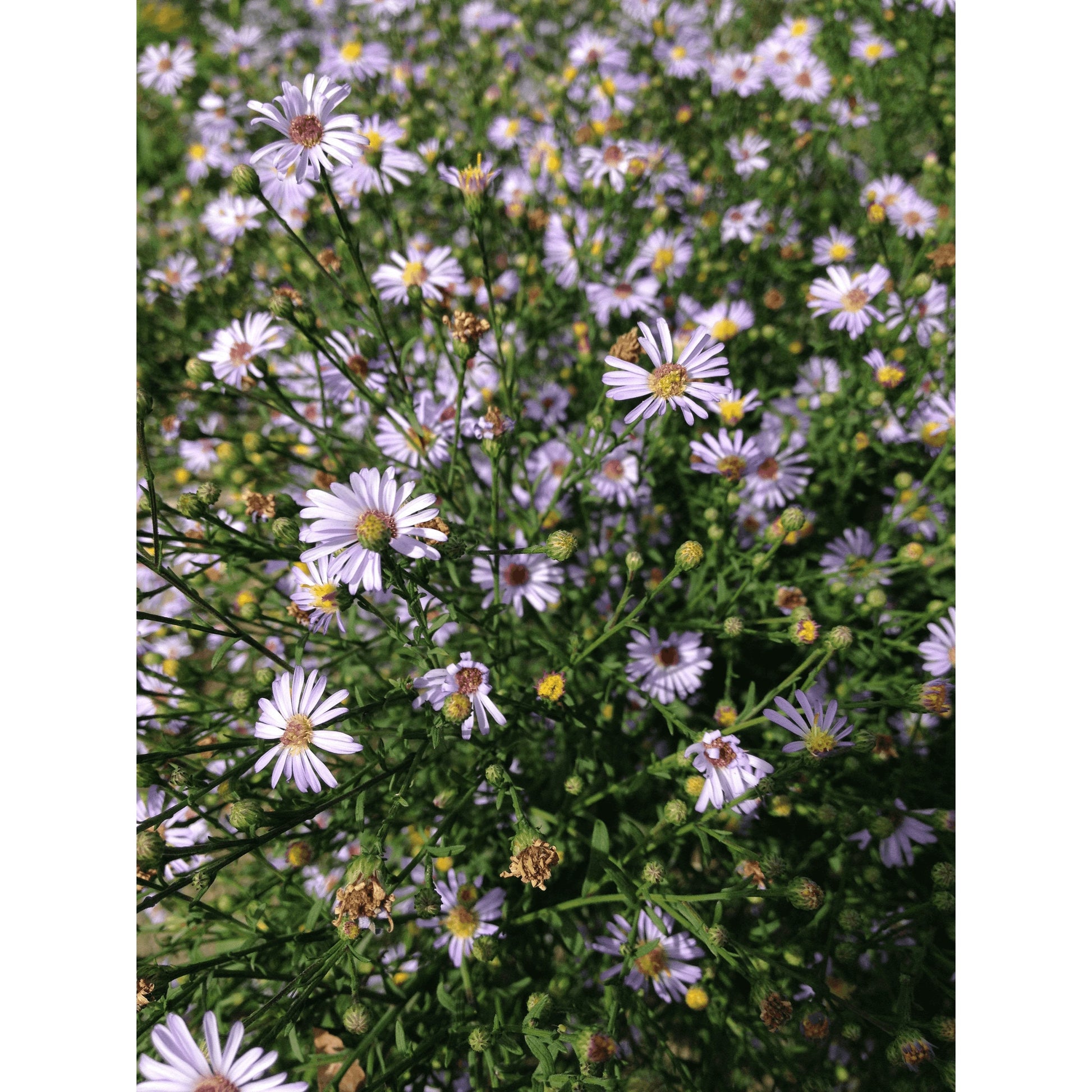
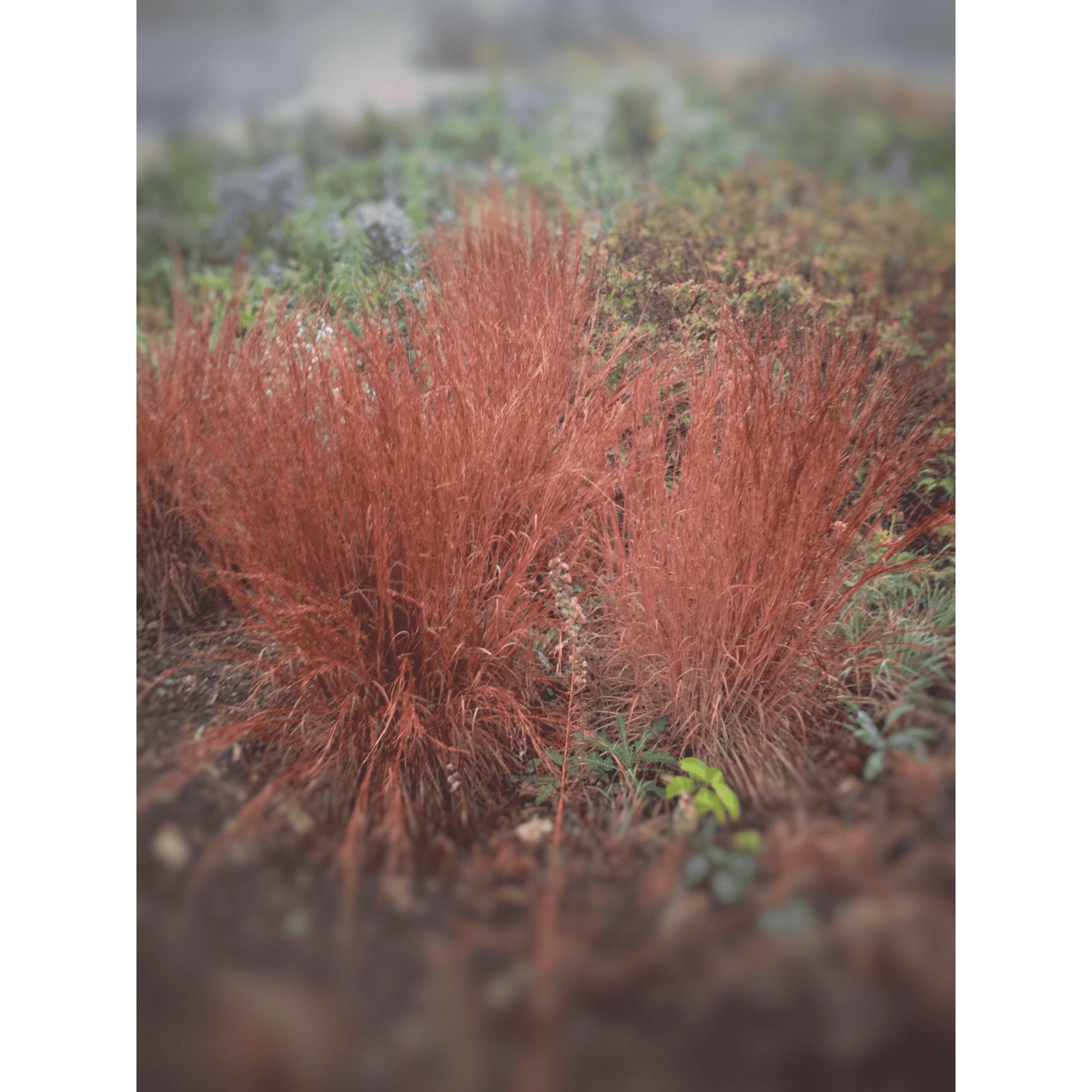
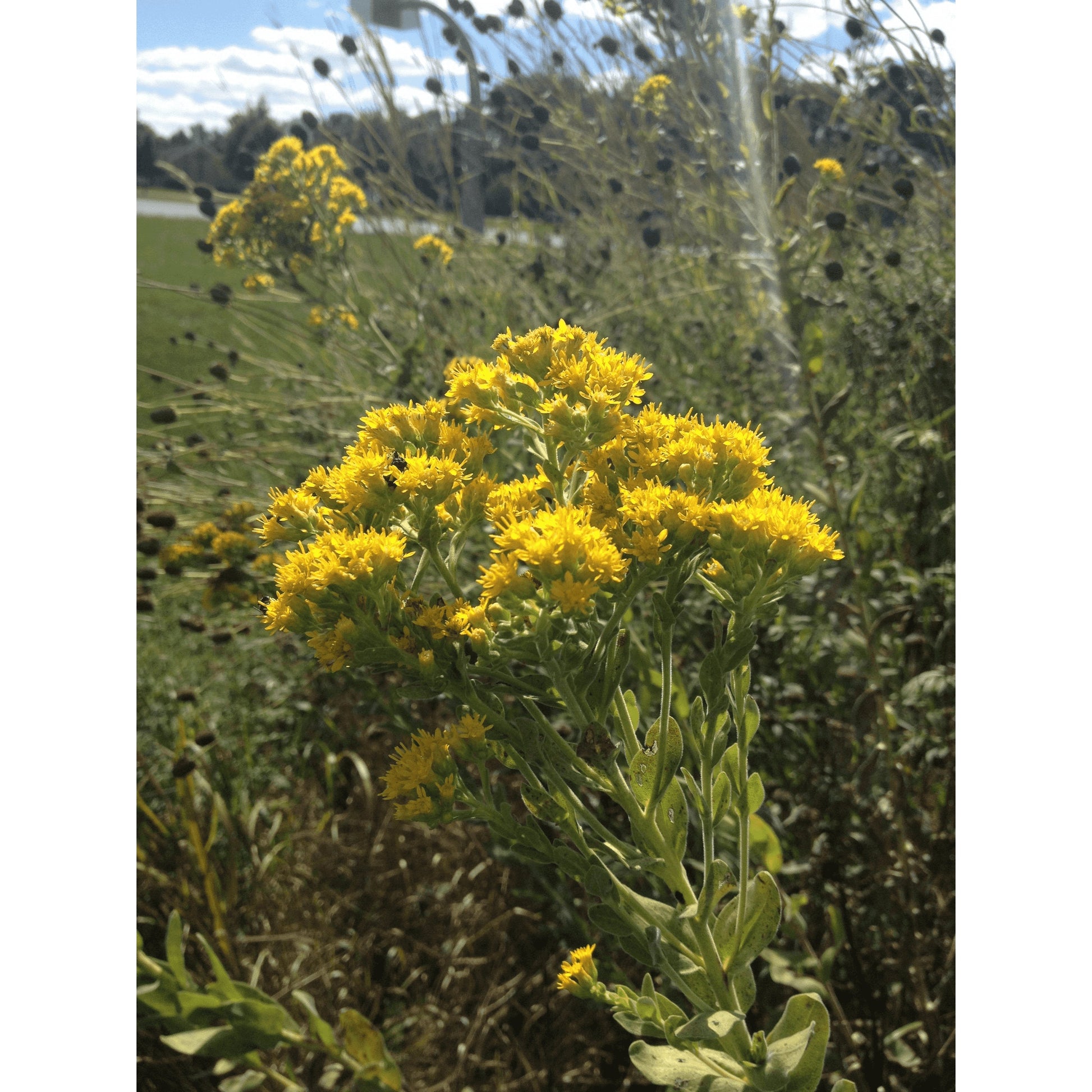
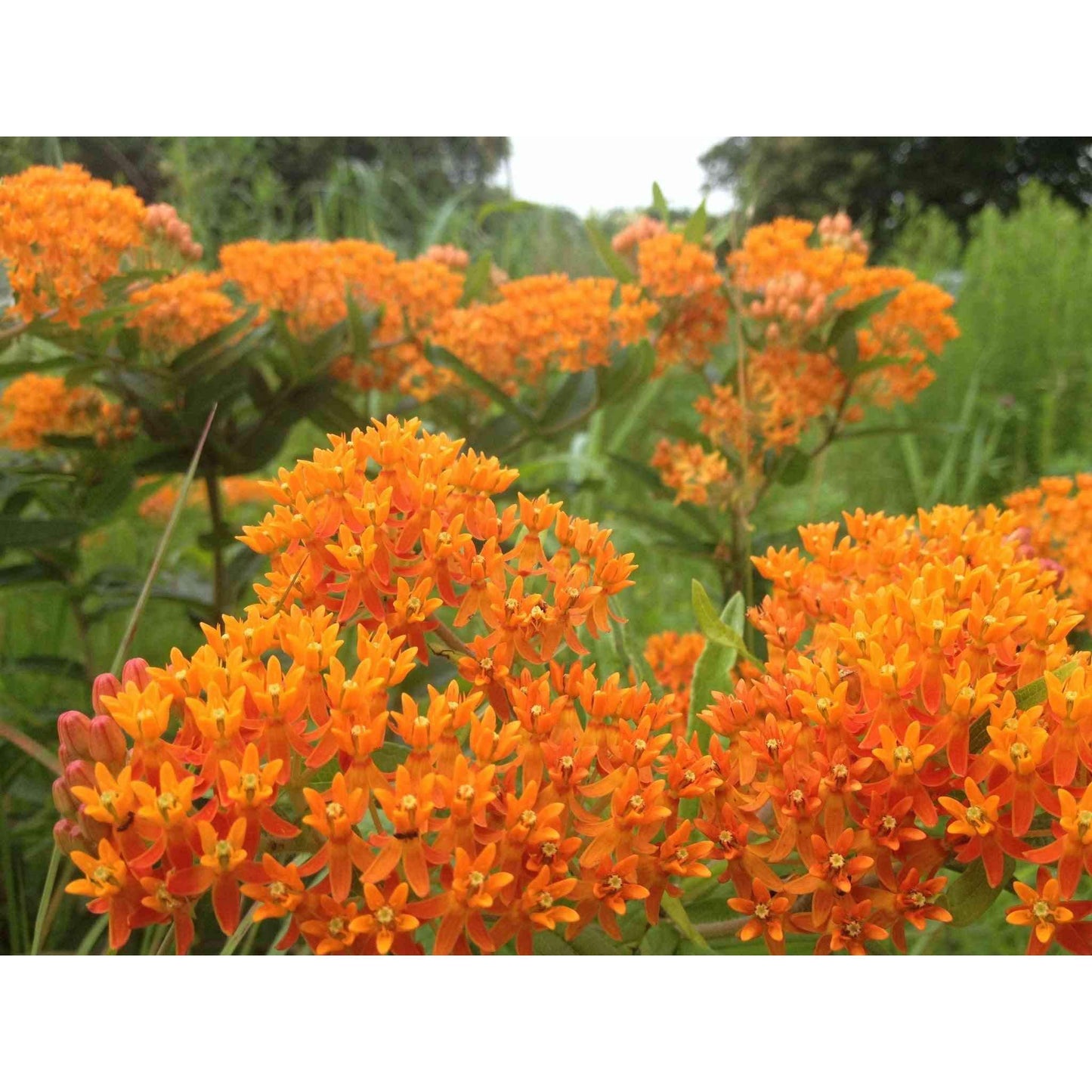
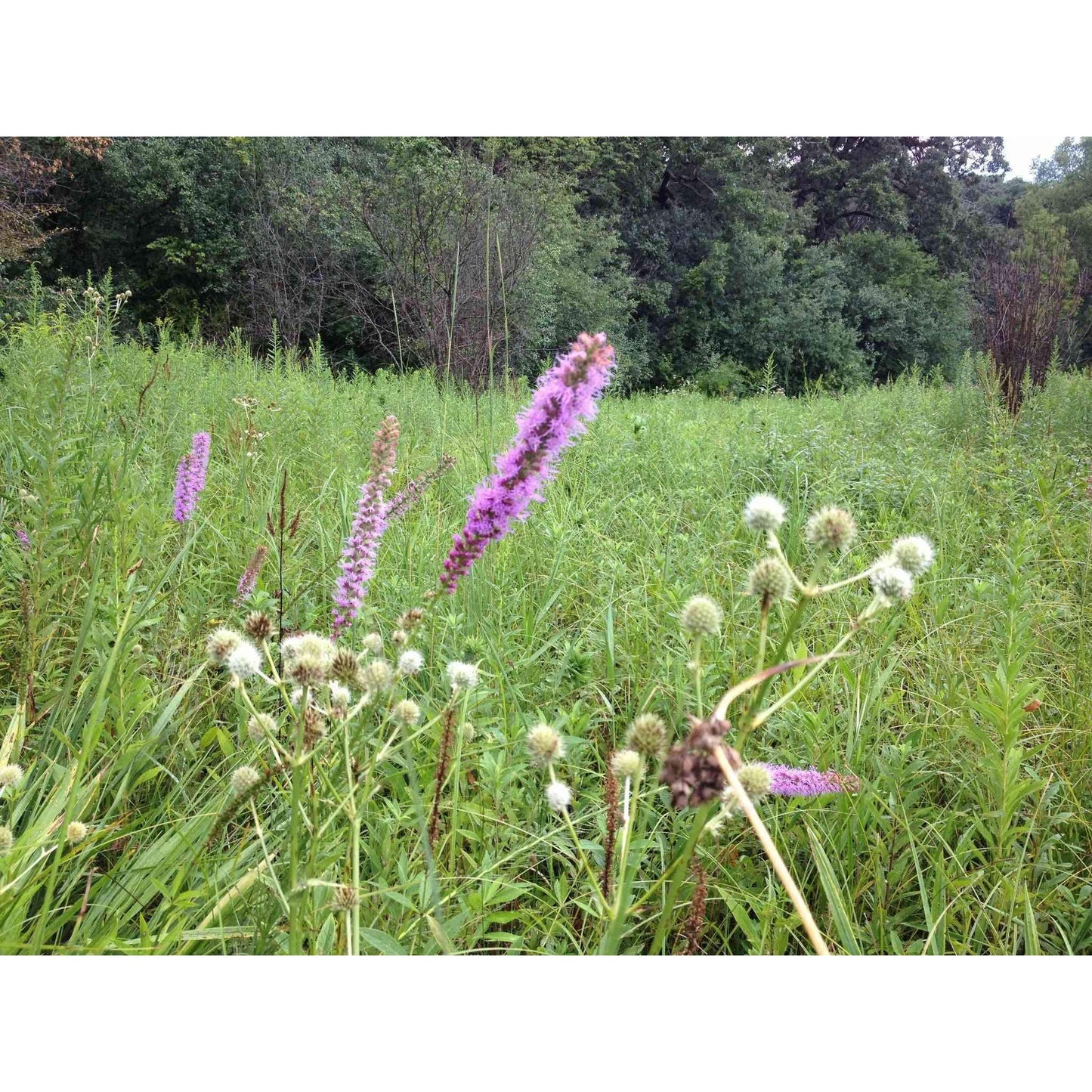
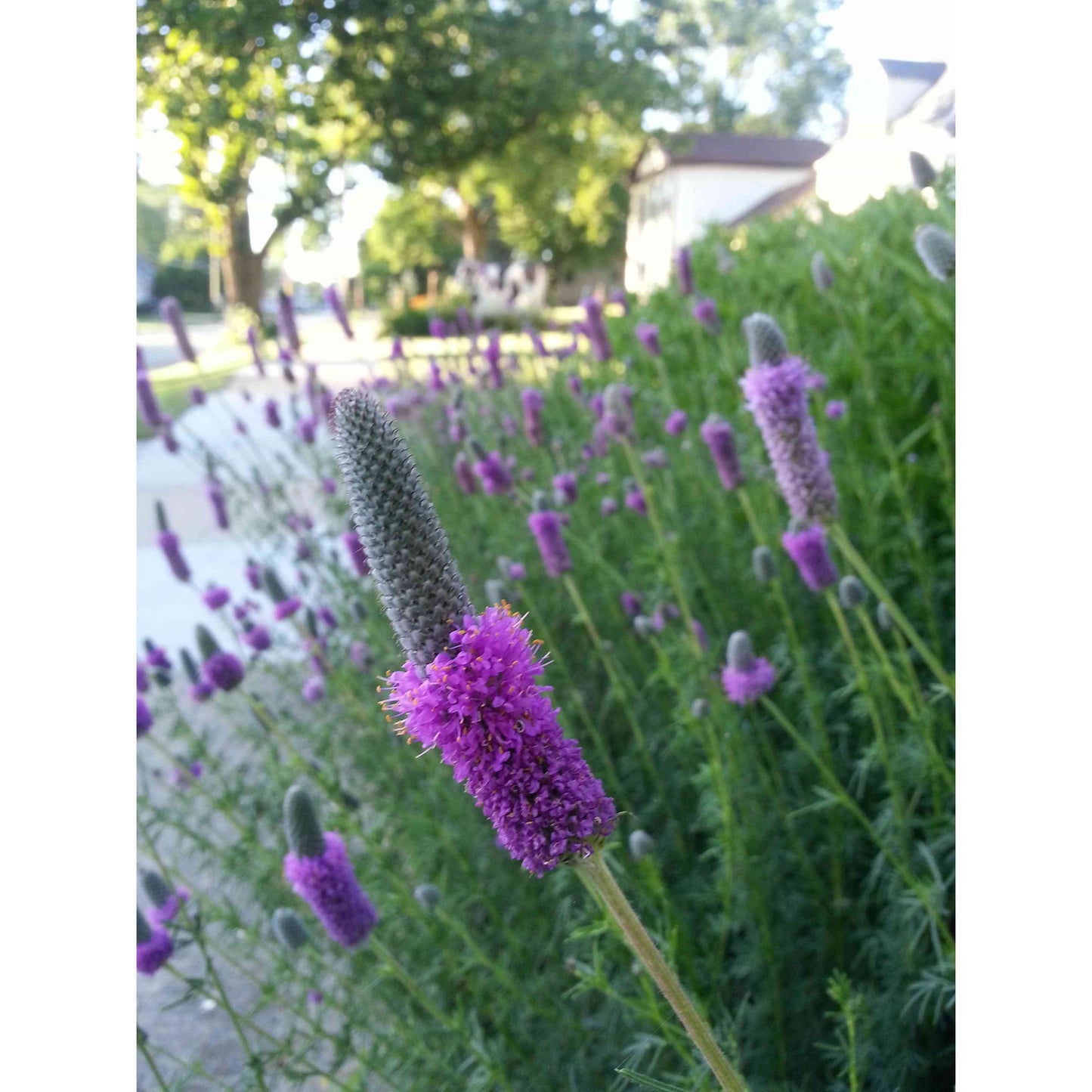
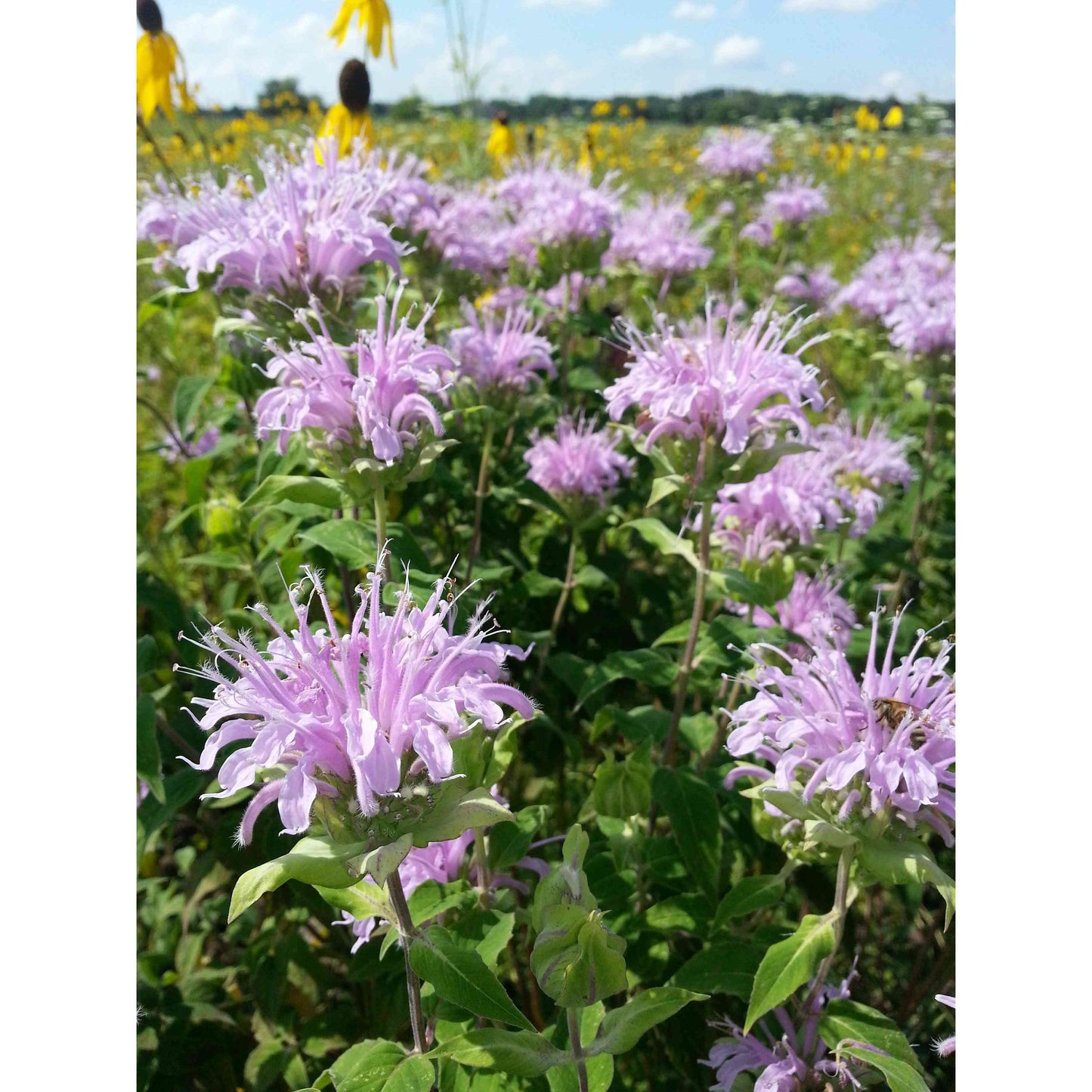
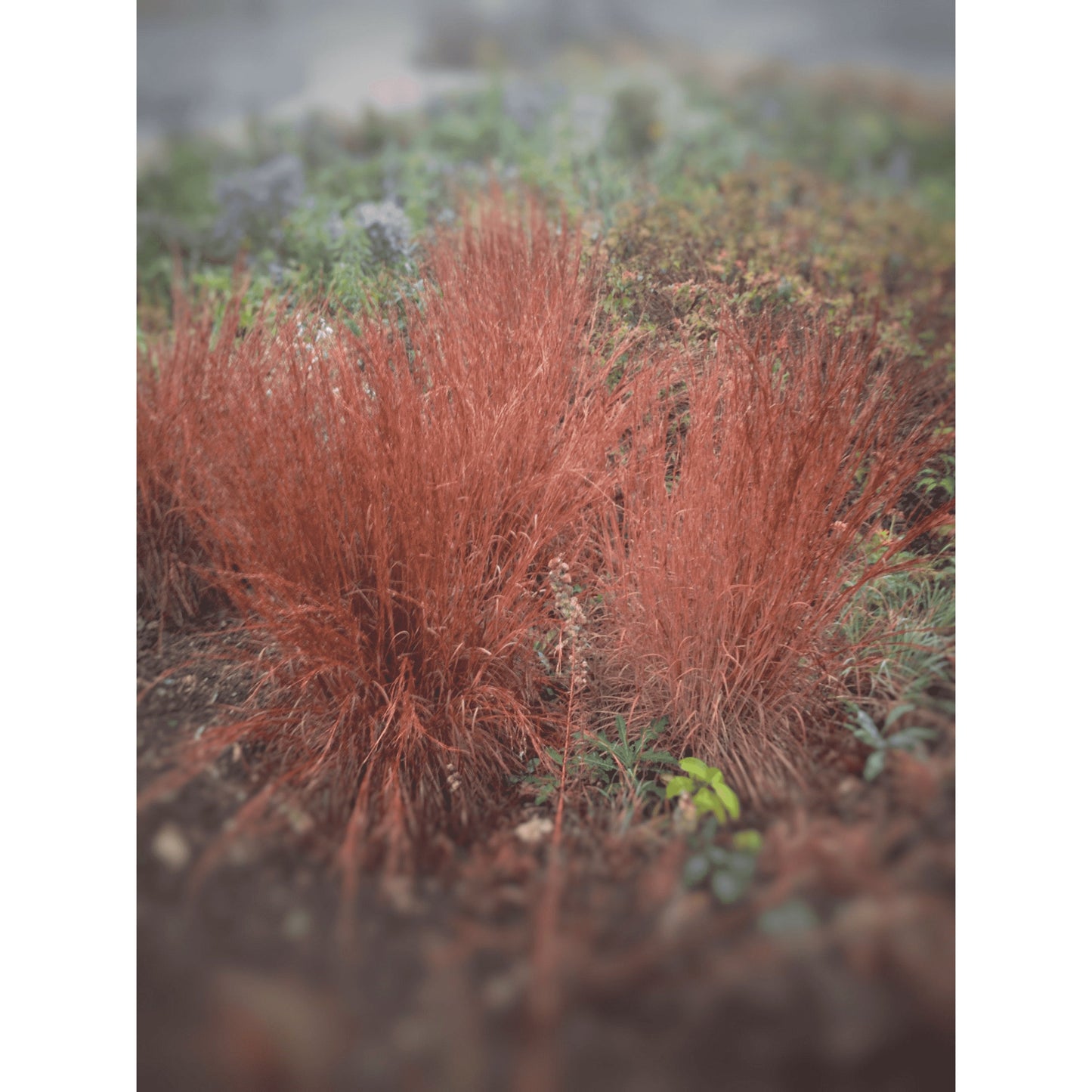
Little bluestem, sideoats grama and prairie dropseed form the grassy framework of this shorter prairie recipe. Butterfly milkweed, purple prairie clover and wild bergamot are among its flowering highlights, alongside the sedges and other wildflowers in the full ingredient list.
A range of flowers can broaden the food available to pollinators through the growing season, while grasses and sedges add complementary plant forms. Choose diversity that fits your soil, sunlight and desired mature height.
Prepare suitable ground, manage competing vegetation and give the planting time to establish. Match later additions to the site and the gaps that develop.
How many plants do you need?
Calculate plants & flatsEstimate quantities from your planting area and species-appropriate spacing, then round up to whole flats.
Eligible choices for this product:
- 1/2 Acre
- 1 Acre
Available
Subject to confirmation.
Couldn't load pickup availability
How much seed do you need?
Plan seed mix quantitiesEnter your planting area and the specified seeding rate for this mix.
Seed + Warrior Project Planner
Seed + Warrior Project Planner
Seed for broad coverage, plants for selected places
Start with a seed mix matched to the habitat. Its different species contribute ground cover, seasonal growth and food or shelter as the planting establishes. Suitable planted plugs can add structure or species that need more deliberate placement.
Match plant choices to light, soil moisture, flooding and drainage. Use the habitat-specific recommendations below, and apply any plug density only to the selected treatment areas. Seed and plants both need site preparation, competition control and follow-up care; planted additions do not replace the seed foundation.
Choose a seed mix on its product page to use its saved recommendations.
Edit these two numbers, then calculate.
Open a seed mix to start with its product and coverage selection.
Recommendation alignment is an editorial planning guide, not a success probability or a scientific seed-to-plug equivalence.
Plant roles, quantities & planning details
A suitable foundation seed mix provides broad coverage on prepared ground. In an existing planting, additional seed and targeted plugs can enrich suitable gaps. Place Warrior plugs intentionally in suitable microsites; the per-acre density applies only to the targeted treatment area, not an instruction to space plants evenly across the site.
Below 50% seed stays red; 50% to below 100% stays yellow. Extra diversity or plugs never offsets underseeding. For the full-diversity benchmark, a full-rate foundation starts light green, foundation + Expanded reaches its upper end, and a foundation with both add-ons starts the dark-green optimal zone. Maximum can be chosen with or without Expanded. The benchmark does not mean that every component is required for every site, and it does not assess existing vegetation. Verified, appropriate Warrior density raises alignment smoothly within the applicable diversity band. Extra seed above 100% adds no rating credit.
Flywheel Ecology: site investigation through ongoing monitoring
Read the current mix specification
Detailed seed quantities & custom-quote calculator
Seed Mix Specifications*
Seed Mix Specifications*
Seeding Rate: 8.14 lb/acre (65.7 seeds/square foot)
| Common Name | Scientific Name | % of Mix | Seeds/ft2 | Total | |||||||||
|
Grasses Sideoats Grama |
Bouteloua curtipendula | 30.72% | 5.5 | 2.500 PLS lb | |||||||||
| Little Bluestem | Schizachyrium scoparium | 30.72% | 13.8 | 2.500 PLS lb | |||||||||
| Prairie Dropseed | Sporobolus heterolepis | 1.54% | 0.7 | 0.125 PLS lb | |||||||||
|
Sedges & Rushes Plains Oval Sedge |
Carex brevior | 2.69% | 2.3 | 0.219 PLS lb | |||||||||
| Bicknell's Sedge | Carex bicknellii | 0.96% | 0.5 | 0.078 PLS lb | |||||||||
|
Forbs Anise Hyssop |
Agastache foeniculum | 1.23% | 3.3 | 0.100 PLS lb | |||||||||
| Nodding Onion | Allium cernuum | 1.34% | 0.3 | 0.109 PLS lb | |||||||||
| Butterfly Milkweed | Asclepias tuberosa | 0.77% | 0.1 | 0.063 PLS lb | |||||||||
| Canada Milkvetch | Astragalus canadensis | 1.54% | 0.8 | 0.125 PLS lb | |||||||||
| White Wild Indigo | Baptisia alba | 0.77% | 0.0 | 0.063 PLS lb | |||||||||
| Partridge Pea | Chamaecrista fasciculata | 3.07% | 0.2 | 0.250 PLS lb | |||||||||
| White Prairie Clover | Dalea candida | 1.15% | 0.7 | 0.094 PLS lb | |||||||||
| Purple Prairie Clover | Dalea purpurea | 2.50% | 1.3 | 0.203 PLS lb | |||||||||
| Purple Coneflower | Echinacea purpurea | 3.07% | 0.6 | 0.250 PLS lb | |||||||||
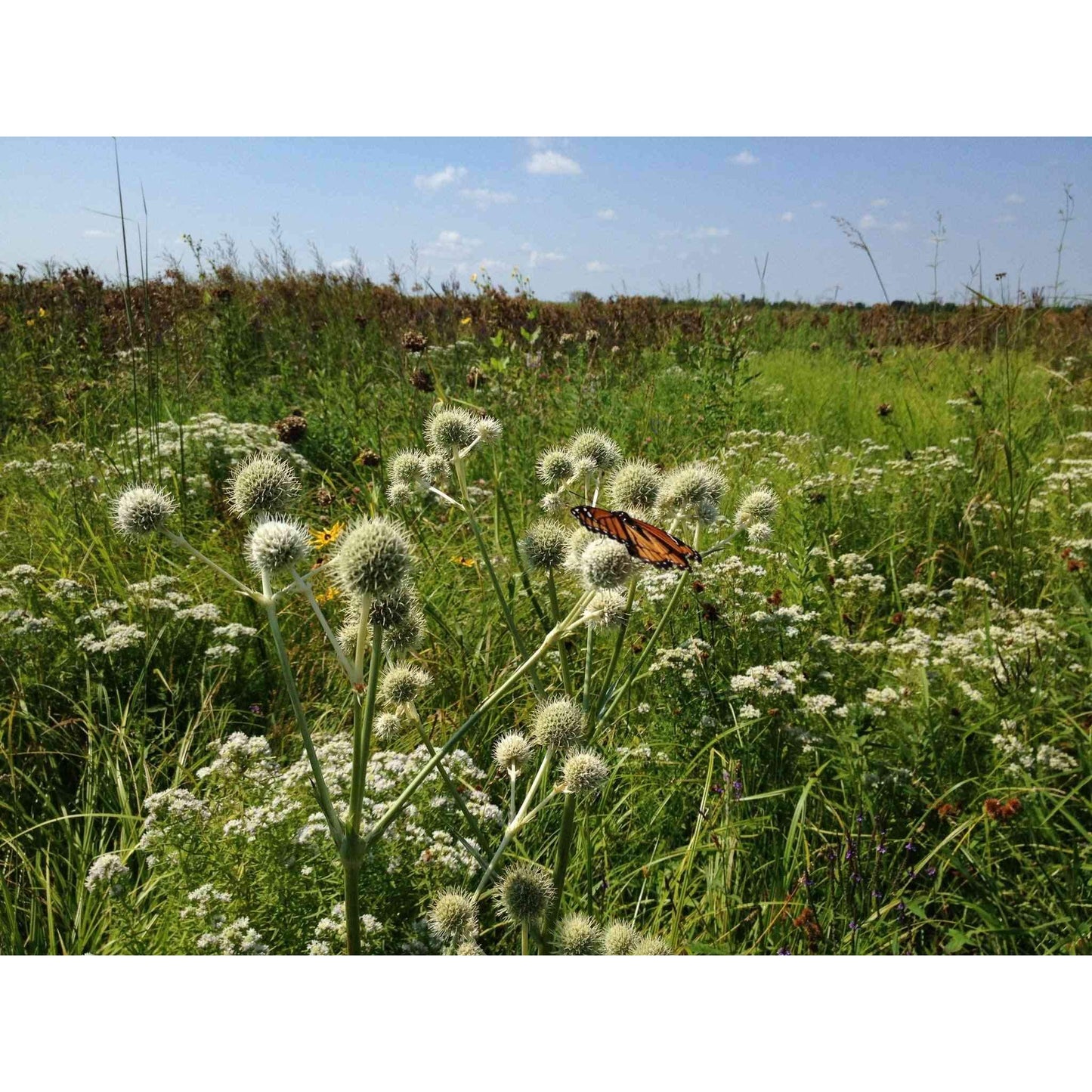
| Rattlesnake Master | Eryngium yuccifolium | 1.34% | 0.3 | 0.109 PLS lb | |||||||||
| Cream Gentian | Gentiana flavida | 0.58% | 2.4 | 0.047 PLS lb | |||||||||
| Round-headed Bush Clover | Lespedeza capitata | 0.77% | 0.2 | 0.063 PLS lb | |||||||||
| Meadow Blazing Star | Liatris ligulistylis | 0.49% | 0.1 | 0.040 PLS lb | |||||||||
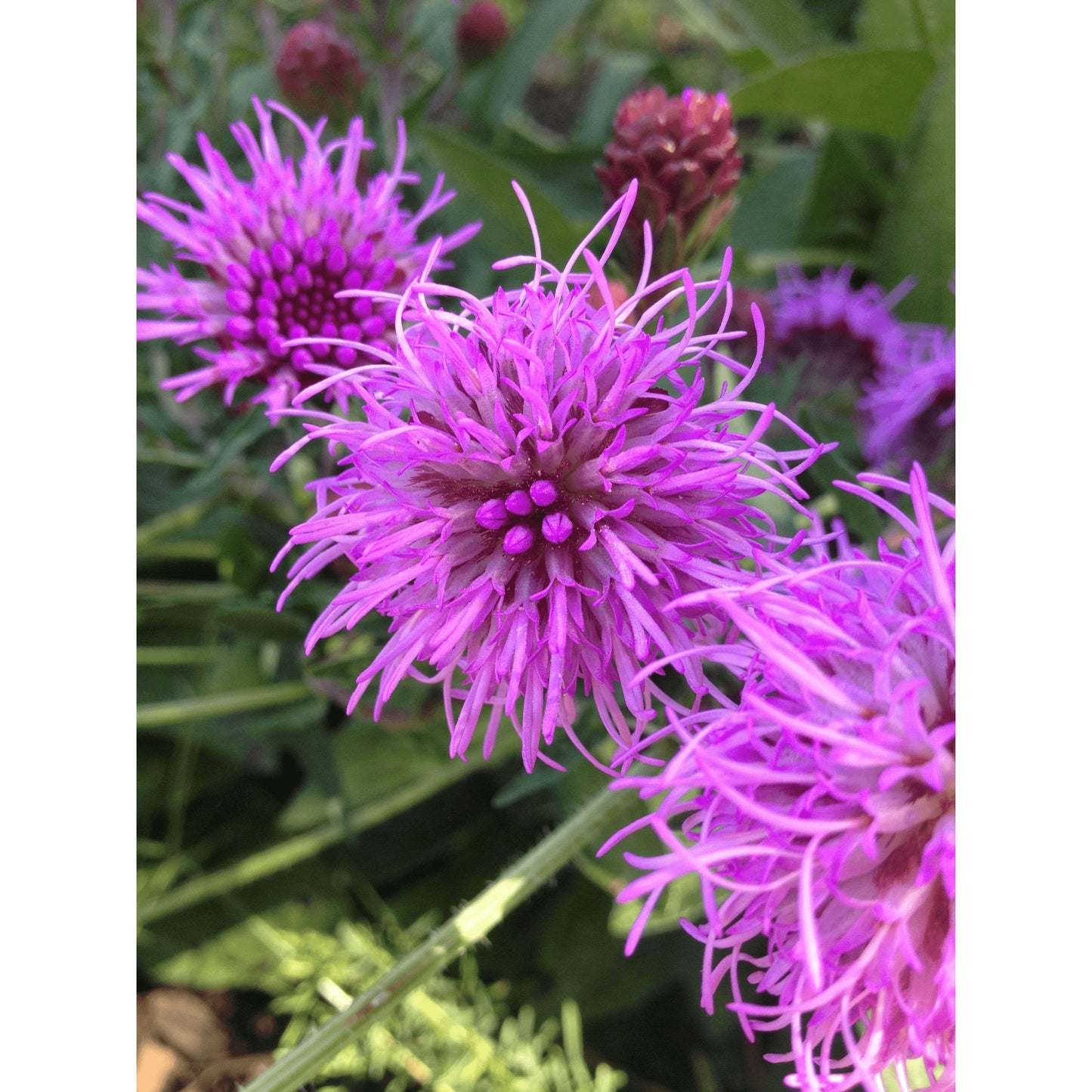
| Prairie Blazing Star | Liatris pycnostachya | 1.15% | 0.4 | 0.094 PLS lb | |||||||||
| Wild Bergamot | Monarda fistulosa | 1.15% | 2.4 | 0.094 PLS lb | |||||||||
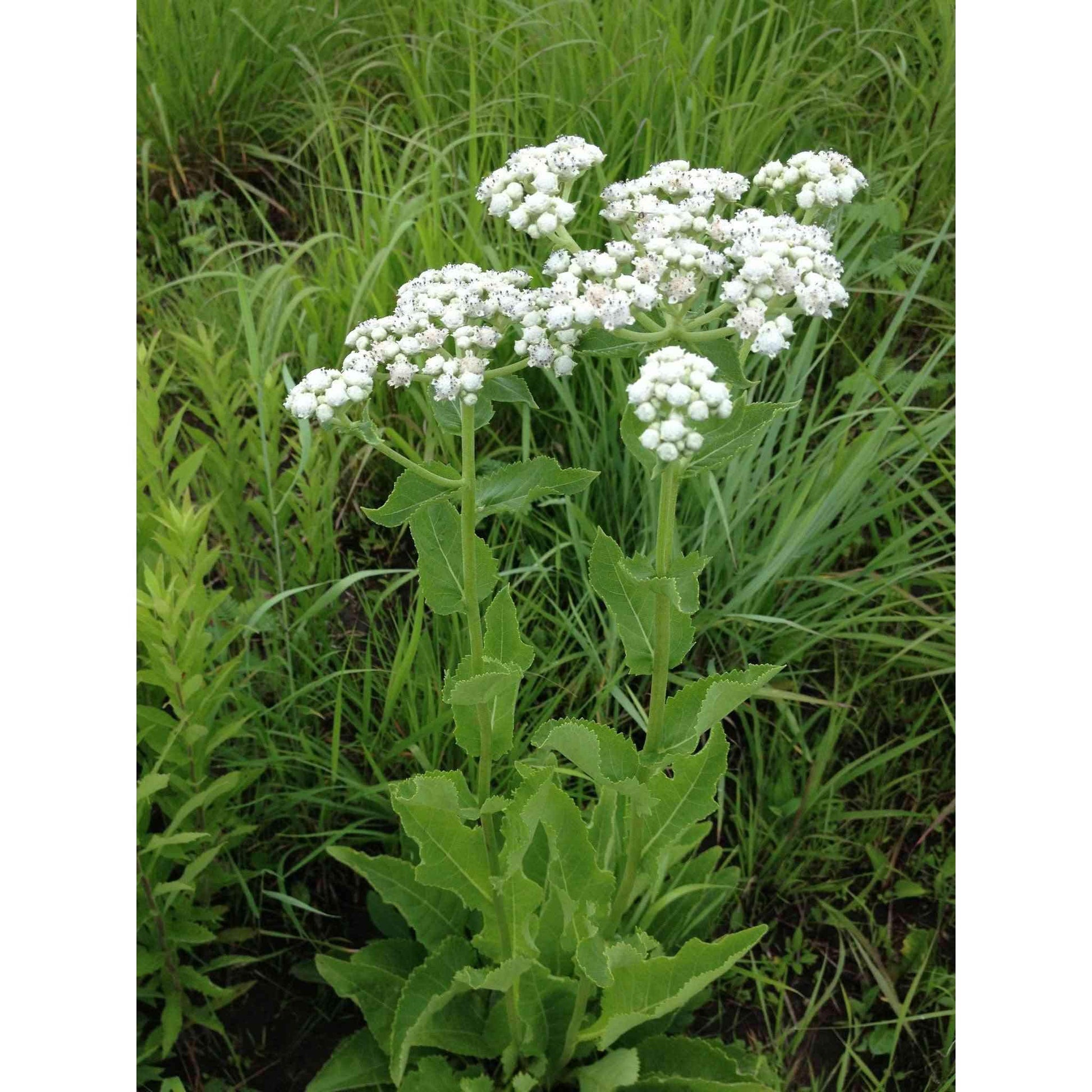
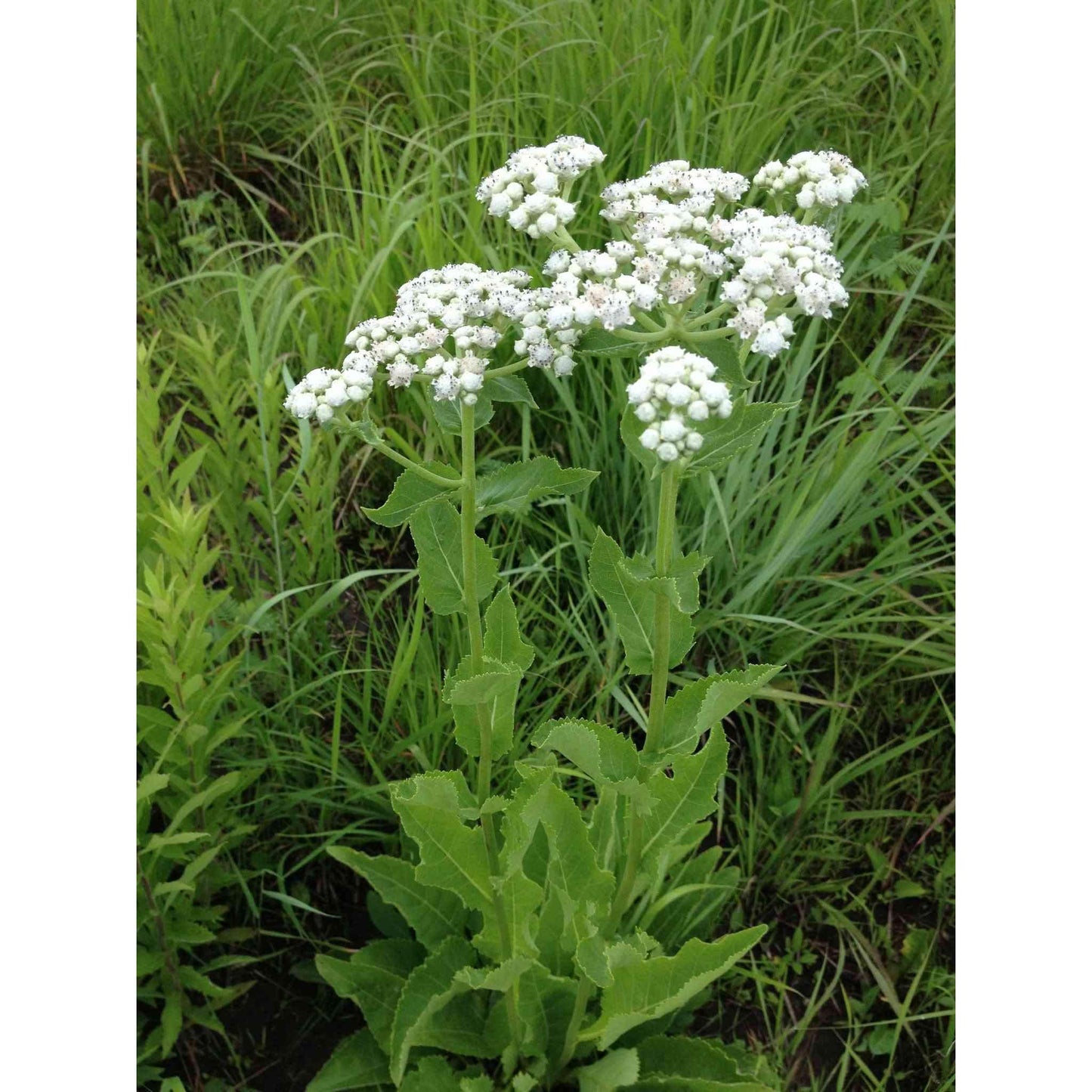
| Wild Quinine | Parthenium integrifolium | 3.07% | 0.6 | 0.250 PLS lb | |||||||||
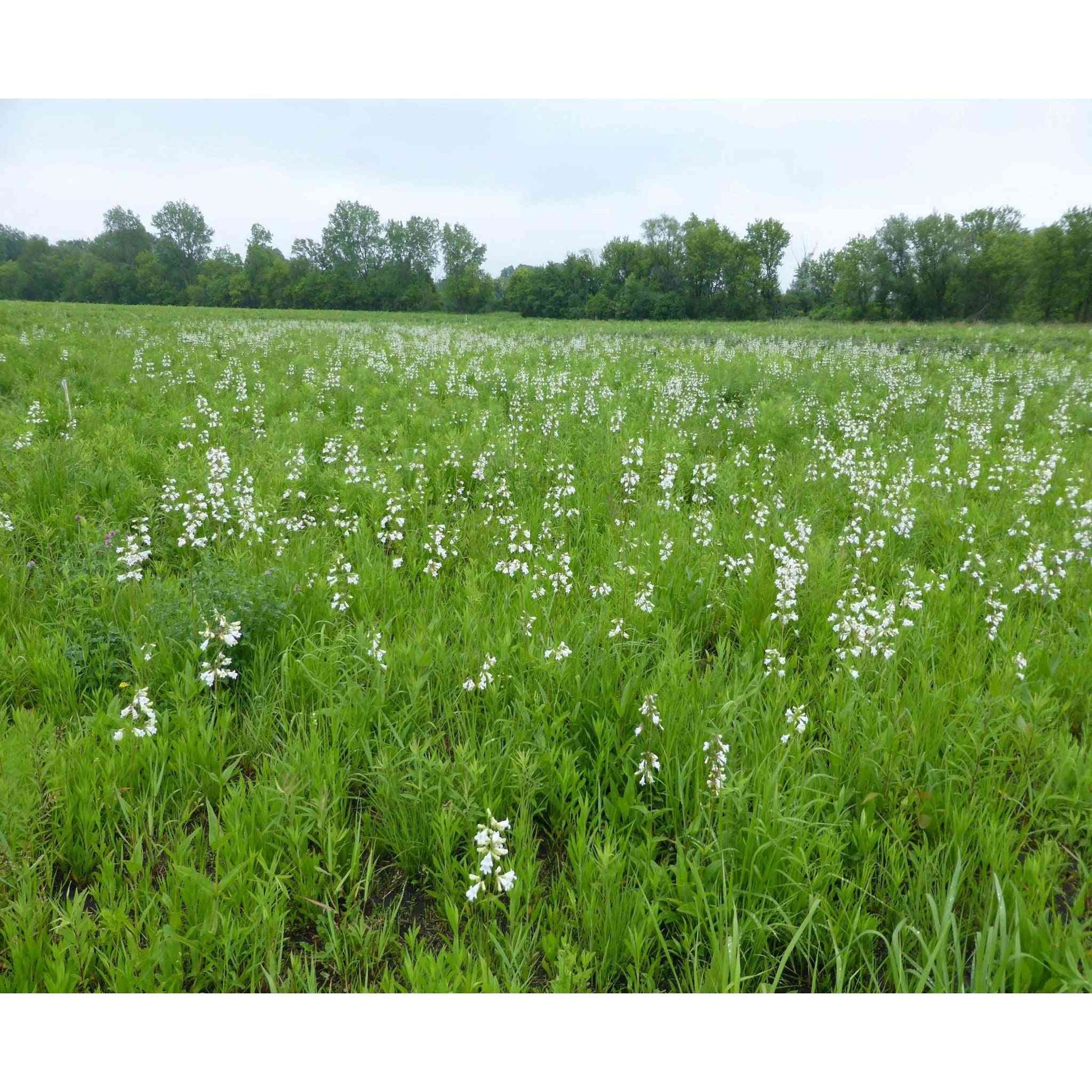
| Foxglove Beardtongue | Penstemon digitalis | 1.23% | 4.8 | 0.100 PLS lb | |||||||||
| Prairie Cinquefoil | Drymocallis arguta | 0.61% | 4.2 | 0.050 PLS lb | |||||||||
| Virginia Mountain Mint | Pycnanthemum virginianum | 0.19% | 1.3 | 0.016 PLS lb | |||||||||
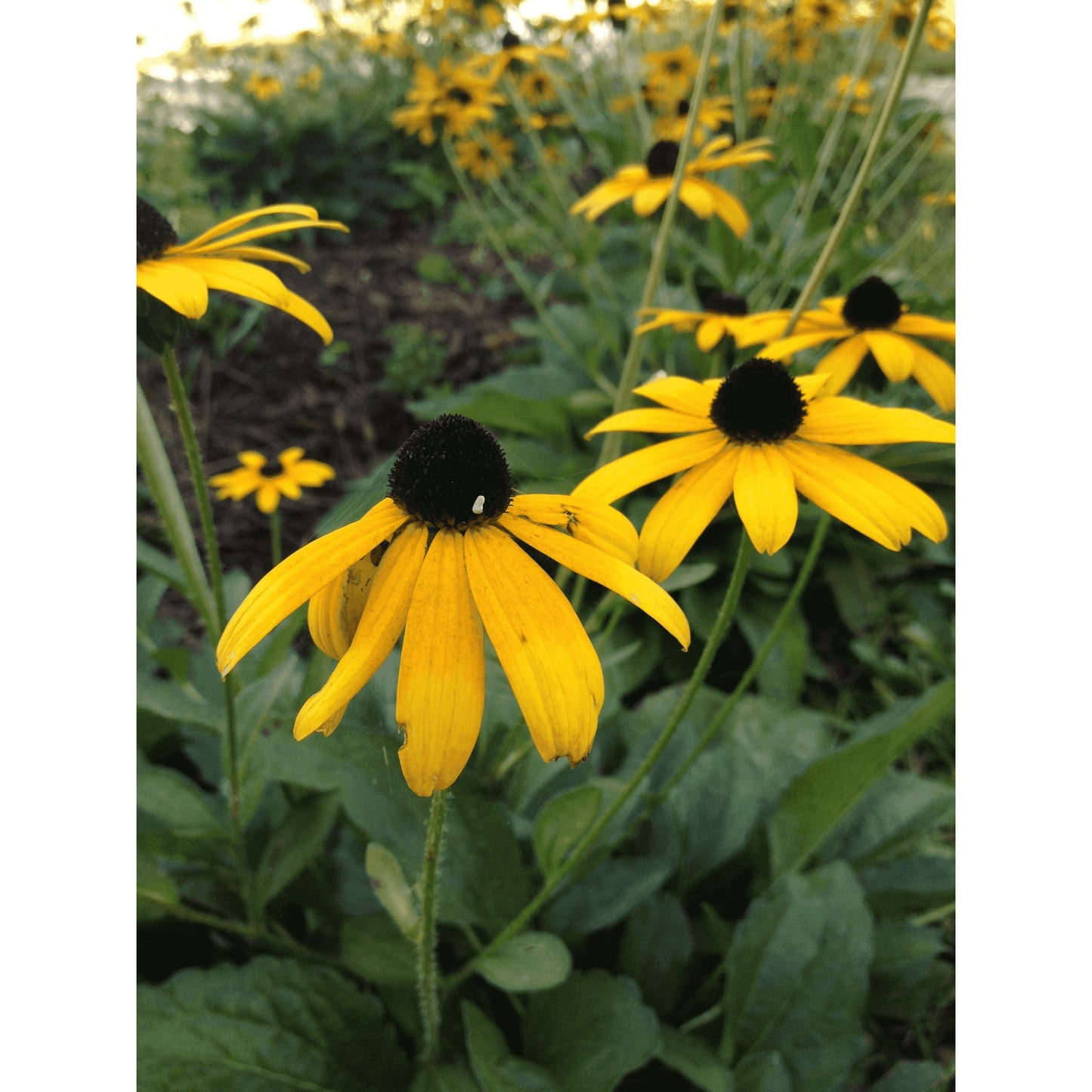
| Black-eyed Susan | Rudbeckia hirta | 3.07% | 8.4 | 0.250 PLS lb | |||||||||
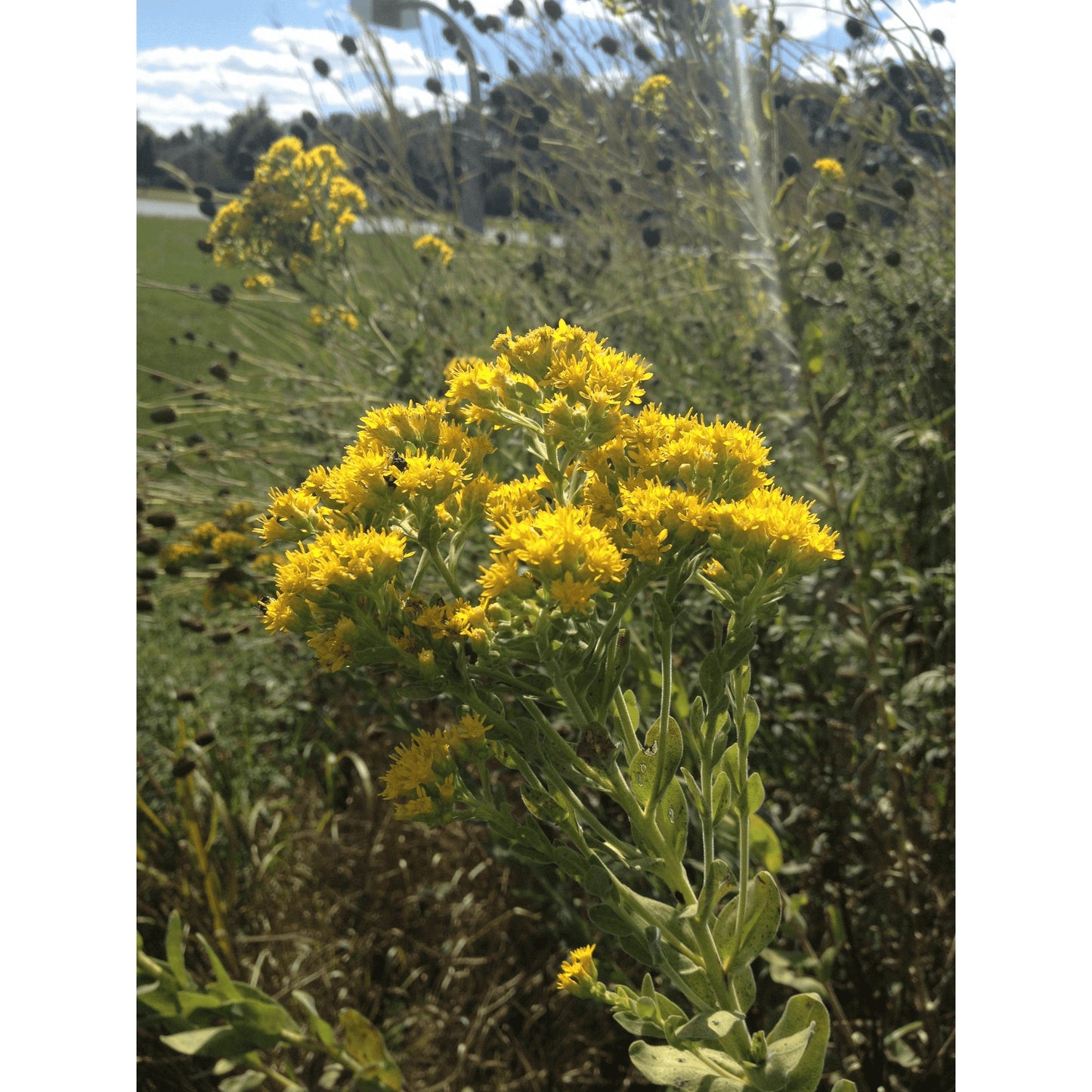
| Stiff Goldenrod | Solidago rigida | 1.54% | 1.9 | 0.125 PLS lb | |||||||||
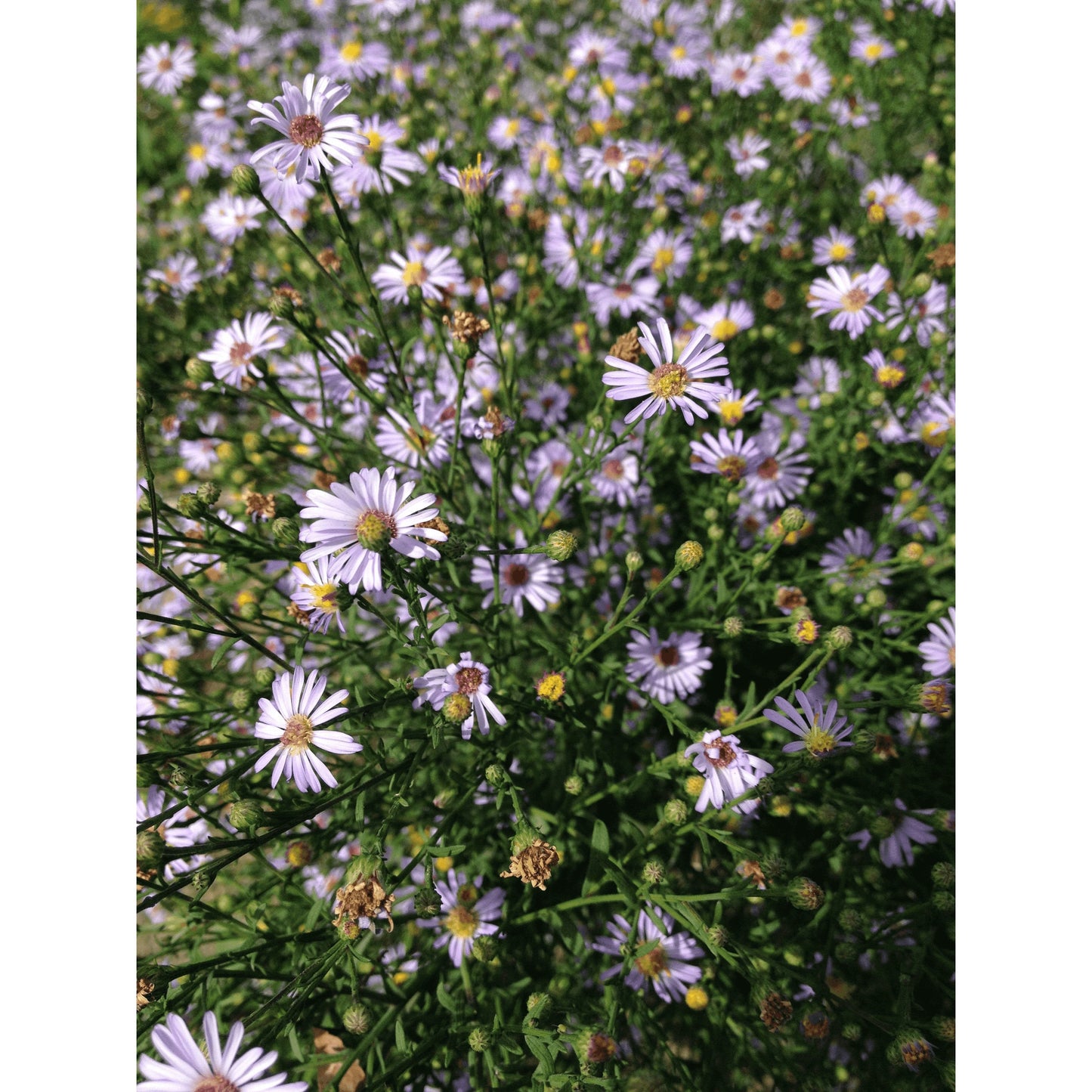
| Smooth Blue Aster | Symphyotrichum laeve | 0.77% | 1.3 | 0.063 PLS lb | |||||||||
| Sky Blue Aster | Symphyotrichum oolentangiense | 0.38% | 0.9 | 0.031 PLS lb | |||||||||
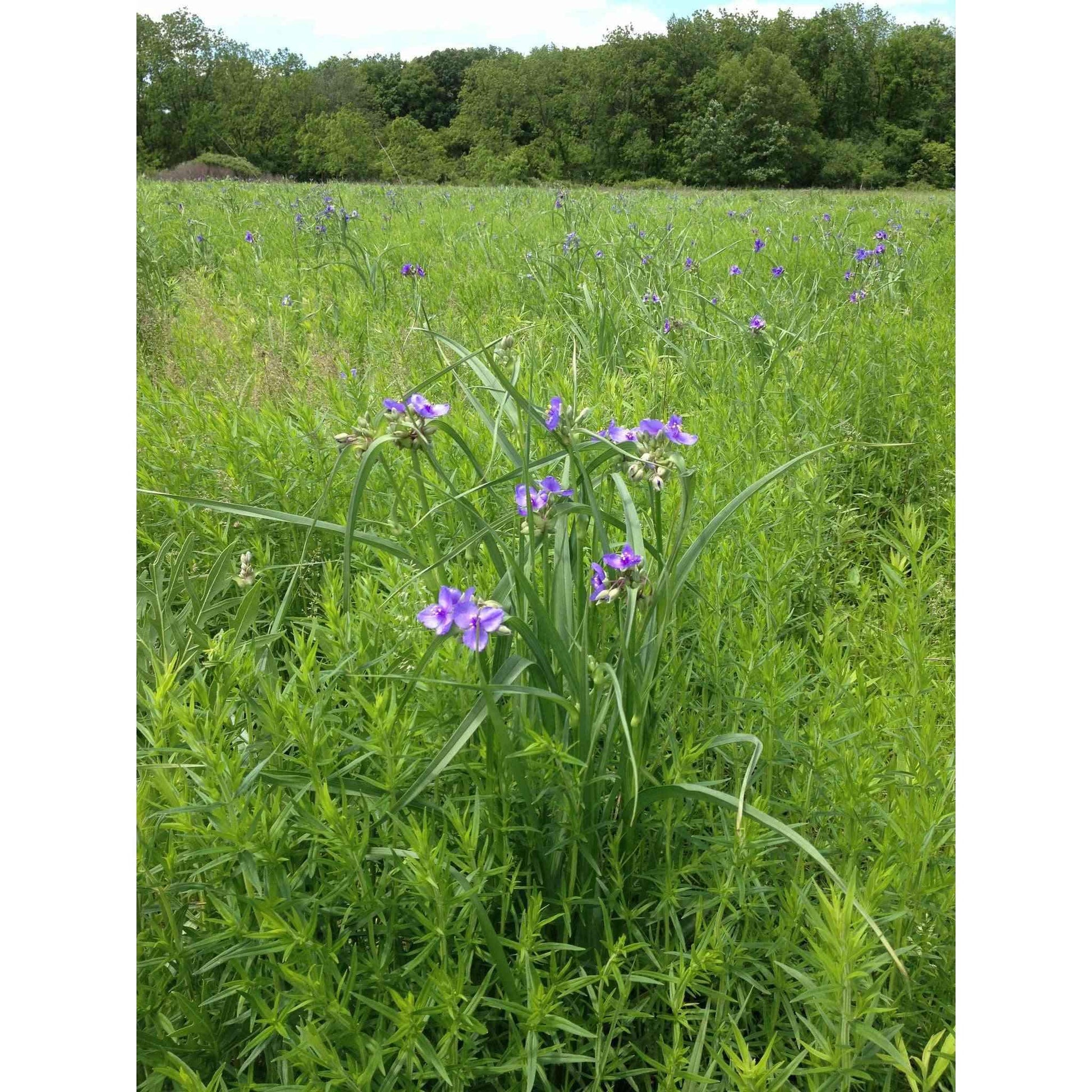
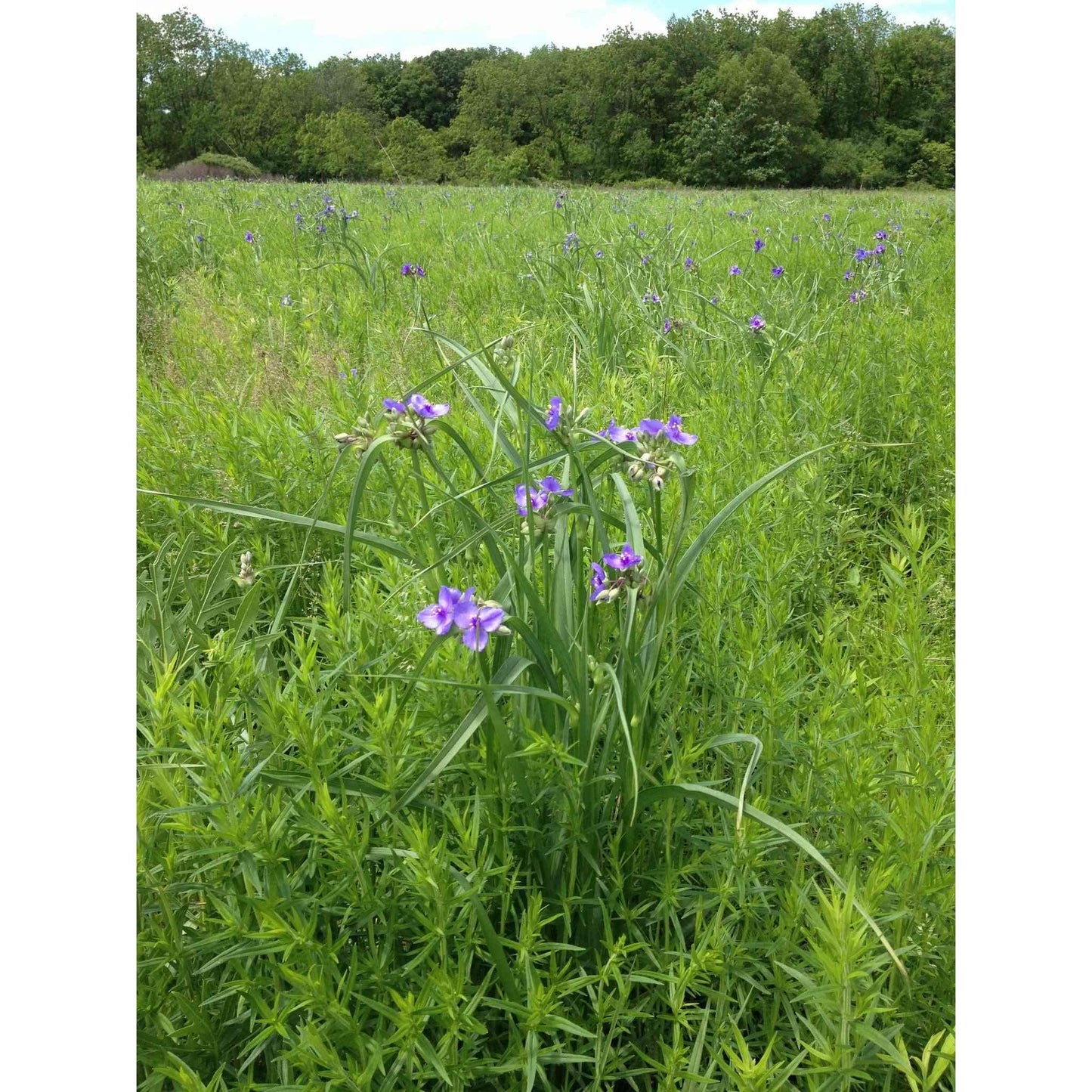
| Ohio Spiderwort | Tradescantia ohiensis | 0.58% | 0.1 | 0.047 PLS lb | |||||||||
| Culver's Root | Veronicastrum virginicum | 0.25% | 5.9 | 0.020 PLS lb | |||||||||
| Golden Alexanders | Zizia aurea | 0.77% | 0.3 | 0.063 PLS lb | |||||||||
Substitutions may be necessary based on availability at the time of order.
Pure Live Seed
Pure Live Seed
Seed is provided in Pure Live Seed (PLS) unless otherwise stated.
Pure Live Seed (PLS) expresses the viable seed content of a seed lot using its purity and germination or viability test results. It helps you compare seed lots and calculate how much bulk seed is needed to meet a specified PLS planting rate.
PLS weight and bag weight
PLS weight is not the same as the total weight of seed in a bag. For example, a lot with 80% purity and 75% viability contains 60% PLS: 80 × 75 ÷ 100 = 60. Supplying 10 lb PLS from that lot requires about 16.67 lb of bulk seed.
Use the current seed test and the stated basis of the mix specification. Germination calculations may include applicable hard or dormant seed. Seed-count estimates also require the number of seeds per pound; PLS alone does not provide a seed count.
What to check when buying a mix
Check whether each rate is stated in PLS pounds, bulk pounds, or a combination. A mix with both bases should not be described as having an all-PLS total.
PLS does not remove weed seeds or guarantee establishment. Review the seed label and analysis for weed content, and match site preparation, planting conditions and follow-up management to your project.
Sources: USDA NRCS, Understanding Pure Live Seed and The Importance of Seed Quality for Natural Resource Conservation.
Plant a shorter prairie with native wildflowers, grasses and sedges for normal to dry soils. This mix emphasizes a lower prairie structure and a range of flower colors and bloom periods in full sun to part sun.
An optional Virginia wild rye cover crop is sold separately. Choose a supplemental seeding rate appropriate to your site and permanent mix; the cover crop may temporarily increase planting height. Use the permanent mix as a foundation and add seed or plugs in later years where more diversity is needed.
Site conditions
Light: Full sun to part sun.
Soil moisture: Normal to dry soils.
Coverage sizes and specifications
Looking for a smaller 1,000 sq ft mix or more diversity options? Explore our newer Shorter-Grass Native Prairie Seed Mix, developed with a regional focus on southern Wisconsin, northern Illinois, northwestern Indiana and southwestern Michigan. Regional species focus does not guarantee local seed-lot genetics. This original mix remains available below in 1/2 Acre and 1 Acre sizes.
Choose 1/2 Acre or 1 Acre for this original mix. For smaller plantings, see our 1,000 sq ft Seed Mixes.
The published specification lists 31 species and estimates 65.7 seeds per square foot at the published rate of 8.14 lb pure live seed (PLS) per acre.
| Package size | Planting area | PLS equivalent |
|---|---|---|
| 1/2 Acre | 21,780 sq ft | 4.070 lb PLS |
| 1 Acre | 43,560 sq ft | 8.14 lb PLS |
PLS expresses viable seed content, not the gross weight of a bag or its shipping weight. Actual packaged seed weight depends on the seed lot's purity and germination. Coverage is calculated from the published seeding rate; it is not a guarantee of establishment. Species and proportions may change with availability; consult the current lot label and mix specification.
Compare site conditions in our Small-Area Native Seed Mixes collection.
Blend ingredients
The following ingredients are listed in the published mix specification. Confirm the current formulation before ordering. Listed proportions follow the source and are not a claim about percentage by seed count.
| Species | Published proportion |
|---|---|
| Bouteloua curtipendula | 30.72% |
| Schizachyrium scoparium | 30.72% |
| Sporobolus heterolepis | 1.54% |
| Carex brevior | 2.69% |
| Carex bicknellii | 0.96% |
| Agastache foeniculum | 1.23% |
| Allium cernuum | 1.34% |
| Asclepias tuberosa | 0.77% |
| Astragalus canadensis | 1.54% |
| Baptisia alba | 0.77% |
| Chamaecrista fasciculata | 3.07% |
| Dalea candida | 1.15% |
| Dalea purpurea | 2.50% |
| Echinacea purpurea | 3.07% |
| Eryngium yuccifolium | 1.34% |
| Gentiana flavida | 0.58% |
| Lespedeza capitata | 0.77% |
| Liatris ligulistylis | 0.49% |
| Liatris pycnostachya | 1.15% |
| Monarda fistulosa | 1.15% |
| Parthenium integrifolium | 3.07% |
| Penstemon digitalis | 1.23% |
| Drymocallis arguta | 0.61% |
| Pycnanthemum virginianum | 0.19% |
| Rudbeckia hirta | 3.07% |
| Solidago rigida | 1.54% |
| Symphyotrichum laeve | 0.77% |
| Symphyotrichum oolentangiense | 0.38% |
| Tradescantia ohiensis | 0.58% |
| Veronicastrum virginicum | 0.25% |
| Zizia aurea | 0.77% |
Planting and establishment
Prepare the site and manage existing weeds before seeding. Germination requirements vary among the ingredients. Some native species benefit from cold, moist conditions; follow the mix-specific sowing guidance rather than treating every ingredient the same. For background, read native seed stratification guidance.
Ordering details
Available sizes: 1/2 Acre; 1 Acre. Select your coverage size above.
Species substitutions may be made based on availability. Confirm the current formulation and seed-quality basis if your project requires an exact specification. All seed sales are final and cannot be returned.
Establishing diversity and enriching later
Establishing diversity and enriching later
Include your preferred site-appropriate diversity when the new seedbed is prepared whenever practical. As the prairie develops, use additional seed or plugs to fill observed gaps in species or bloom. Later additions need openings, seed-to-soil contact and management of surrounding competition.
Make your restoration budget go further
Approved Stewardship Circle participants receive 25% off retail native plants and seed. Conservation professionals, volunteers, and members or supporters of qualifying conservation organizations can apply. There is no program membership fee.
Your involvement with a land trust or conservation organization may qualify you. Check eligibility and submit proof with your application. Approval is required; organization membership does not automatically activate the discount.
Shipping & Care
Shipping & Care
Seed ships all year and typically ships within a week of an order being placed.
We have attempted to put together some basic information regarding native seed installation, establishment, and maintenance. We hope you find it helpful. If you need further assistance on native seed establishment, please schedule a free consolation call here.
Consultation Services
Ecosystem Restoration Considerations
Native Seed Establishment Best Management Practices
Native Seed Stratification Best Management Practices
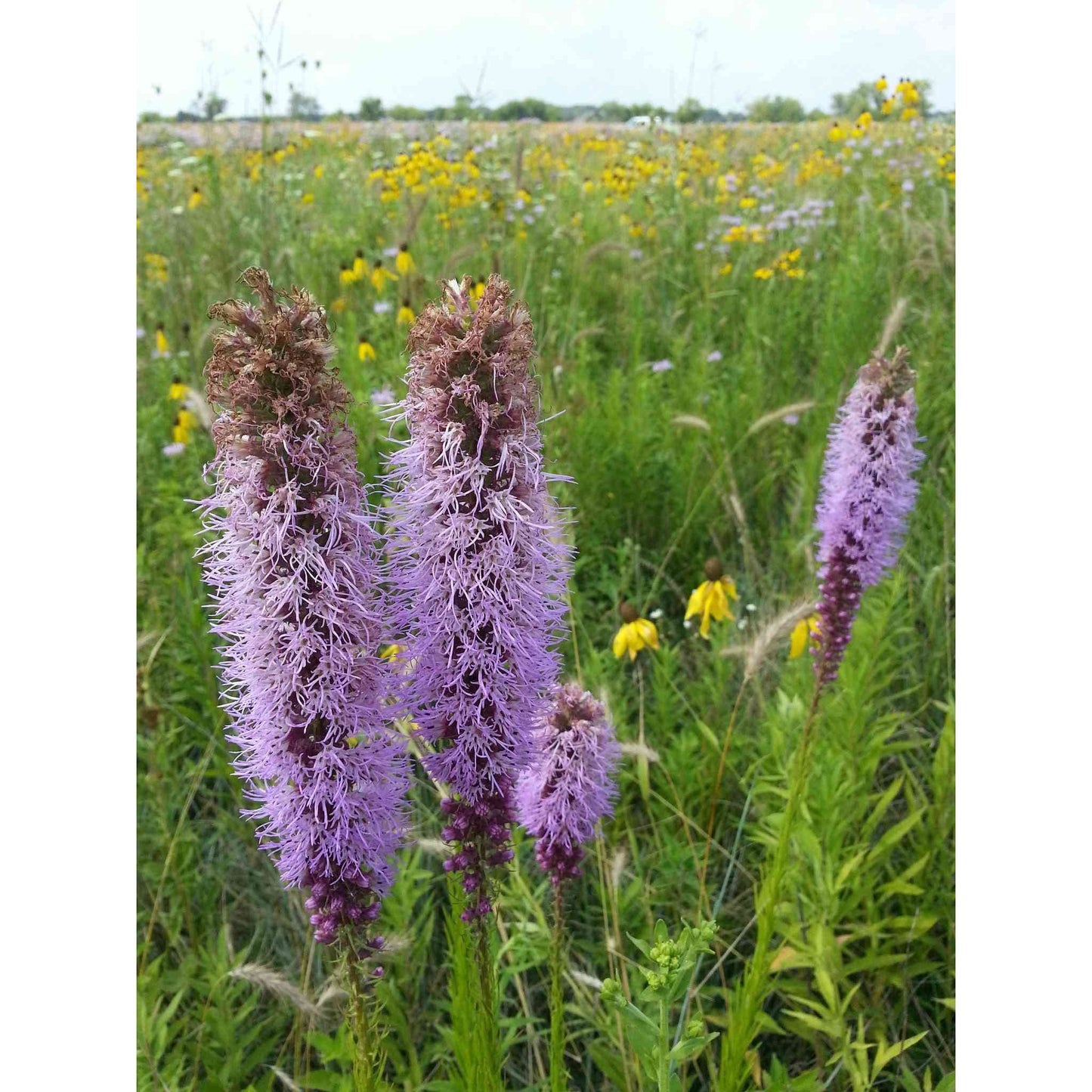
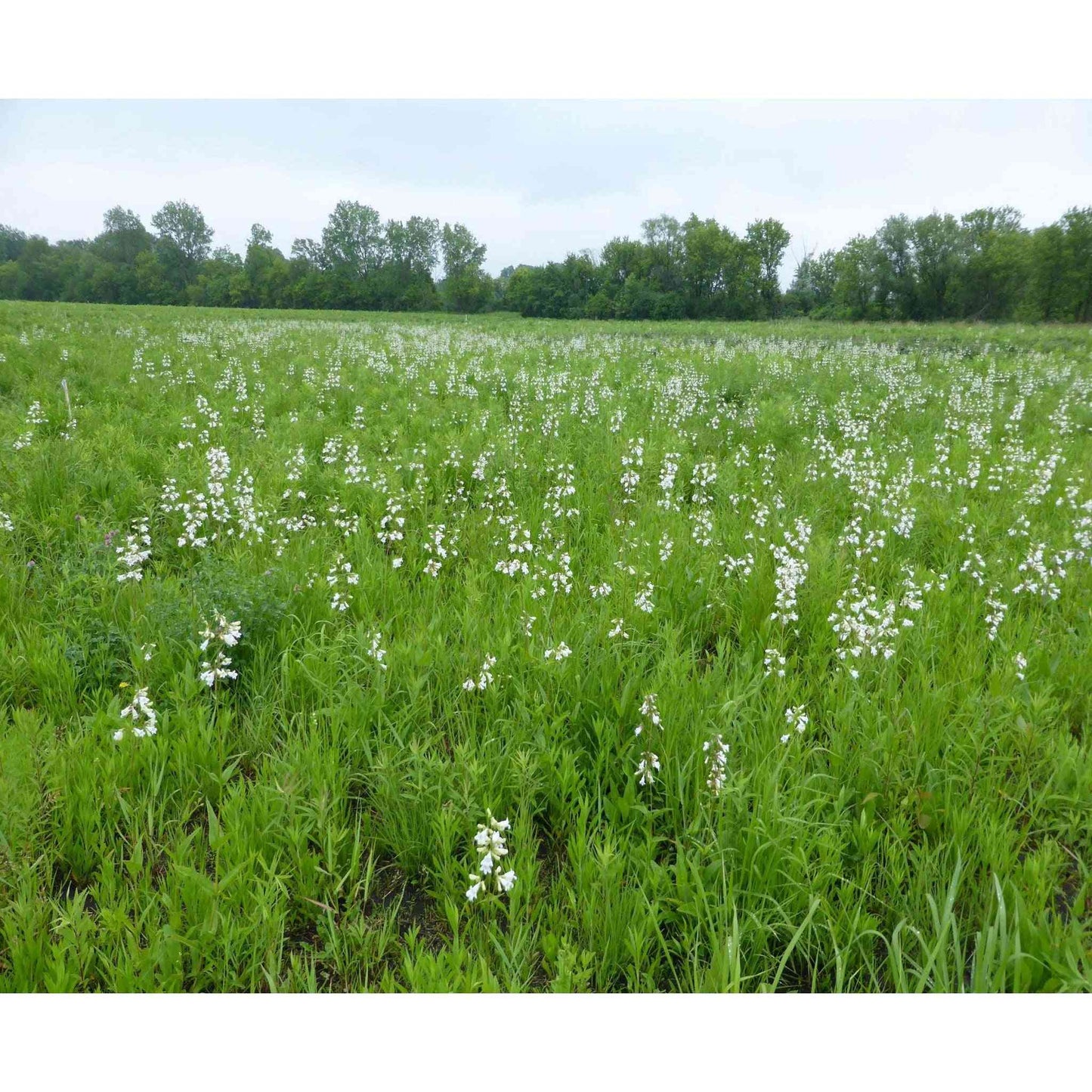
Solving a Site Problem? Get Expert Advice + Get Store Credit
Whether you're fighting severe erosion, replacing invasive species, designing a pollinator haven, or seeding large acreage, choosing the wrong species wastes time and money. Talk 1-on-1 with a restoration ecologist to map out the exact species, plug counts, or seed mixes for your soil and goals. Book a consultation and get all or a portion credited directly back to your order.