
Emergent Wetland Native Seed Mix
Emergent Wetland Native Seed Mix
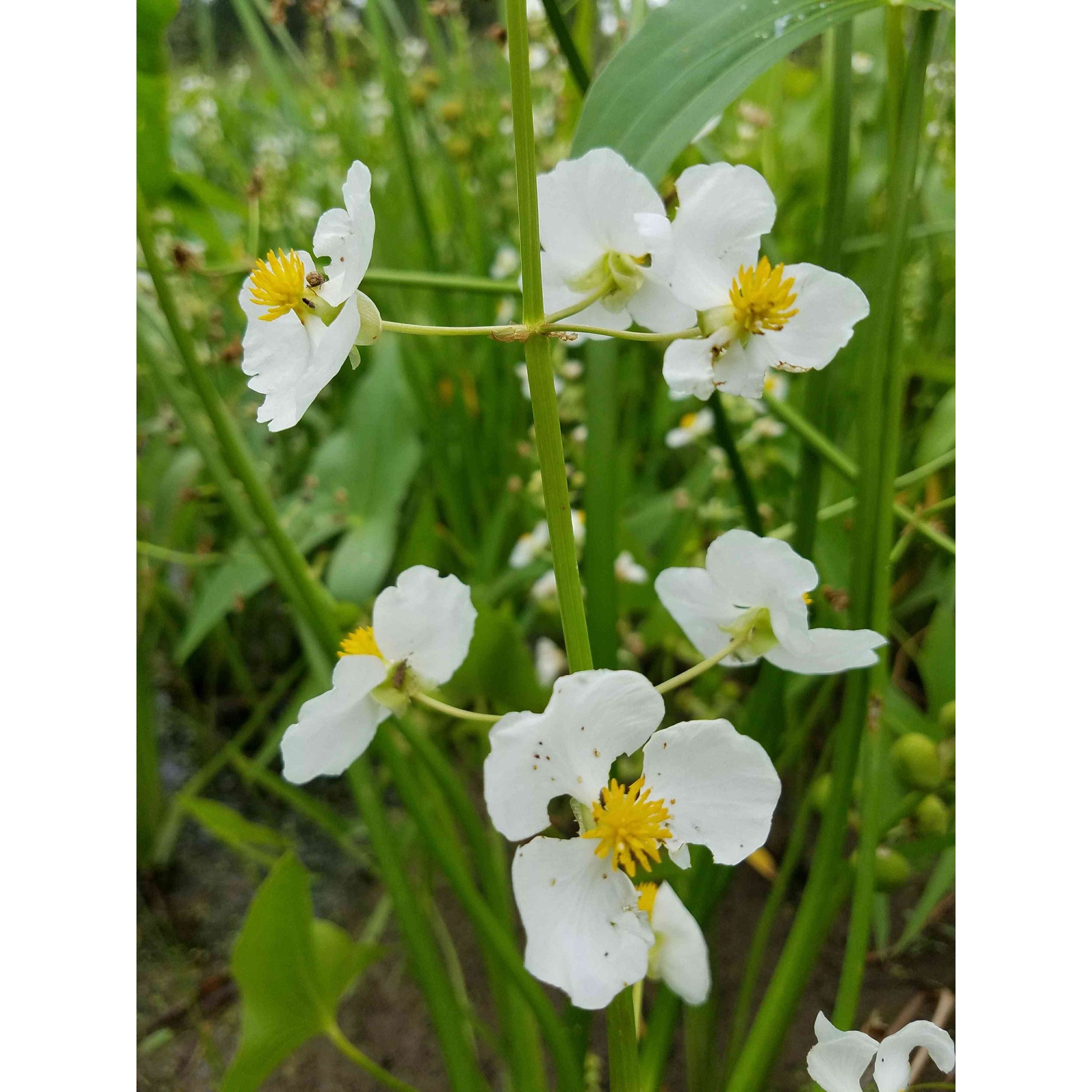
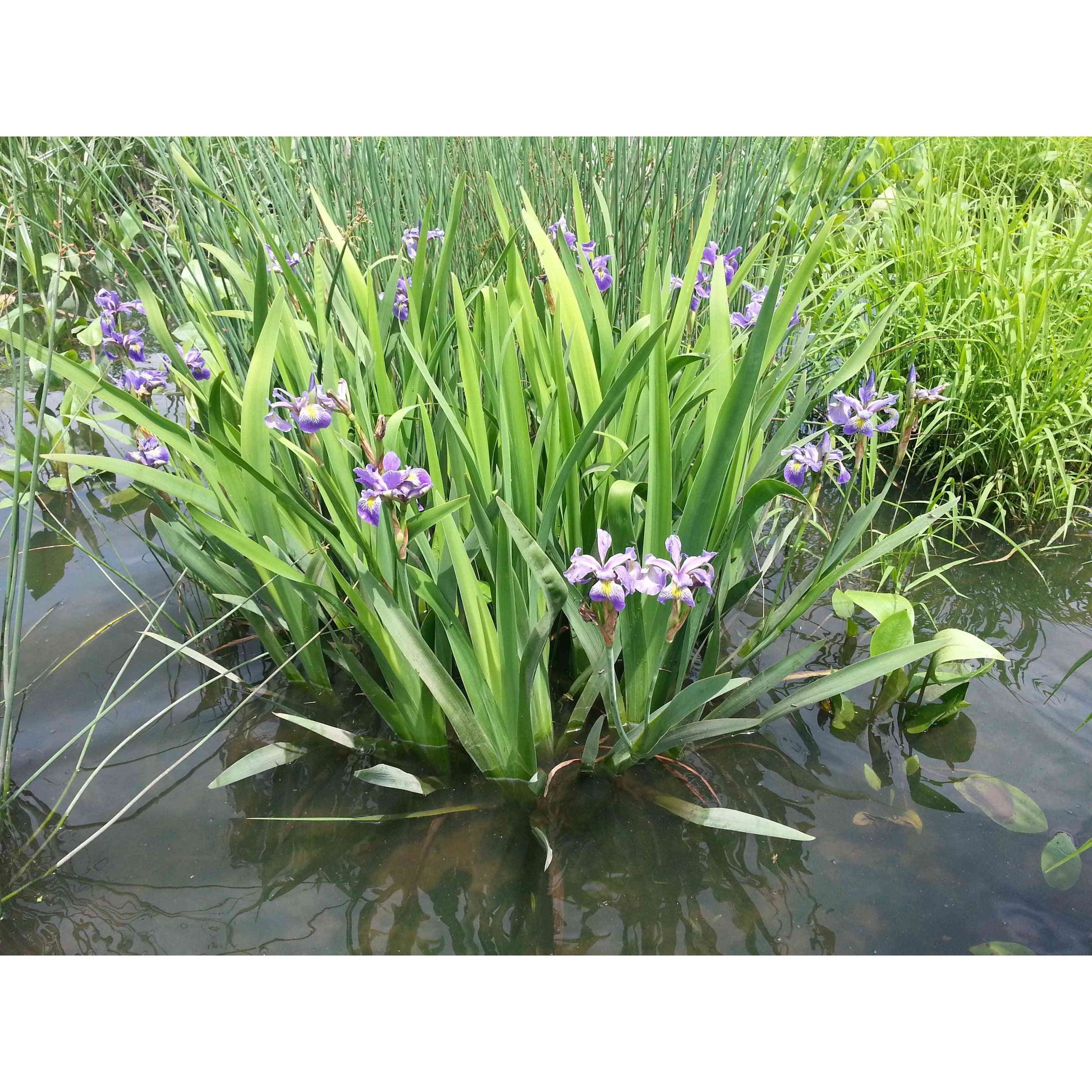
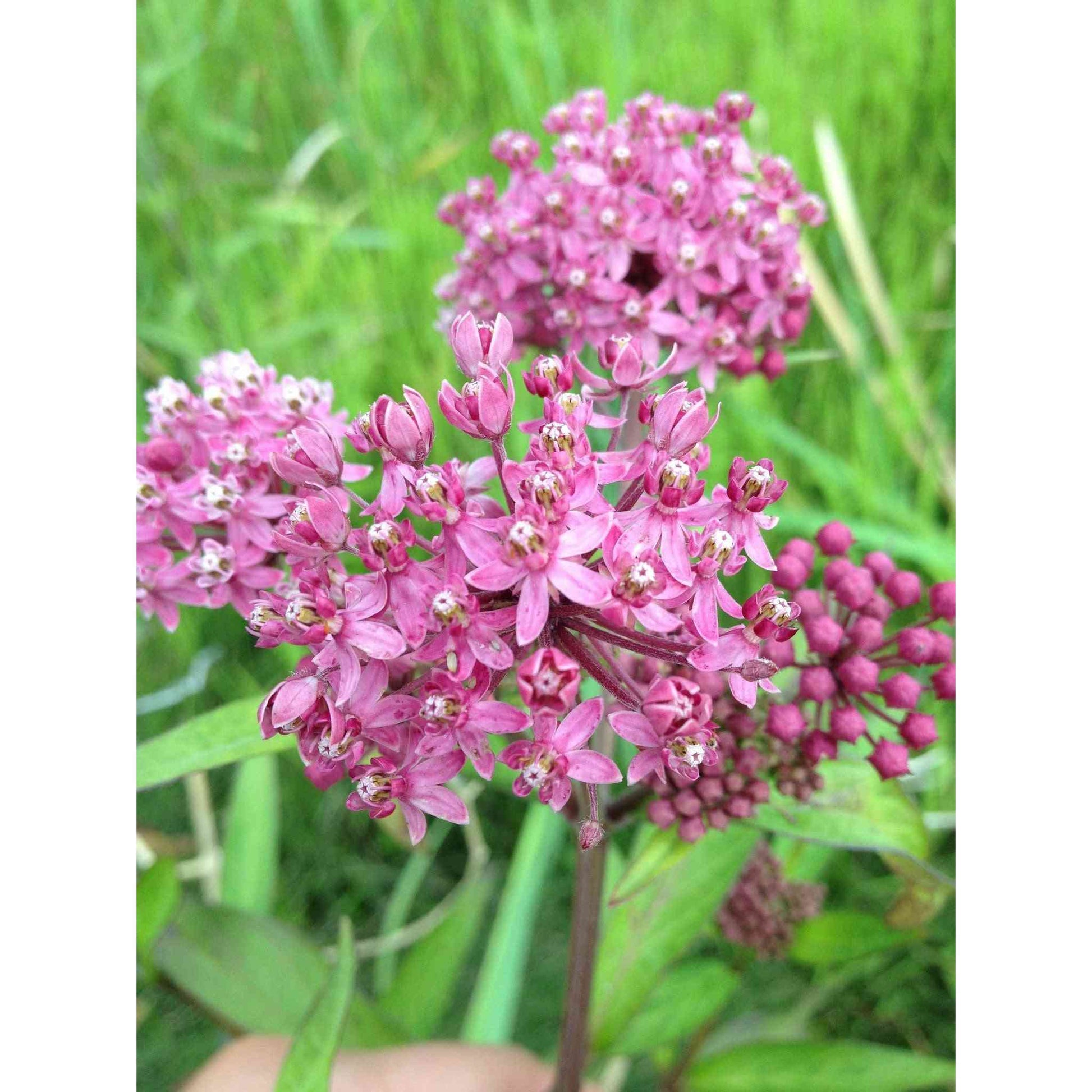
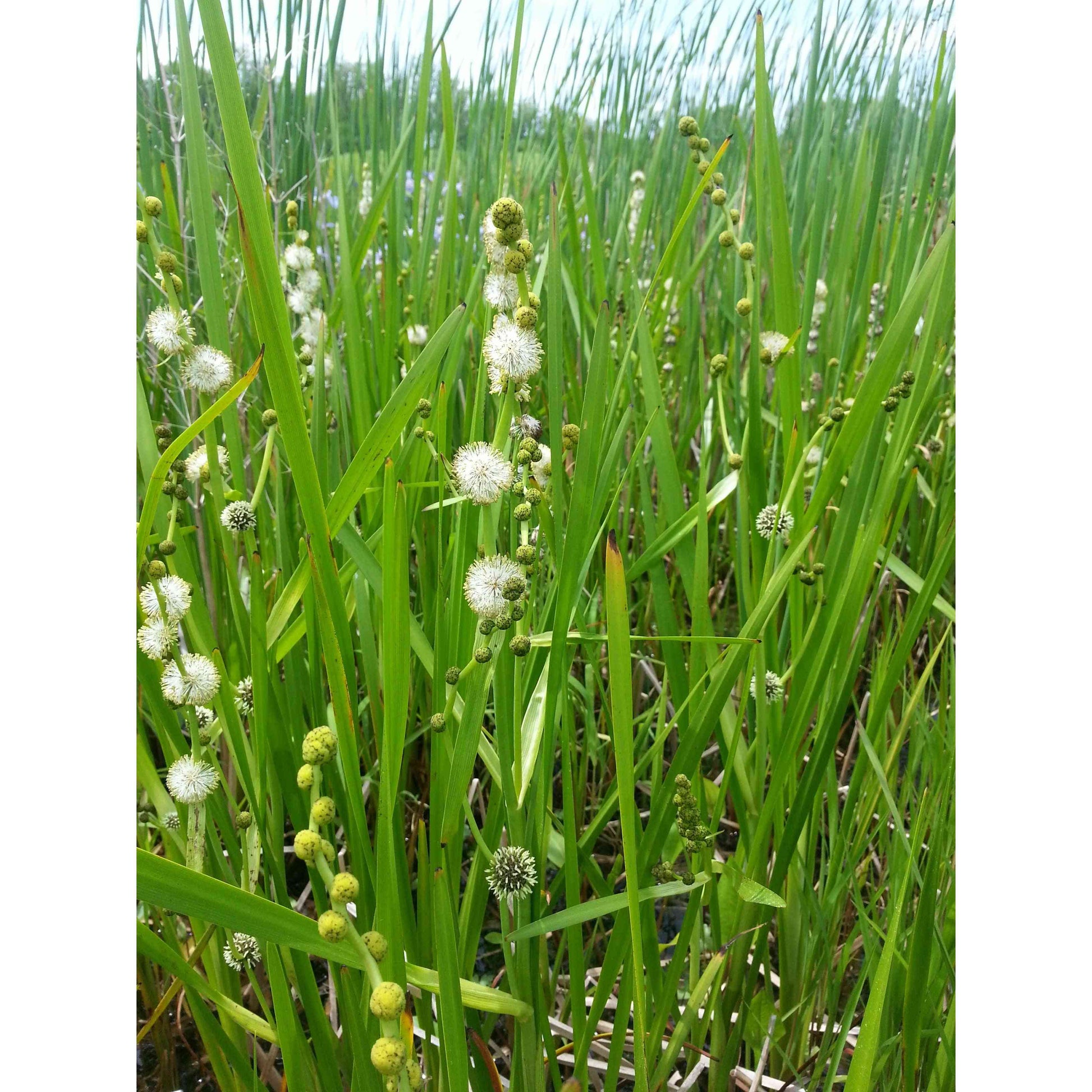
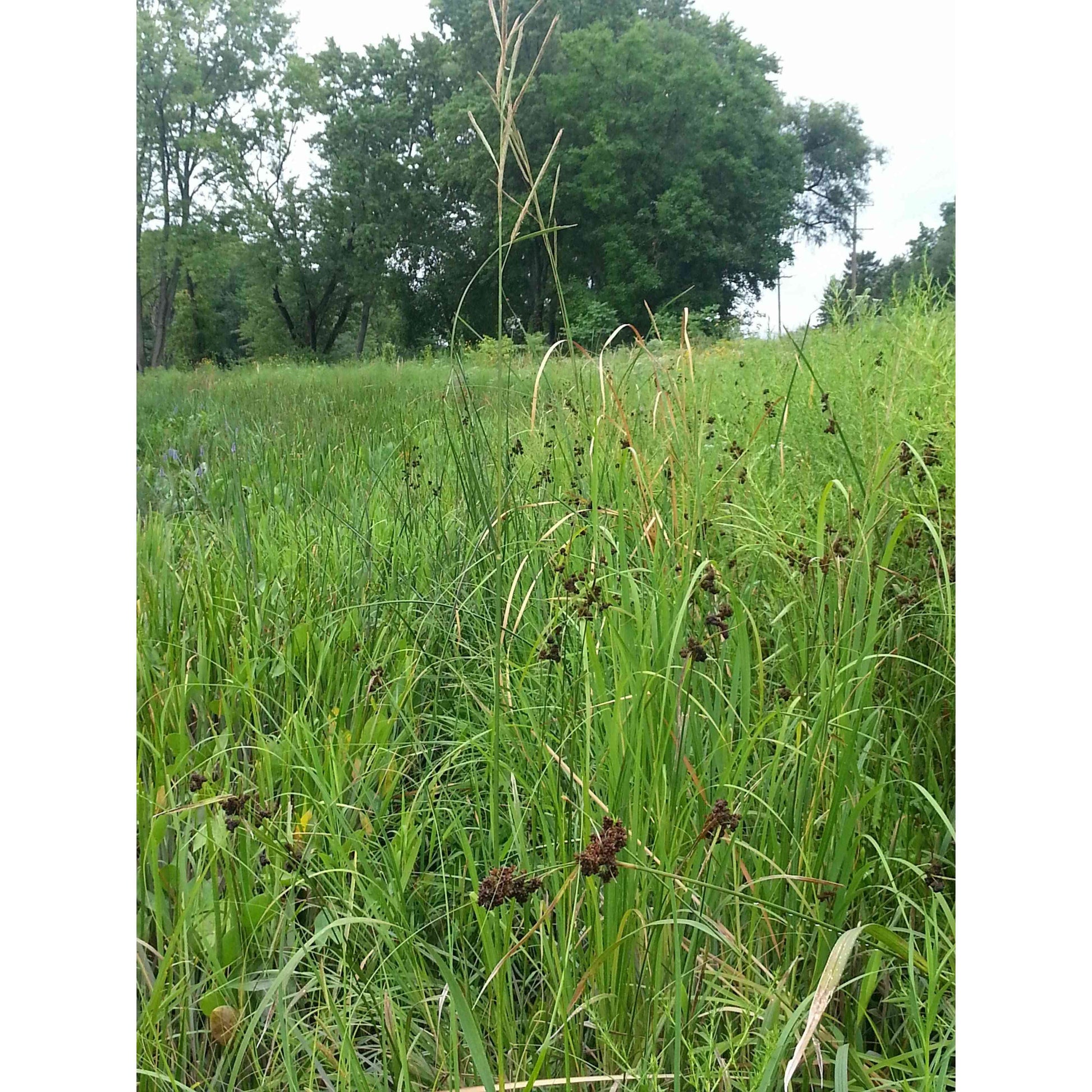
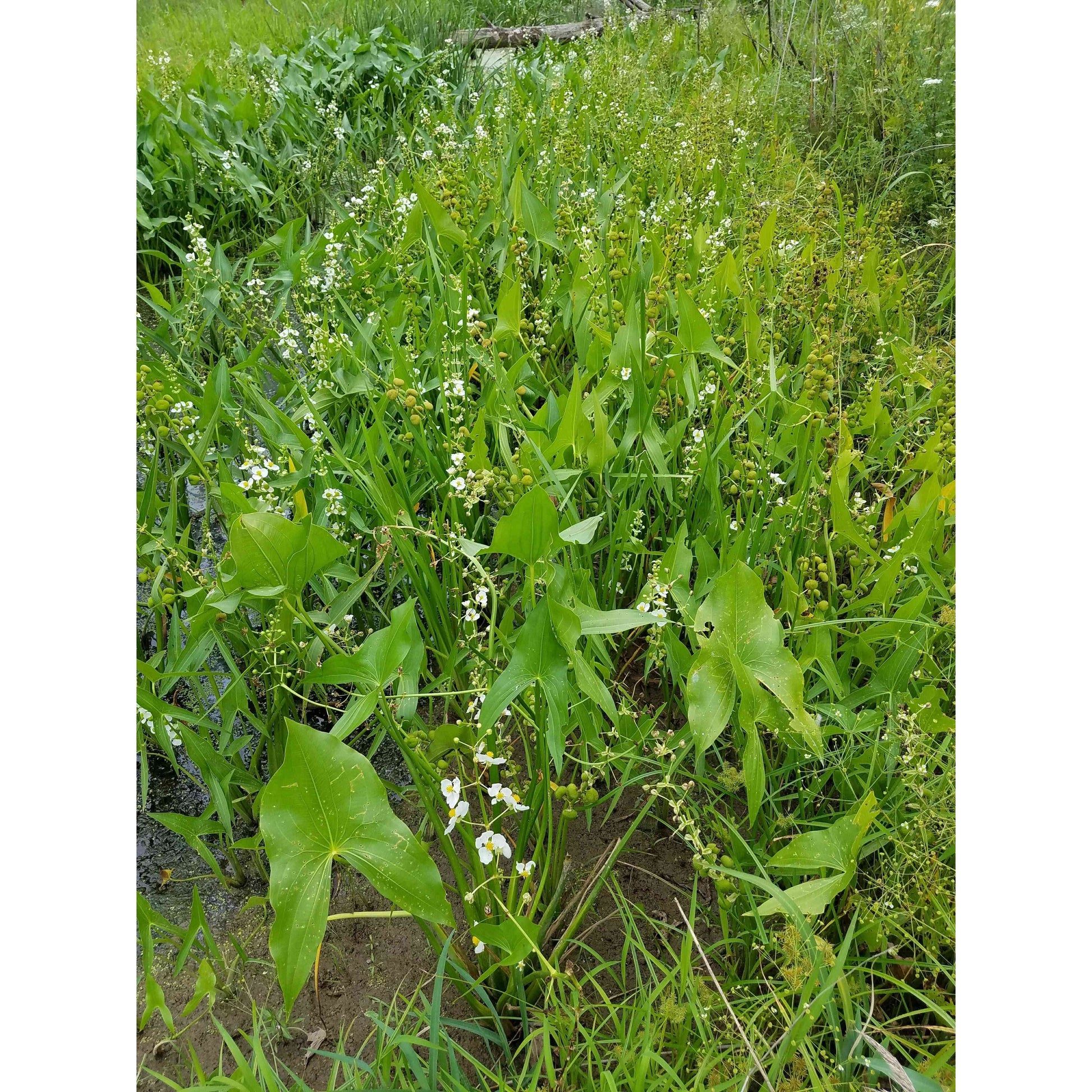
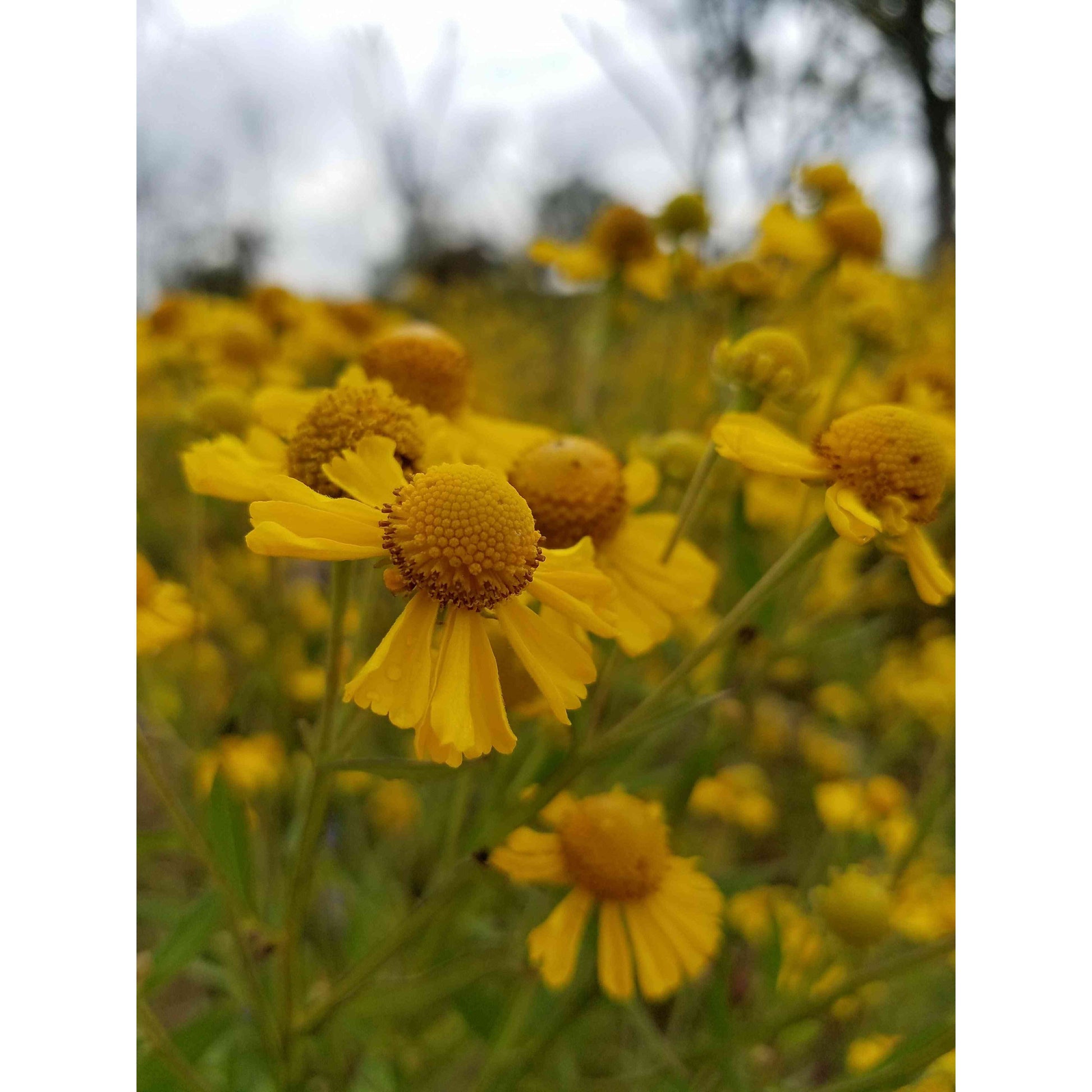
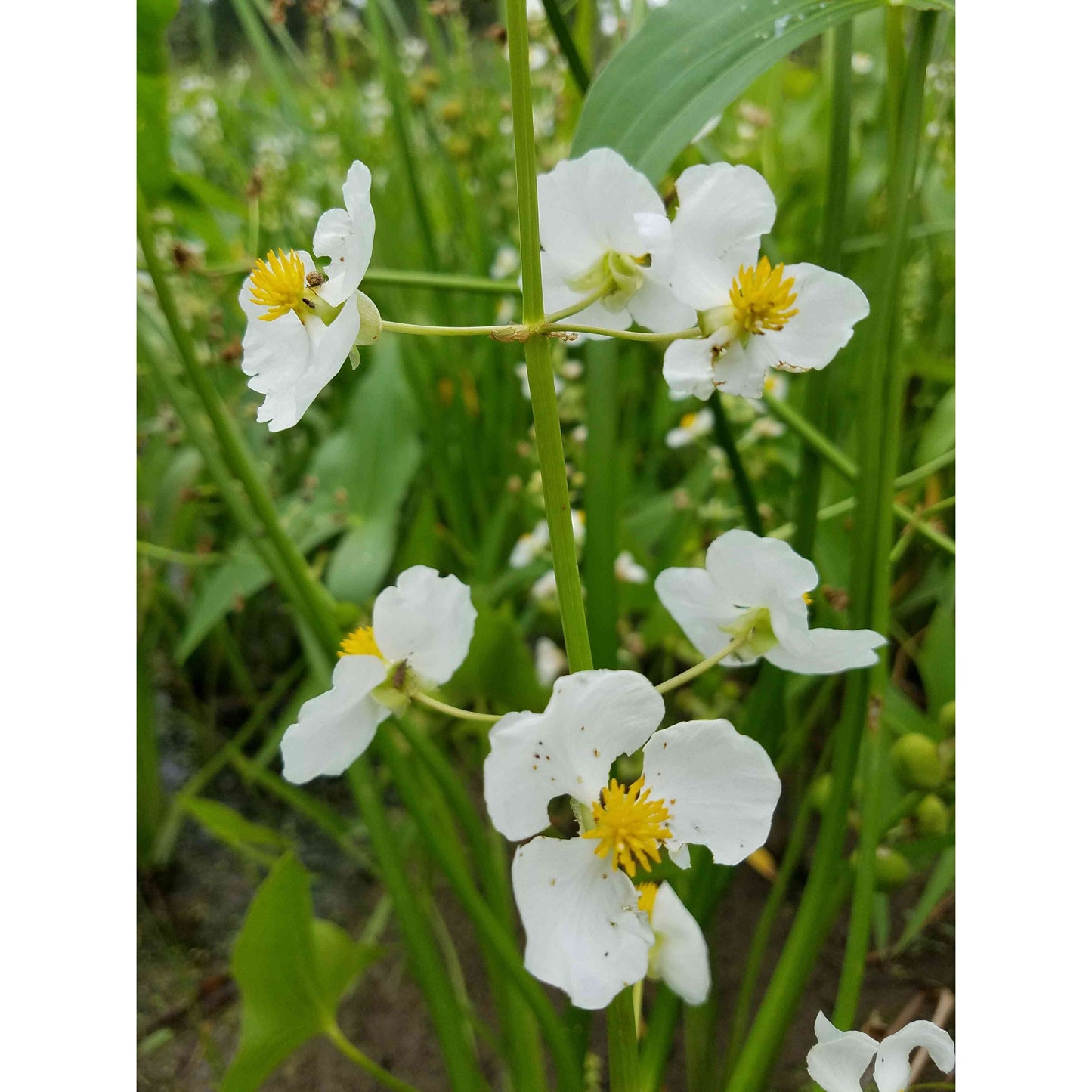
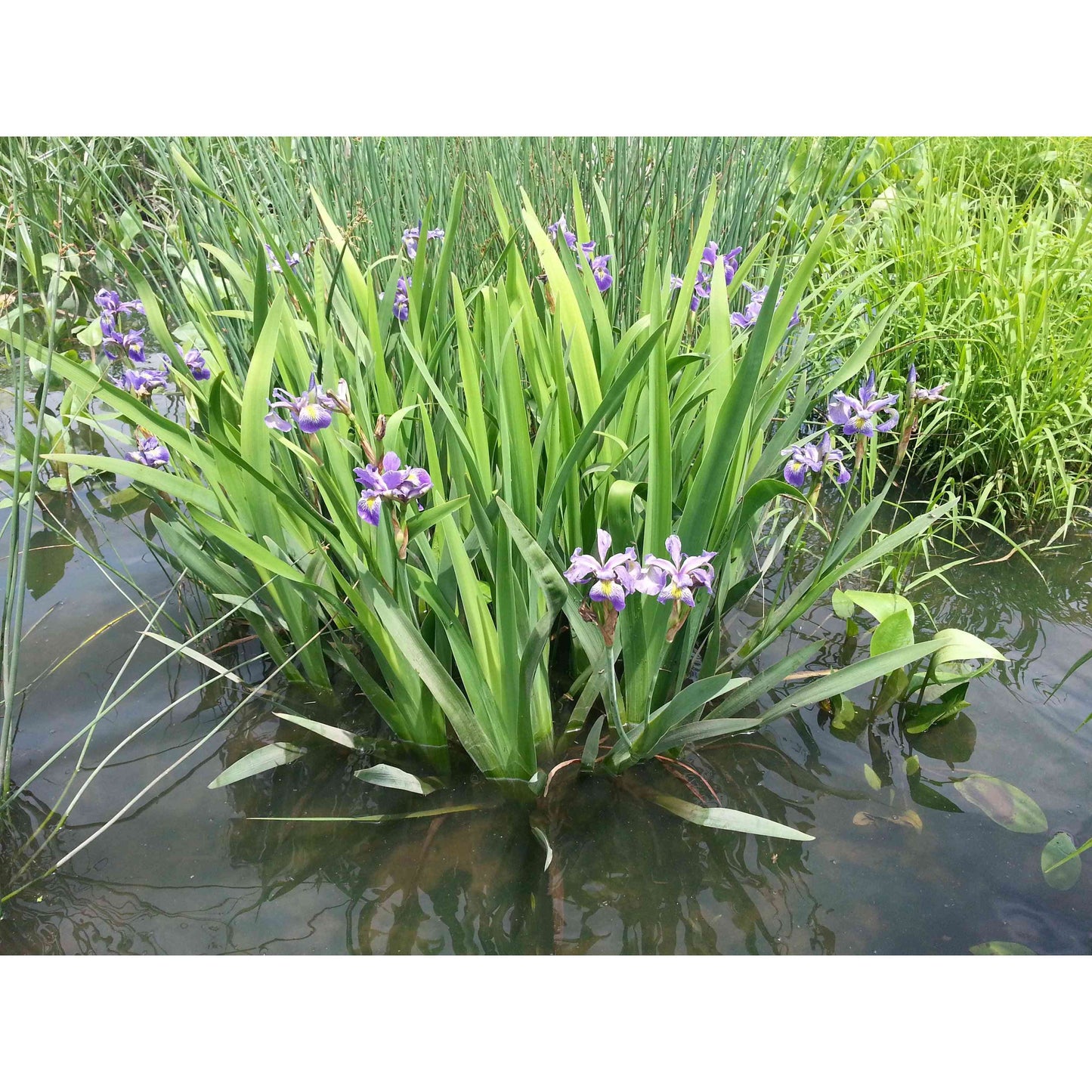
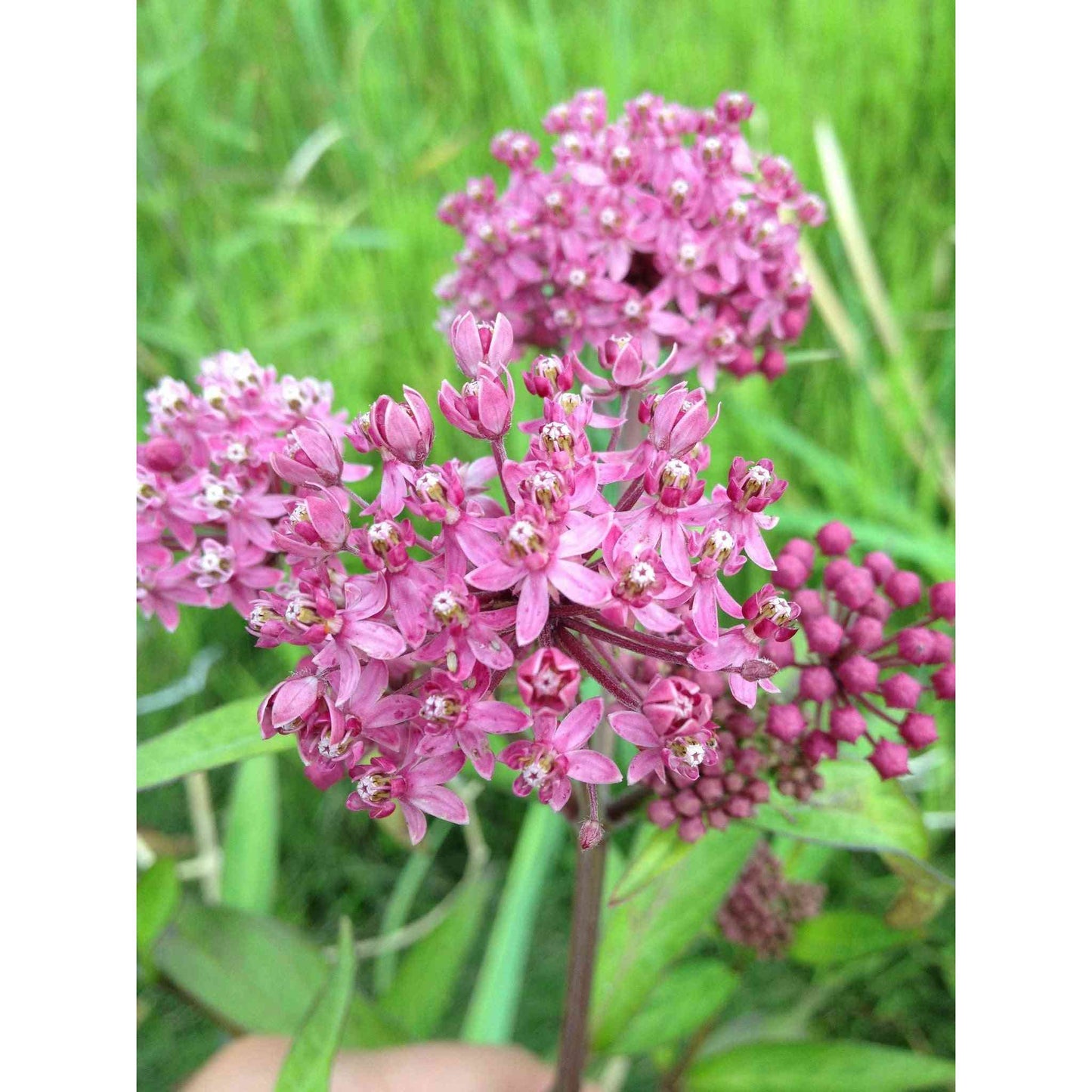
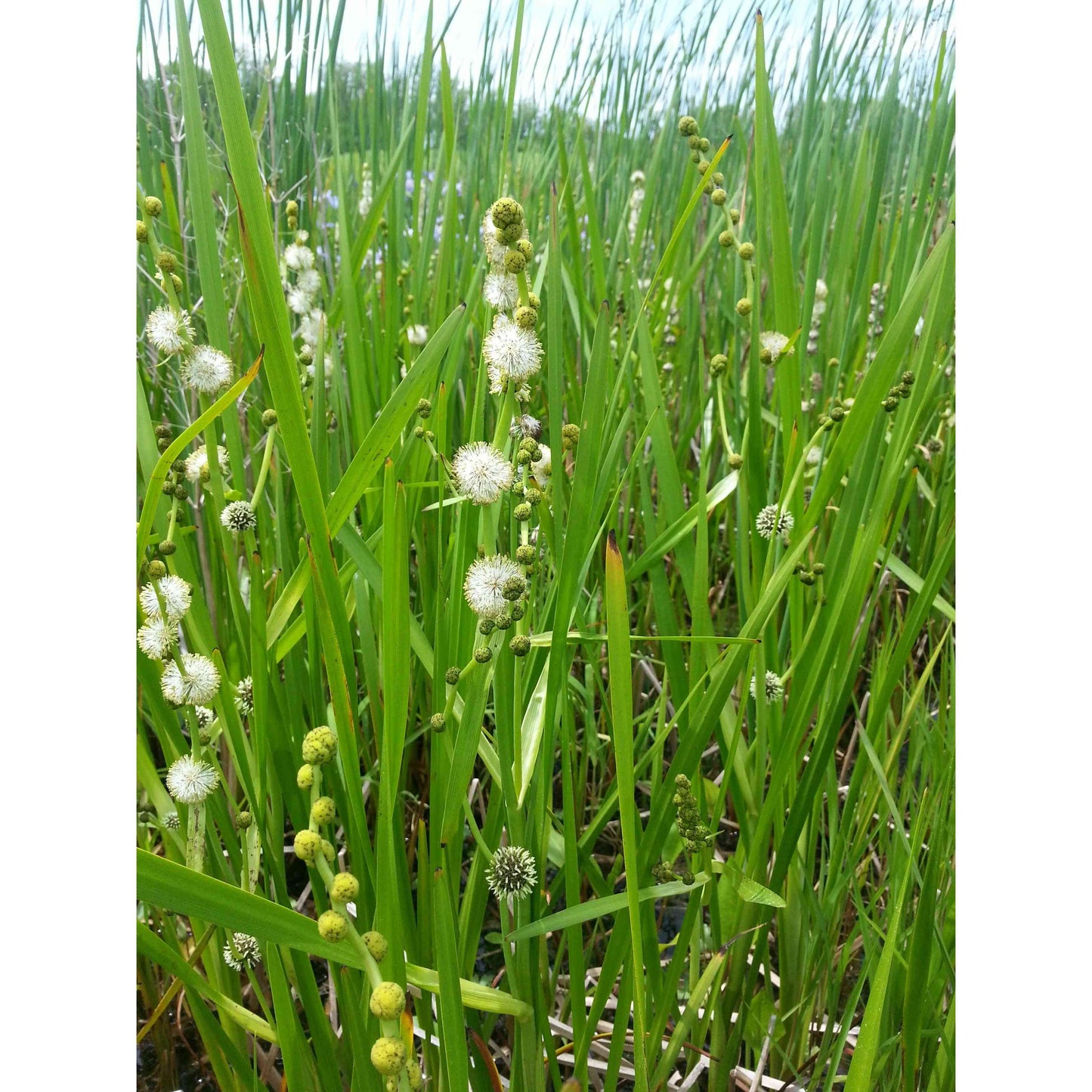
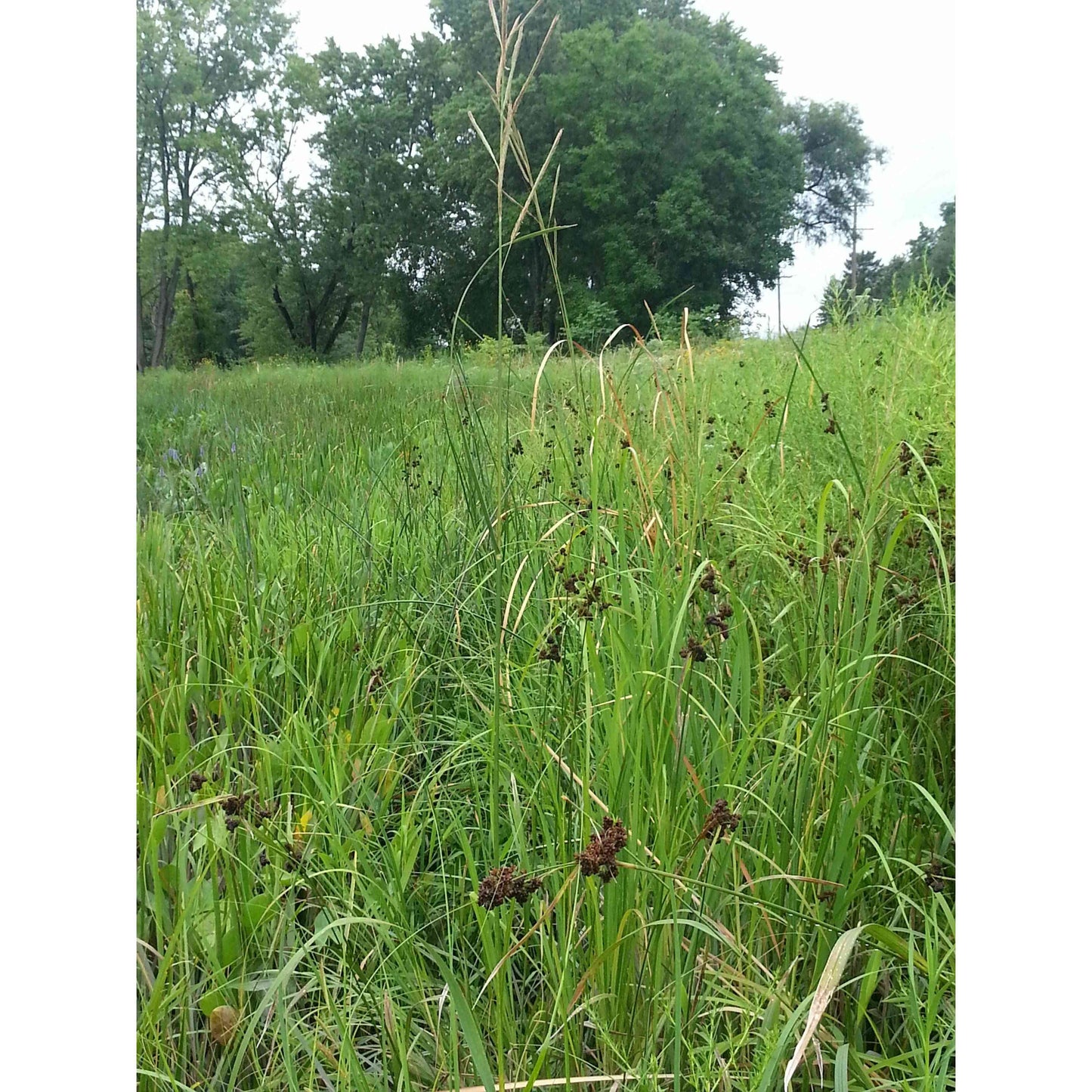
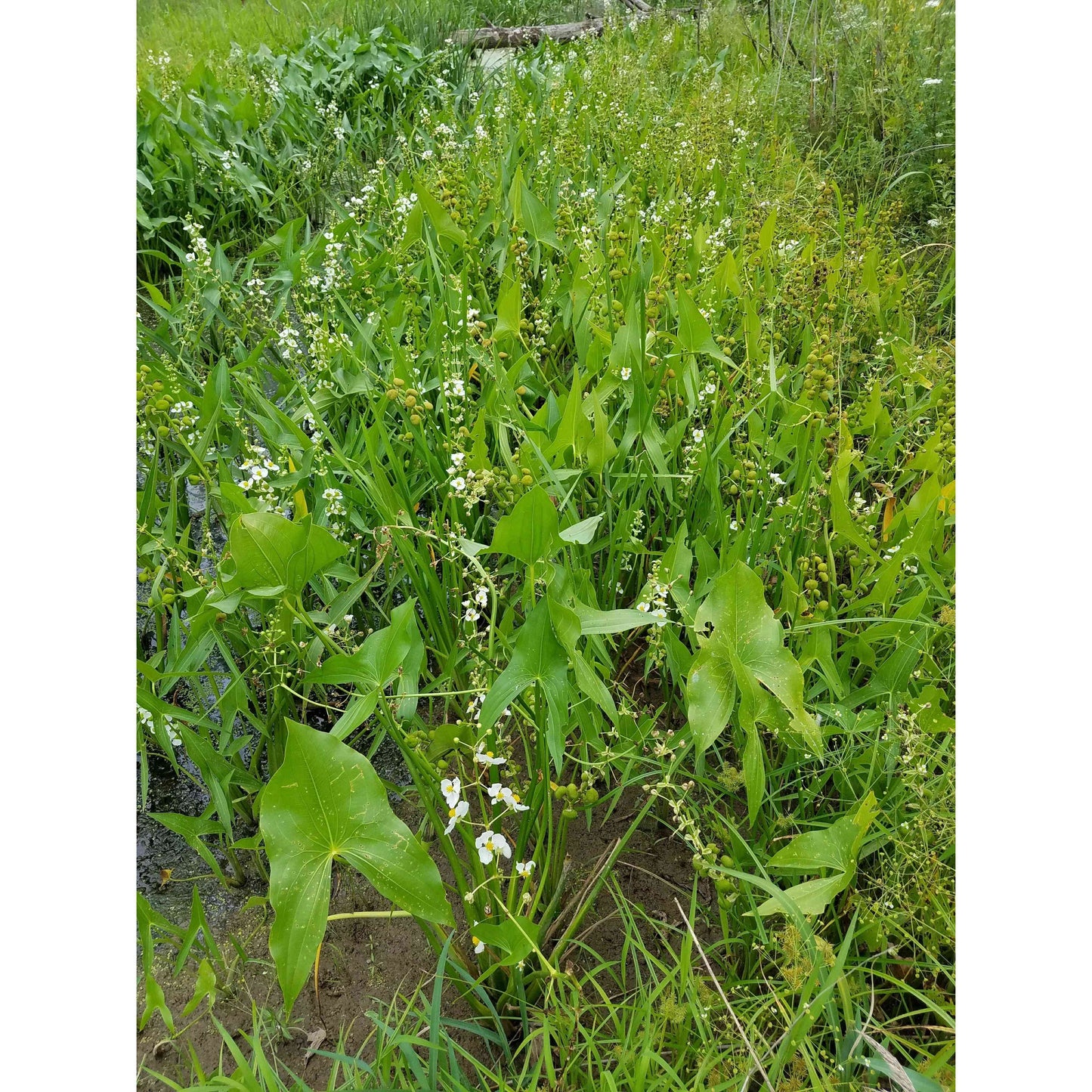
Softstem bulrush, river bulrush, giant bur-reed and broadleaf arrowhead are characteristic wetland ingredients in this recipe. Swamp milkweed and blue vervain add to its flowering component. These species occupy different positions along the transition from saturated soil to shallow water.
A varied emergent planting can include several growth forms and flowering resources across a wetland margin. Its diversity depends on matching species to water depth and water-level changes; conditions suitable for mature plants may still prevent seedling establishment.
Prepare suitable ground, manage competing vegetation and give the planting time to establish. Match later additions to the site and the gaps that develop.
How many plants do you need?
Calculate plants & flatsEstimate quantities from your planting area and species-appropriate spacing, then round up to whole flats.
Eligible choices for this product:
- 1/2 acre
- 3/4 acre
- 1 acre
Available
Subject to confirmation.
Couldn't load pickup availability
How much seed do you need?
Plan seed mix quantitiesEnter your planting area and the specified seeding rate for this mix.
Seed + Warrior Project Planner
Seed + Warrior Project Planner
Seed for broad coverage, plants for selected places
Start with a seed mix matched to the habitat. Its different species contribute ground cover, seasonal growth and food or shelter as the planting establishes. Suitable planted plugs can add structure or species that need more deliberate placement.
Match plant choices to light, soil moisture, flooding and drainage. Use the habitat-specific recommendations below, and apply any plug density only to the selected treatment areas. Seed and plants both need site preparation, competition control and follow-up care; planted additions do not replace the seed foundation.
Choose a seed mix on its product page to use its saved recommendations.
Edit these two numbers, then calculate.
Open a seed mix to start with its product and coverage selection.
Recommendation alignment is an editorial planning guide, not a success probability or a scientific seed-to-plug equivalence.
Plant roles, quantities & planning details
A suitable foundation seed mix provides broad coverage on prepared ground. In an existing planting, additional seed and targeted plugs can enrich suitable gaps. Place Warrior plugs intentionally in suitable microsites; the per-acre density applies only to the targeted treatment area, not an instruction to space plants evenly across the site.
Below 50% seed stays red; 50% to below 100% stays yellow. Extra diversity or plugs never offsets underseeding. For the full-diversity benchmark, a full-rate foundation starts light green, foundation + Expanded reaches its upper end, and a foundation with both add-ons starts the dark-green optimal zone. Maximum can be chosen with or without Expanded. The benchmark does not mean that every component is required for every site, and it does not assess existing vegetation. Verified, appropriate Warrior density raises alignment smoothly within the applicable diversity band. Extra seed above 100% adds no rating credit.
Flywheel Ecology: site investigation through ongoing monitoring
Read the current mix specification
Detailed seed quantities & custom-quote calculator
Seed Mix Specifications*
Seed Mix Specifications*
Seeding Rate: 5.73 lb/acre (140.6 seeds/square foot)
| Common Name | Scientific Name | % of Mix | Seeds/ft2 | Total | |||||||||
|
Grasses Bluejoint Grass |
Calamagrostis canadensis | 0.55% | 3.2 | 0.031 PLS lb | |||||||||
| Virginia Wild Rye | Elymus virginicus | 43.64% | 3.9 | 2.500 PLS lb | |||||||||
| Fowl Manna Grass | Glyceria striata | 2.18% | 7.3 | 0.125 PLS lb | |||||||||
| Rice Cut Grass | Leersia oryzoides | 3.27% | 2.3 | 0.188 PLS lb | |||||||||
|
Sedges & Rushes Bottlebrush Sedge |
Carex comosa | 3.27% | 2.1 | 0.188 PLS lb | |||||||||
| Porcupine Sedge | Carex hystericina | 3.27% | 2.1 | 0.188 PLS lb | |||||||||
| Pointed-broom Sedge | Carex scoparia | 0.33% | 0.6 | 0.019 PLS lb | |||||||||
| Brown Fox Sedge | Carex vulpinoidea | 3.27% | 6.9 | 0.188 PLS lb | |||||||||
| Bald Spikerush | Eleocharis erythropoda | 0.35% | 0.6 | 0.020 PLS lb | |||||||||
| Common Spikerush | Eleocharis palustris | 0.35% | 0.4 | 0.020 PLS lb | |||||||||
| Common Rush | Juncus effusus | 1.09% | 23.0 | 0.063 PLS lb | |||||||||
| Dark Green Bulrush | Scirpus atrovirens | 2.18% | 21.1 | 0.125 PLS lb | |||||||||
| Woolgrass | Scirpus cyperinus | 0.55% | 19.5 | 0.031 PLS lb | |||||||||
| River Bulrush | Bolboschoenus fluviatilis | 3.27% | 0.3 | 0.188 PLS lb | |||||||||
| Softstem Bulrush | Schoenoplectus tabernaemontani | 3.27% | 2.1 | 0.188 PLS lb | |||||||||
|
Forbs Sweet Flag |
Acorus americanus | 3.27% | 0.5 | 0.188 PLS lb | |||||||||
| Water Plantain | Alisma subcordatum | 3.27% | 4.1 | 0.188 PLS lb | |||||||||
| Angelica | Angelica atropurpurea | 4.36% | 0.5 | 0.250 PLS lb | |||||||||
| Swamp Milkweed | Asclepias incarnata | 2.18% | 0.2 | 0.125 PLS lb | |||||||||
| Joe Pye Weed | Eutrochium maculatum | 1.09% | 2.2 | 0.063 PLS lb | |||||||||
| Boneset | Eupatorium perfoliatum | 1.09% | 3.7 | 0.063 PLS lb | |||||||||
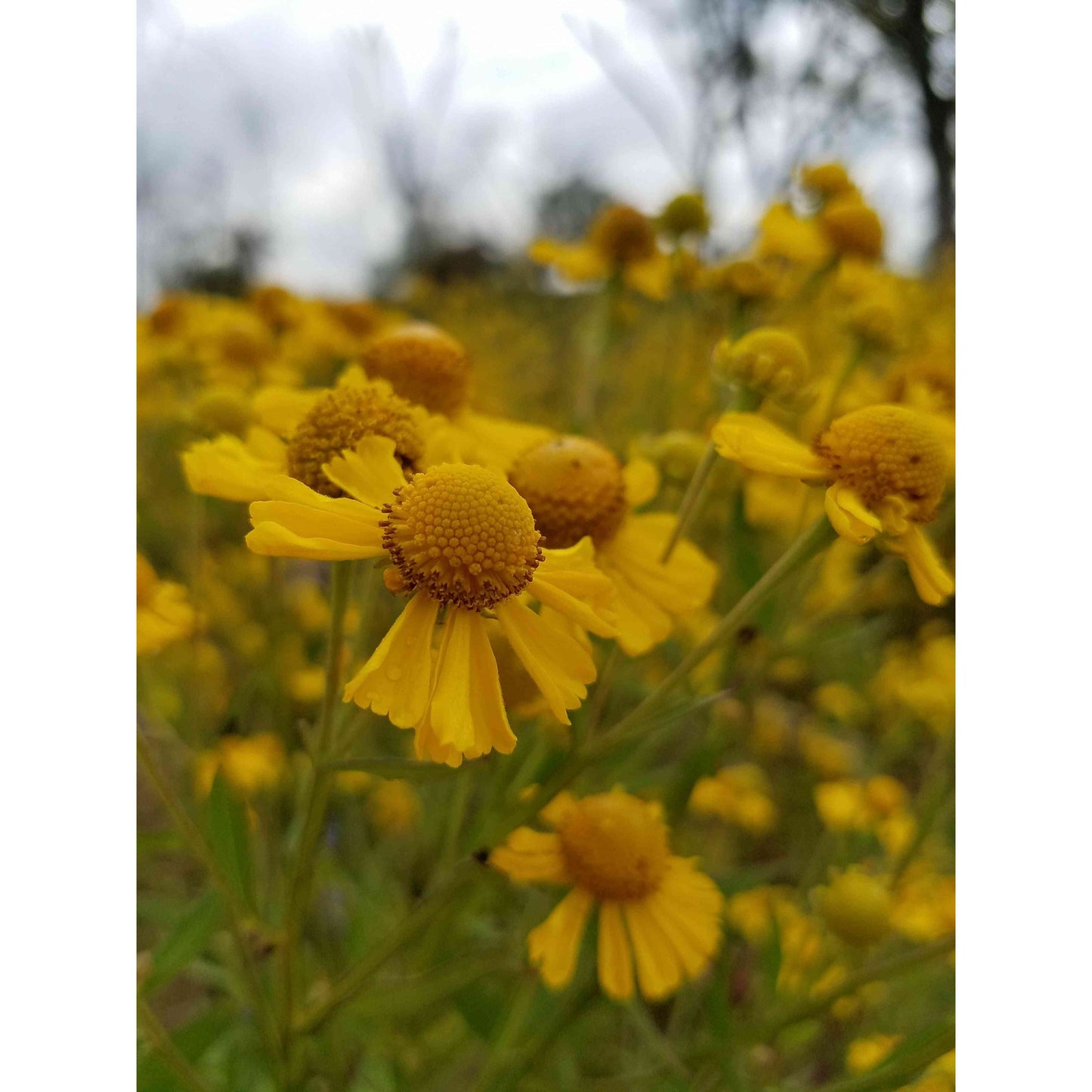
| Sneezeweed | Helenium autumnale | 1.75% | 4.8 | 0.100 PLS lb | |||||||||
| Great Blue Lobelia | Lobelia siphilitica | 0.44% | 4.6 | 0.025 PLS lb | |||||||||
| Monkey Flower | Mimulus ringens | 0.35% | 16.9 | 0.020 PLS lb | |||||||||
| Common Arrowhead | Sagittaria latifolia | 1.09% | 1.4 | 0.063 PLS lb | |||||||||
| Giant Bur Reed | Sparganium eurycarpum | 6.98% | 0.1 | 0.400 PLS lb | |||||||||
| Substitutions may be made based on availability at the time of order.Blue Vervain | Verbena hastata | 3.27% | 6.4 | 0.188 PLS lb | |||||||||
Pure Live Seed
Pure Live Seed
Seed is provided in Pure Live Seed (PLS) unless otherwise stated.
Pure Live Seed (PLS) expresses the viable seed content of a seed lot using its purity and germination or viability test results. It helps you compare seed lots and calculate how much bulk seed is needed to meet a specified PLS planting rate.
PLS weight and bag weight
PLS weight is not the same as the total weight of seed in a bag. For example, a lot with 80% purity and 75% viability contains 60% PLS: 80 × 75 ÷ 100 = 60. Supplying 10 lb PLS from that lot requires about 16.67 lb of bulk seed.
Use the current seed test and the stated basis of the mix specification. Germination calculations may include applicable hard or dormant seed. Seed-count estimates also require the number of seeds per pound; PLS alone does not provide a seed count.
What to check when buying a mix
Check whether each rate is stated in PLS pounds, bulk pounds, or a combination. A mix with both bases should not be described as having an all-PLS total.
PLS does not remove weed seeds or guarantee establishment. Review the seed label and analysis for weed content, and match site preparation, planting conditions and follow-up management to your project.
Sources: USDA NRCS, Understanding Pure Live Seed and The Importance of Seed Quality for Natural Resource Conservation.
Plant the transition between shallow water and saturated soil with an emergent wetland blend of native grasses, sedges, rushes and flowering species. This mix is intended for shorelines, wetland margins and areas that can expose wet mud as water levels change.
Establishment depends on water depth and the timing of drawdown. The ability of established wetland plants to tolerate shallow standing water does not mean newly sown seed can establish under the same conditions. Match sowing and supplemental plugs to the site's hydrology.
Site conditions
Light: Full sun to part sun.
Soil moisture: Saturated soils and emergent wetland margins.
Blend ingredients
The following ingredients are listed in the published mix specification. Confirm the current formulation before ordering. Listed proportions follow the source and are not a claim about percentage by seed count.
| Species | Published proportion |
|---|---|
| Calamagrostis canadensis | 0.55% |
| Elymus virginicus | 43.64% |
| Glyceria striata | 2.18% |
| Leersia oryzoides | 3.27% |
| Carex comosa | 3.27% |
| Carex hystericina | 3.27% |
| Carex scoparia | 0.33% |
| Carex vulpinoidea | 3.27% |
| Eleocharis erythropoda | 0.35% |
| Eleocharis palustris | 0.35% |
| Juncus effusus | 1.09% |
| Scirpus atrovirens | 2.18% |
| Scirpus cyperinus | 0.55% |
| Bolboschoenus fluviatilis | 3.27% |
| Schoenoplectus tabernaemontani | 3.27% |
| Acorus americanus | 3.27% |
| Alisma subcordatum | 3.27% |
| Angelica atropurpurea | 4.36% |
| Asclepias incarnata | 2.18% |
| Eutrochium maculatum | 1.09% |
| Eupatorium perfoliatum | 1.09% |
| Helenium autumnale | 1.75% |
| Lobelia siphilitica | 0.44% |
| Mimulus ringens | 0.35% |
| Sagittaria latifolia | 1.09% |
| Sparganium eurycarpum | 6.98% |
| Verbena hastata | 3.27% |
Planting and establishment
Prepare the site and manage existing weeds before seeding. Germination requirements vary among the ingredients. Some native species benefit from cold, moist conditions; follow the mix-specific sowing guidance rather than treating every ingredient the same. For background, read native seed stratification guidance.
Ordering details
Listed options: 1 acre; 3/4 acre; 1/2 acre.
Please specify any mixing instructions when ordering. Species and proportions may vary with availability; confirm the agreed recipe, quantity and seed-quality basis for your order.
All seed sales are final and can not be returned because they are custom mixed at the time of purchase.
Establishing diversity and enriching later
Establishing diversity and enriching later
Plan the desired diversity from the start, with a sowing window suited to the site's hydrology. Assess establishment before adding more seed. Later enrichment can combine seed on suitable exposed substrate with plugs in appropriate wetland zones, followed by invasive-plant control and monitoring of water conditions.
Make your restoration budget go further
Approved Stewardship Circle participants receive 25% off retail native plants and seed. Conservation professionals, volunteers, and members or supporters of qualifying conservation organizations can apply. There is no program membership fee.
Your involvement with a land trust or conservation organization may qualify you. Check eligibility and submit proof with your application. Approval is required; organization membership does not automatically activate the discount.
Shipping & Care
Shipping & Care
Seed ships all year and typically ships within a week of an order being placed.
We have attempted to put together some basic information regarding native seed installation, establishment, and maintenance. We hope you find it helpful. If you need further assistance on native seed establishment, please schedule a free consolation call here.
Consultation Services
Ecosystem Restoration Considerations
Native Seed Establishment Best Management Practices
Native Seed Stratification Best Management Practices
Solving a Site Problem? Get Expert Advice + Get Store Credit
Whether you're fighting severe erosion, replacing invasive species, designing a pollinator haven, or seeding large acreage, choosing the wrong species wastes time and money. Talk 1-on-1 with a restoration ecologist to map out the exact species, plug counts, or seed mixes for your soil and goals. Book a consultation and get all or a portion credited directly back to your order.