

Pycnanthemum tenuifolium (Slender Mountain Mint)
Pycnanthemum tenuifolium (Slender Mountain Mint)
How many plants do you need?
Calculate plants & flatsEstimate quantities from your planting area and species-appropriate spacing, then round up to whole flats.
Eligible choices for this product:
- Plants / 10 Pint Flat
- Plants / 32-Cell Plug Flat
- Plants / 50-Cell Plug Flat
Available
Subject to confirmation.
Updated
Couldn't load pickup availability
How much seed do you need?
Calculate seed quantitiesEnter your planting area and the rate for this species, or add species to plan a custom mix.
Pure Live Seed
Pure Live Seed
Seed is provided in Pure Live Seed (PLS) unless otherwise stated.
Pure Live Seed (PLS) expresses the viable seed content of a seed lot using its purity and germination or viability test results. It helps you compare seed lots and calculate how much bulk seed is needed to meet a specified PLS planting rate.
PLS weight and bag weight
PLS weight is not the same as the total weight of seed in a bag. For example, a lot with 80% purity and 75% viability contains 60% PLS: 80 × 75 ÷ 100 = 60. Supplying 10 lb PLS from that lot requires about 16.67 lb of bulk seed.
Use the current seed test and the stated basis of the mix specification. Germination calculations may include applicable hard or dormant seed. Seed-count estimates also require the number of seeds per pound; PLS alone does not provide a seed count.
What to check when buying a mix
Check whether each rate is stated in PLS pounds, bulk pounds, or a combination. A mix with both bases should not be described as having an all-PLS total.
PLS does not remove weed seeds or guarantee establishment. Review the seed label and analysis for weed content, and match site preparation, planting conditions and follow-up management to your project.
Sources: USDA NRCS, Understanding Pure Live Seed and The Importance of Seed Quality for Natural Resource Conservation.
Weight Conversions lbs. to oz.
Weight Conversions lbs. to oz.
0.01 pounds = 0.16 ounces
- 0.1 pounds = 1.6 ounces
- 0.25 pounds = 4 ounces
- 0.5 pounds = 8 ounces
- 0.75 pounds = 12 ounces
- 1.00 pounds = 16 ounces
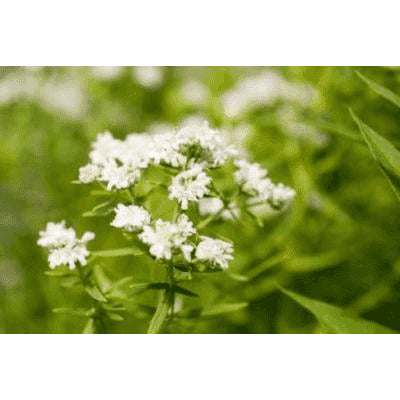
Slender mountain mint (Pycnanthemum tenuifolium) has very narrow leaves and branching stems topped with clusters of tiny white flowers. Purple dots may be visible on the blooms at close range. Its fine foliage gives a lighter appearance than broader-leaved mountain mints, while the flowers attract bees and other pollinators.
Use it in full sun or partial sun with well-drained soil. It grows in moderately moist ground and can tolerate some summer drying once established. The fine leaves release a mint scent when crushed.
Rhizomes allow the planting to expand into colonies. The fine leaves do not indicate a weak or nonspreading plant: give it room in a prairie garden or manage its boundary in a smaller bed. Avoid placing it directly against slow-growing plants that need open soil around their crowns.
Plant specifications & ecological relationships
Key growing facts
| Sunlight | Full sun |
|---|---|
| Soil moisture | Moist to slightly dry |
| Height | 1-3 ft |
| Bloom season | Early to mid-summer |
Show / hide ▾Native Landscaping Companion Plants
Build a layered native planting with grasses and sedges as a matrix, ground covers, seasonal flowers, and plants for texture. Explore the full curated Full Sun list below. Match light, soil moisture, mature size, and spreading habit to your site.
Native Landscaping Guide — plan your planting
Hover over a plant name or expand Growing information for details. Short: under 2 ft · Medium: 2 to under 4 ft · Tall: 4 ft or more.
Full Sun
Click the buttons below to expand a list of species.
Grasses & Sedges — Matrix Species
-
Big bluestem (Andropogon gerardii)
Growing information
Height: 3 ft–8 ft (Medium / Tall) · Color: Green foliage; bronze fall color · Season: Late summer–fall seedheads · Light: Sun · Moisture: Moist to slightly dry · Note: Very vigorous; can dominate small beds. Best with ample space and strong companions.
-
Indian grass (Sorghastrum nutans)
Growing information
Height: 3 ft–7 ft (Medium / Tall) · Color: Green foliage; golden-brown seedheads · Season: Late summer–fall seedheads · Light: Sun to part sun · Moisture: Moist to slightly dry · Note: Very vigorous; can dominate small beds. Best with ample space and strong companions.
-
Little bluestem (Schizachyrium scoparium)
Growing information
Height: 2 ft–3 ft (Medium) · Color: Blue-green foliage; copper fall color · Season: Late summer–fall seedheads · Light: Sun · Moisture: Average to dry · Note: Upright clumps; avoid overly rich or wet soil.
-
Prairie dropseed (Sporobolus heterolepis)
Growing information
Height: 1.5 ft–3 ft (Short / Medium) · Color: Green foliage; tan seedheads · Season: Late summer–fall seedheads · Light: Sun · Moisture: Average to dry · Note: Fine-textured clumps; foliage usually 1–2 ft tall.
-
Sideoats grama (Bouteloua curtipendula)
Growing information
Height: 2 ft–2.5 ft (Medium) · Color: Green foliage; tan seedheads · Season: Summer–fall seedheads · Light: Sun · Moisture: Dry · Note: Fine texture with seedheads along one side of the stem.
-
Switchgrass (Panicum virgatum)
Growing information
Height: 3 ft–6 ft (Medium / Tall) · Color: Green foliage; airy tan seedheads · Season: Summer–fall seedheads · Light: Sun to part sun · Moisture: Moist to average · Note: Very vigorous; can dominate small beds. Best with ample space and strong companions.
-
Tufted hairgrass (Deschampsia cespitosa)
Growing information
Height: 1 ft–4 ft (Short / Medium / Tall) · Color: Green foliage; airy tan seedheads · Season: Summer seedheads · Light: Part sun to part shade · Moisture: Moist · Note: Best in cooler, moist pockets; not a dry-prairie grass.
Ground Covers
-
Canada anemone (Anemone canadensis)
Growing information
Height: 9 in–2 ft (Short / Medium) · Color: White · Season: Late spring–early summer · Light: Sun to part sun · Moisture: Moist · Note: Spreads aggressively by rhizomes; can overwhelm smaller plants.
-
Prairie alumroot (Heuchera richardsonii)
Growing information
Height: 1 ft–2 ft (Short / Medium) · Color: Green foliage; greenish-white flowers · Season: Late spring–early summer · Light: Sun to part shade · Moisture: Average to dry · Note: Clump-forming foliage; use light shade rather than deep shade.
-
Wild petunia (Ruellia humilis)
Growing information
Height: 6 in–1 ft (Short) · Color: Lavender · Season: Summer · Light: Sun to part sun · Moisture: Moist to dry · Note: Seed pods burst and fling seed nearby; can self-seed.
Flowers
Spring
-
Blue wild indigo (Baptisia australis)
Growing information
Height: 3 ft–4 ft (Medium / Tall) · Color: Blue-violet · Season: Late spring–early summer · Light: Sun to part sun · Moisture: Average to dry, well-drained · Note: Upright, bushy form; best flowering in sun. Native to parts of the central and eastern U.S.; Chicago-region native status is uncertain.
-
Cream wild indigo (Baptisia bracteata)
Growing information
Height: 1.5 ft–2.5 ft (Short / Medium) · Color: Cream-yellow · Season: Spring · Light: Sun to part sun · Moisture: Average to dry · Note: Low, bushy form; allow room for its spreading outline.
-
Foxglove beardtongue (Penstemon digitalis)
Growing information
Height: 3 ft–5 ft (Medium / Tall) · Color: White · Season: Late spring–early summer · Light: Sun to part sun · Moisture: Average · Note: Upright flower spikes; blooms bridge spring and summer.
-
Golden Alexanders (Zizia aurea)
Growing information
Height: 1 ft–2.5 ft (Short / Medium) · Color: Yellow · Season: Late spring–early summer · Light: Sun to part sun · Moisture: Moist to average · Note: An informal, naturalistic look—best for gardeners who enjoy a wilder style.
-
Hairy beardtongue (Penstemon hirsutus)
Growing information
Height: 1 ft–2 ft (Short / Medium) · Color: Lavender-purple with pale lips · Season: Late spring–early summer · Light: Sun to part shade · Moisture: Average to dry, well-drained · Note: Compact; can self-seed without usually spreading aggressively.
-
Jacob's ladder (Polemonium reptans)
Growing information
Height: 6 in–1.5 ft (Short) · Color: Pale blue · Season: Spring · Light: Part shade · Moisture: Average to moist · Note: In prairie-style gardens, use sheltered part-sun pockets; avoid hot, dry exposures.
-
Large-flowered beardtongue (Penstemon grandiflorus)
Growing information
Height: 1 ft–3.5 ft (Short / Medium) · Color: Lavender-pink · Season: Late spring–early summer · Light: Sun · Moisture: Dry, well-drained · Note: Showy flowers; best in sandy or gravelly soil; can be short-lived.
-
Midland shooting star (Dodecatheon meadia)
Growing information
Height: 1 ft–1.5 ft (Short) · Color: Pink to white · Season: Late spring · Light: Sun to part shade · Moisture: Moist to slightly dry · Note: Spring ephemeral; summer dormant.
-
Ohio spiderwort (Tradescantia ohiensis)
Growing information
Height: 2 ft–4 ft (Medium / Tall) · Color: Blue-violet · Season: Late spring–midsummer · Light: Sun to part sun · Moisture: Moist to slightly dry · Note: Flowers bridge spring and summer; foliage may decline after flowering.
-
Pale beardtongue (Penstemon pallidus)
Growing information
Height: 1 ft–2.5 ft (Short / Medium) · Color: White to pale pink · Season: Late spring–early summer · Light: Sun to part sun · Moisture: Average to dry · Note: Fine-textured spring flowers; best in well-drained soil.
-
Pasque flower (Pulsatilla patens)
Growing information
Height: 6 in–1 ft (Short) · Color: Lavender-purple · Season: Early spring · Light: Sun · Moisture: Dry, well-drained · Note: Best in dry areas; avoid wet or poorly drained soil. Confirm the supplied subspecies when local nativity is important.
-
Prairie phlox (Phlox pilosa)
Growing information
Height: 6 in–1.75 ft (Short) · Color: Pink to lavender · Season: Late spring–early summer · Light: Sun to part sun · Moisture: Moist to average · Note: Low spring color for the front of a planting.
-
Prairie smoke (Geum triflorum)
Growing information
Height: 5 in–10 in (Short) · Color: Pink-red flowers; silvery-pink seedheads · Season: Spring · Light: Sun · Moisture: Average to dry · Note: Low spring accent with feathery seedheads.
-
Smooth beardtongue (Penstemon calycosus)
Growing information
Height: 1 ft–3 ft (Short / Medium) · Color: Light violet to purple · Season: Late spring–early summer · Light: Sun to filtered shade · Moisture: Moist to dry, well-drained · Note: Also called calico or long-sepal beardtongue; adaptable in garden beds.
-
Virginia bluebells (Mertensia virginica)
Growing information
Height: 1 ft–2.5 ft (Short / Medium) · Color: Blue flowers; pink buds · Season: Spring · Light: Part shade · Moisture: Moist · Note: Spring ephemeral; summer dormant. In sunnier gardens, use moisture-retentive soil and shelter from hot afternoon sun.
-
Wild columbine (Aquilegia canadensis) — Part sun / partial shade
Growing information
Height: 1 ft–3 ft (Short / Medium) · Color: Red and yellow · Season: Late spring–early summer · Light: Part sun / partial shade · Moisture: Moist to dry, well-drained · Note: Use part-sun or lightly shaded pockets in either garden group; seedlings benefit from shelter. Self-seeds into gaps; foliage can decline after flowering.
Summer
-
Black-eyed Susan (Rudbeckia hirta)
Growing information
Height: 1 ft–2.5 ft (Short / Medium) · Color: Yellow with dark centers · Season: Summer · Light: Sun · Moisture: Average to moderately dry · Note: Usually biennial or short-lived; can renew itself by seed.
-
Butterfly milkweed (Asclepias tuberosa)
Growing information
Height: 1 ft–2.5 ft (Short / Medium) · Color: Orange · Season: Early–midsummer · Light: Sun · Moisture: Average to dry, well-drained · Note: Can be finicky in heavy, poorly drained clay; prefers slightly drier conditions.
-
Canada anemone (Anemone canadensis)
Growing information
Height: 9 in–2 ft (Short / Medium) · Color: White · Season: Late spring–early summer · Light: Sun to part sun · Moisture: Moist · Note: Spreads aggressively by rhizomes; can overwhelm smaller plants.
-
Common ironweed (Vernonia fasciculata)
Growing information
Height: 2 ft–4 ft (Medium / Tall) · Color: Purple · Season: Late summer–early fall · Light: Sun · Moisture: Moist · Note: Can reach the tall category; use moist pockets.
-
Compass plant (Silphium laciniatum)
Growing information
Height: 6 ft–12 ft (Tall) · Color: Yellow · Season: Midsummer · Light: Sun · Moisture: Moist to slightly dry · Note: Tall; large divided leaves and towering flower stems.
-
Culver's root (Veronicastrum virginicum)
Growing information
Height: 4 ft–7 ft (Tall) · Color: White · Season: Early–midsummer · Light: Sun to part sun · Moisture: Moist to average · Note: Tall; slender flower spires for the back of the bed.
-
Dense blazing star (Liatris spicata)
Growing information
Height: 2 ft–5 ft (Medium / Tall) · Color: Purple · Season: Mid–late summer · Light: Sun · Moisture: Moist · Note: Also called marsh blazing star; best in moister pockets.
-
Dotted blazing star (Liatris punctata)
Growing information
Height: 1 ft–2 ft (Short / Medium) · Color: Purple · Season: Late summer–early fall · Light: Sun · Moisture: Dry, well-drained · Note: Short, drought-tolerant species; slow to establish.
-
Dwarf blazing star (Liatris cylindracea)
Growing information
Height: 1 ft–1.5 ft (Short) · Color: Purple · Season: Mid–late summer · Light: Sun · Moisture: Dry · Note: Short; best in dry, well-drained sites.
-
Early goldenrod (Solidago juncea)
Growing information
Height: 2 ft–3 ft (Medium) · Color: Yellow · Season: Mid–late summer · Light: Sun to part sun · Moisture: Average to slightly dry · Note: Summer-flowering goldenrod; spreads by rhizomes.
-
Grass-leaved goldenrod (Euthamia graminifolia)
Growing information
Height: 2 ft–3.5 ft (Medium) · Color: Yellow · Season: Late summer–early fall · Light: Sun · Moisture: Wet to normal · Note: Spreads by rhizomes; allow room to expand.
-
Hoary vervain (Verbena stricta)
Growing information
Height: 2 ft–3.5 ft (Medium) · Color: Purple · Season: Mid–late summer · Light: Sun · Moisture: Average to dry · Note: Upright spikes; favors open, dry sites.
-
Leadplant (Amorpha canescens)
Growing information
Height: 1 ft–3 ft (Short / Medium) · Color: Purple flowers; gray-green foliage · Season: Early–midsummer · Light: Sun · Moisture: Average to dry · Note: Low, bushy form with fine-textured foliage and flower spikes.
-
Meadow blazing star (Liatris ligulistylis)
Growing information
Height: 2 ft–5 ft (Medium / Tall) · Color: Purple · Season: Late summer–early fall · Light: Sun · Moisture: Moist to average, well-drained · Note: Butterfly magnet; height varies with site conditions.
-
Missouri ironweed (Vernonia missurica)
Growing information
Height: 3 ft–6 ft (Medium / Tall) · Color: Magenta-purple · Season: Late summer–early fall · Light: Sun to part sun · Moisture: Moist to average · Note: Tall; strong late-season color.
-
New Jersey tea (Ceanothus americanus)
Growing information
Height: 2 ft–3.25 ft (Medium) · Color: White · Season: Early–midsummer · Light: Sun to part sun · Moisture: Average to slightly dry · Note: Compact, bushy shrub form.
-
Nodding onion (Allium cernuum)
Growing information
Height: 1 ft–1.5 ft (Short) · Color: Pink to pale pink · Season: Summer · Light: Sun to part sun · Moisture: Average, well-drained · Note: Nodding flowerheads; use brighter woodland edges.
-
Oxeye sunflower (Heliopsis helianthoides)
Growing information
Height: 3 ft–5 ft (Medium / Tall) · Color: Yellow · Season: Summer · Light: Sun to part sun · Moisture: Moist to average · Note: Tall; also called false sunflower.
-
Pale purple coneflower (Echinacea pallida)
Growing information
Height: 2 ft–3 ft (Medium) · Color: Pale pink-purple · Season: Early summer · Light: Sun · Moisture: Average to dry · Note: Slender, drooping petals.
-
Prairie blazing star (Liatris pycnostachya)
Growing information
Height: 3 ft–4 ft (Medium / Tall) · Color: Purple · Season: Late summer · Light: Sun · Moisture: Moist to average · Note: Tall flower spikes; best in moister prairie pockets.
-
Prairie dock (Silphium terebinthinaceum)
Growing information
Height: 3 ft–10 ft (Medium / Tall) · Color: Yellow · Season: Late summer–early fall · Light: Sun · Moisture: Moist to slightly dry · Note: Tall flower stems above broad basal leaves.
-
Purple coneflower (Echinacea purpurea)
Growing information
Height: 2 ft–5 ft (Medium / Tall) · Color: Pink-purple · Season: Summer · Light: Sun to part shade · Moisture: Moist to average · Note: Use brighter woodland openings for stronger flowering.
-
Purple prairie clover (Dalea purpurea)
Growing information
Height: 9 in–3 ft (Short / Medium) · Color: Purple · Season: Early–midsummer · Light: Sun · Moisture: Average to dry · Note: Fine foliage and compact flower spikes.
-
Rose milkweed (Asclepias incarnata)
Growing information
Height: 2 ft–6 ft (Medium / Tall) · Color: Pink · Season: Summer · Light: Sun to part sun · Moisture: Wet to normal · Note: Also called swamp milkweed; avoid prolonged drought.
-
Rough blazing star (Liatris aspera)
Growing information
Height: 2 ft–5 ft (Medium / Tall) · Color: Purple · Season: Late summer–early fall · Light: Sun · Moisture: Average to dry · Note: Button-like flowers along upright stems.
-
Royal catchfly (Silene regia)
Growing information
Height: 2 ft–4 ft (Medium / Tall) · Color: Red · Season: Mid–late summer · Light: Sun to part sun · Moisture: Moist to slightly dry · Note: Vivid red—an uncommon flower color in the prairie palette.
-
Sand coreopsis (Coreopsis lanceolata)
Growing information
Height: 1.5 ft–3 ft (Short / Medium) · Color: Yellow · Season: Early summer · Light: Sun · Moisture: Average to dry · Note: Also called lanceleaf coreopsis; flowering may begin in late spring.
-
Savanna blazing star (Liatris scariosa)
Growing information
Height: 2.5 ft–5 ft (Medium / Tall) · Color: Purple · Season: Late summer–fall · Light: Sun to part sun · Moisture: Moist to average · Note: Butterfly magnet; blooms can extend well into fall.
-
Showy black-eyed Susan (Rudbeckia fulgida var. speciosa)
Growing information
Height: 2 ft–3 ft (Medium) · Color: Golden yellow with dark centers · Season: Summer–early fall · Light: Sun · Moisture: Moist to average · Note: Spreads by rhizomes; allow space for colonies.
-
Slender mountain mint (Pycnanthemum tenuifolium)
Growing information
Height: 1 ft–3 ft (Short / Medium) · Color: White · Season: Summer · Light: Sun · Moisture: Moist to slightly dry · Note: Fine foliage; spreads by rhizomes.
-
Spotted beebalm (Monarda punctata)
Growing information
Height: 1 ft–3 ft (Short / Medium) · Color: Pale yellow flowers; pink-lavender bracts · Season: Summer–early fall · Light: Sun · Moisture: Average to dry · Note: Best in dry, well-drained areas; showy bracts add color.
-
Sweet black-eyed Susan (Rudbeckia subtomentosa)
Growing information
Height: 3 ft–6 ft (Medium / Tall) · Color: Yellow with brown centers · Season: Mid–late summer · Light: Sun to part sun · Moisture: Moist to average · Note: Tall; place toward the back.
-
Tall coreopsis (Coreopsis tripteris)
Growing information
Height: 3 ft–8 ft (Medium / Tall) · Color: Yellow · Season: Midsummer–early fall · Light: Sun to part sun · Moisture: Moist to average · Note: Tall; place toward the back.
-
Virginia mountain mint (Pycnanthemum virginianum)
Growing information
Height: 1 ft–3 ft (Short / Medium) · Color: White · Season: Midsummer · Light: Sun to part sun · Moisture: Moist to average · Note: Spreads by rhizomes; aromatic foliage.
-
White prairie clover (Dalea candida)
Growing information
Height: 1 ft–2 ft (Short / Medium) · Color: White · Season: Early–midsummer · Light: Sun · Moisture: Average to dry · Note: Fine foliage and compact flower spikes.
-
Whorled milkweed (Asclepias verticillata)
Growing information
Height: 6 in–2 ft (Short / Medium) · Color: White · Season: Summer · Light: Sun · Moisture: Average to dry · Note: A short milkweed; can spread aggressively by rhizomes.
-
Wild bergamot (Monarda fistulosa)
Growing information
Height: 2.5 ft–4 ft (Medium / Tall) · Color: Lavender-pink · Season: Midsummer · Light: Sun to part sun · Moisture: Moist to slightly dry · Note: Can spread aggressively by rhizomes.
-
Wild petunia (Ruellia humilis)
Growing information
Height: 6 in–1 ft (Short) · Color: Lavender · Season: Summer · Light: Sun to part sun · Moisture: Moist to dry · Note: Seed pods burst and fling seed nearby; can self-seed.
-
Wild quinine (Parthenium integrifolium)
Growing information
Height: 2 ft–3 ft (Medium) · Color: White · Season: Early–midsummer · Light: Sun · Moisture: Average · Note: Long-lasting, button-like flower clusters.
-
Yellow coneflower (Ratibida pinnata)
Growing information
Height: 3 ft–4 ft (Medium / Tall) · Color: Yellow · Season: Summer · Light: Sun · Moisture: Average · Note: An informal, naturalistic look—best for gardeners who enjoy a wilder style.
Fall
-
Aromatic aster (Symphyotrichum oblongifolium)
Growing information
Height: 1 ft–2 ft (Short / Medium) · Color: Violet-blue · Season: Fall · Light: Sun · Moisture: Dry, well-drained · Note: Low, rounded form.
-
Downy sunflower (Helianthus mollis)
Growing information
Height: 2 ft–4 ft (Medium / Tall) · Color: Yellow · Season: Late summer–early fall · Light: Sun · Moisture: Average to dry · Note: May spread aggressively by rhizomes.
-
Drummond's aster (Symphyotrichum drummondii)
Growing information
Height: 1.5 ft–3.25 ft (Short / Medium) · Color: Pale blue to white · Season: Late summer–fall · Light: Part sun · Moisture: Average to slightly dry · Note: Can self-seed aggressively; best at partly shaded edges.
-
Heath aster (Symphyotrichum ericoides)
Growing information
Height: 1 ft–2 ft (Short / Medium) · Color: White · Season: Fall · Light: Sun · Moisture: Average to dry · Note: Fine foliage and clouds of small flowers.
-
New England aster (Symphyotrichum novae-angliae)
Growing information
Height: 3 ft–6 ft (Medium / Tall) · Color: Purple to pink · Season: Late summer–fall · Light: Sun to part sun · Moisture: Moist to average · Note: Tall; can spread aggressively, especially by seed.
-
Old-field goldenrod (Solidago nemoralis)
Growing information
Height: 6 in–2.5 ft (Short / Medium) · Color: Yellow · Season: Fall · Light: Sun · Moisture: Average to dry · Note: Also called gray goldenrod; relatively low stature.
-
Showy goldenrod (Solidago speciosa)
Growing information
Height: 2 ft–4 ft (Medium / Tall) · Color: Yellow · Season: Late summer–early fall · Light: Sun to part sun · Moisture: Average to dry, well-drained · Note: Upright flower plumes; avoid saturated soil.
-
Sky-blue aster (Symphyotrichum oolentangiense)
Growing information
Height: 1.5 ft–3 ft (Short / Medium) · Color: Pale blue · Season: Late summer–fall · Light: Sun to part sun · Moisture: Average to dry · Note: Airy late-season color.
-
Smooth blue aster (Symphyotrichum laeve)
Growing information
Height: 1.5 ft–3 ft (Short / Medium) · Color: Blue-violet · Season: Late summer–early fall · Light: Sun to part sun · Moisture: Average · Note: Smooth foliage and late-season flowers.
-
Stiff goldenrod (Oligoneuron rigidum)
Growing information
Height: 2 ft–5 ft (Medium / Tall) · Color: Yellow · Season: Late summer–fall · Light: Sun · Moisture: Moist to slightly dry · Note: Stiff stems and broad flower clusters.
Texture
-
Big bluestem (Andropogon gerardii)
Growing information
Height: 3 ft–8 ft (Medium / Tall) · Color: Green foliage; bronze fall color · Season: Late summer–fall seedheads · Light: Sun · Moisture: Moist to slightly dry · Note: Very vigorous; can dominate small beds. Best with ample space and strong companions.
-
Blue wild indigo (Baptisia australis)
Growing information
Height: 3 ft–4 ft (Medium / Tall) · Color: Blue-violet · Season: Late spring–early summer · Light: Sun to part sun · Moisture: Average to dry, well-drained · Note: Upright, bushy form; best flowering in sun. Native to parts of the central and eastern U.S.; Chicago-region native status is uncertain.
-
Compass plant (Silphium laciniatum)
Growing information
Height: 6 ft–12 ft (Tall) · Color: Yellow · Season: Midsummer · Light: Sun · Moisture: Moist to slightly dry · Note: Tall; large divided leaves and towering flower stems.
-
Cream wild indigo (Baptisia bracteata)
Growing information
Height: 1.5 ft–2.5 ft (Short / Medium) · Color: Cream-yellow · Season: Spring · Light: Sun to part sun · Moisture: Average to dry · Note: Low, bushy form; allow room for its spreading outline.
-
Indian grass (Sorghastrum nutans)
Growing information
Height: 3 ft–7 ft (Medium / Tall) · Color: Green foliage; golden-brown seedheads · Season: Late summer–fall seedheads · Light: Sun to part sun · Moisture: Moist to slightly dry · Note: Very vigorous; can dominate small beds. Best with ample space and strong companions.
-
Leadplant (Amorpha canescens)
Growing information
Height: 1 ft–3 ft (Short / Medium) · Color: Purple flowers; gray-green foliage · Season: Early–midsummer · Light: Sun · Moisture: Average to dry · Note: Low, bushy form with fine-textured foliage and flower spikes.
-
Little bluestem (Schizachyrium scoparium)
Growing information
Height: 2 ft–3 ft (Medium) · Color: Blue-green foliage; copper fall color · Season: Late summer–fall seedheads · Light: Sun · Moisture: Average to dry · Note: Upright clumps; avoid overly rich or wet soil.
-
New Jersey tea (Ceanothus americanus)
Growing information
Height: 2 ft–3.25 ft (Medium) · Color: White · Season: Early–midsummer · Light: Sun to part sun · Moisture: Average to slightly dry · Note: Compact, bushy shrub form.
-
Nodding onion (Allium cernuum)
Growing information
Height: 1 ft–1.5 ft (Short) · Color: Pink to pale pink · Season: Summer · Light: Sun to part sun · Moisture: Average, well-drained · Note: Nodding flowerheads; use brighter woodland edges.
-
Prairie alumroot (Heuchera richardsonii)
Growing information
Height: 1 ft–2 ft (Short / Medium) · Color: Green foliage; greenish-white flowers · Season: Late spring–early summer · Light: Sun to part shade · Moisture: Average to dry · Note: Clump-forming foliage; use light shade rather than deep shade.
-
Prairie dock (Silphium terebinthinaceum)
Growing information
Height: 3 ft–10 ft (Medium / Tall) · Color: Yellow · Season: Late summer–early fall · Light: Sun · Moisture: Moist to slightly dry · Note: Tall flower stems above broad basal leaves.
-
Prairie dropseed (Sporobolus heterolepis)
Growing information
Height: 1.5 ft–3 ft (Short / Medium) · Color: Green foliage; tan seedheads · Season: Late summer–fall seedheads · Light: Sun · Moisture: Average to dry · Note: Fine-textured clumps; foliage usually 1–2 ft tall.
-
Rattlesnake master (Eryngium yuccifolium)
Growing information
Height: 2 ft–5 ft (Medium / Tall) · Color: Blue-green foliage; white flowerheads · Season: Mid–late summer · Light: Sun · Moisture: Moist to slightly dry · Note: Bold, sword-like foliage and rounded flowerheads.
-
River oats (Chasmanthium latifolium)
Growing information
Height: 1.5 ft–4 ft (Short / Medium / Tall) · Color: Green seedheads, aging bronze · Season: Summer–fall seedheads · Light: Part sun to part shade · Moisture: Moist to average · Note: Can spread aggressively, especially by seed; ornamental hanging seedheads.
-
Sideoats grama (Bouteloua curtipendula)
Growing information
Height: 2 ft–2.5 ft (Medium) · Color: Green foliage; tan seedheads · Season: Summer–fall seedheads · Light: Sun · Moisture: Dry · Note: Fine texture with seedheads along one side of the stem.
-
Switchgrass (Panicum virgatum)
Growing information
Height: 3 ft–6 ft (Medium / Tall) · Color: Green foliage; airy tan seedheads · Season: Summer–fall seedheads · Light: Sun to part sun · Moisture: Moist to average · Note: Very vigorous; can dominate small beds. Best with ample space and strong companions.
-
Tufted hairgrass (Deschampsia cespitosa)
Growing information
Height: 1 ft–4 ft (Short / Medium / Tall) · Color: Green foliage; airy tan seedheads · Season: Summer seedheads · Light: Part sun to part shade · Moisture: Moist · Note: Best in cooler, moist pockets; not a dry-prairie grass.
Show / hide ▾Growing & planting details
| Growth habit | Bushy perennial forming colonies of closely grouped plants through vegetative spread |
|---|---|
| Root form | Taproot; Rhizomes |
| Soil pH | Published cultivation guidance lists acidic soil conditions; no optimal numeric interval is established. |
| Cultivation hardiness zones | Zones 4a–8b (general cultivation guidance) |
| Drought tolerance | Leaves may yellow during major drought; overall tolerance is not rated |
Plant identification & seed reference
| Botanical name | Pycnanthemum tenuifolium |
|---|---|
| Other common names | slender mountain mint; Mountain Mint; Narrow-leafed Mountain Mint; Narrow-leaf Mountain Mint; Slender Mountain Mint |
| Plant family | Lamiaceae |
Plant characteristics
Slender Mountain mint is an airy perennial with narrow, smooth pale green fragrant leaves and stems. Clusters of white flowerheads bloom all summer beginning in June. It does best in prairie to savanna situations in almost any well-draining soil. A fantastic pollinator plant as its nectar-rich flowers attracts a broad array of insects. The genus name comes from Greek pyknos meaning dense and anthos meaning flower for its densely packed flowers.
Show / hide ▾Plant communities & associates
Illinois plant communities
Mesic black-soil prairie — central Illinois
Recorded at Loda Cemetery Prairie (Iroquois County), Prospect Cemetery Prairie (Ford County). INHS identifies these sites as remnants of this community.
Selected native plants from the same remnant records:
- Sorghastrum nutans
- Andropogon gerardii
- Sporobolus heterolepis
- Eryngium yuccifolium
- Silphium laciniatum
- Parthenium integrifolium
These inventories include edges and disturbed patches. Shared remnant records do not establish that every plant grows together in one microsite.
Show / hide ▾Native range & C-value
State nativity describes a broad range. Use the Chicago-region assessment for local context; a state listing does not establish county nativity.
| Wetland indicator — NWPL 2022 Midwest | FAC |
|---|---|
| C-value — Chicago region, Flora 2017 | 7 |
| Chicago-region native — Flora 2017 | Yes |
| Native range — U.S. states | Alabama; Arkansas; Connecticut; Delaware; Georgia; Illinois; Indiana; Iowa; Kansas; Kentucky; Louisiana; Maine; Maryland; Massachusetts; Michigan; Minnesota; Mississippi; Missouri; Nebraska; New Hampshire; New Jersey; New York; North Carolina; Ohio; Oklahoma; Pennsylvania; Rhode Island; South Carolina; Tennessee; Texas; Vermont; Virginia; West Virginia; Wisconsin |
| County nativity | Not yet verified; occurrence records do not establish nativity. |
Show / hide ▾Pollinators & wildlife
Other insect & wildlife relationships
Caterpillars this plant can feed
Wavy-lined Emerald.
- Flower visits: Visitors include native sweat bees, other bees and butterflies.
Additional published species records; Illinois insect occurrence is not established by this account. These records do not guarantee that every insect occurs at your planting site.
Show / hide ▾Frequently asked questions
What are the ideal growing conditions for Slender Mountain Mint?
Light: Full sun. Soil moisture: Moist to slightly dry.
Is Slender Mountain Mint deer and herbivore resistant?
Species-specific deer resistance has not been verified here. Even plants described as resistant may be browsed. Use physical protection where deer damage is a concern.
When should I expect Slender Mountain Mint to bloom?
Typical flowering period: Early to mid-summer. Timing varies with location and weather.
Show / hide ▾Sources & ecological notes
Native landscaping evidence: These planting suggestions draw on published growing requirements, mature form and spread. Placement and maintenance advice reflects landscape design judgment using these sources: Pycnanthemum tenuifolium; Pycnanthemum virginianum; Sporobolus heterolepis; Dalea purpurea or Petalostemum purpureum.
Illinois communities & local records: INHS: Loda, Prospect and Weston prairie records.
Native range & ecological ratings: Flora of the Chicago Region (2017), via Universal FQA; USACE Chicago FQA (2017); Kew WCVP / Plants of the World Online; USACE National Wetland Plant List.
Growing conditions & other references: Illinois Wildflowers, John Hilty; NC State Extension Plant Toolbox.
Native range does not identify the origin of the seed or plants offered. Community and wildlife records apply to the locations and conditions described.
Research notes & credits
USACE/ERDC fqadata — Chicago Region FQA 2017. Herman, B., Sliwinski, R. & Whitaker, S. (2017), Chicago Region FQA Calculator; distributed by USACE/ERDC in fqadata under CC0. Values may differ from Flora of the Chicago Region (2017). CC0 dedication. Retained for comparison; the displayed C-value follows Flora database 80.
Range data: World Checklist of Vascular Plants, Royal Botanic Gardens, Kew; 4 June 2026 release, accessed 7 September 2026. © The Trustees of the Royal Botanic Gardens, Kew. CC BY 3.0; selected and reformatted. Kew cannot warrant the quality or accuracy of these data. This use has no Kew endorsement.
Flora rating attribution: Kenneth Johnson (2018), Flora of the Chicago Region UFQA Database, following Gerould Wilhelm and Laura Rericha (2017), Flora of the Chicago Region: A Floristic and Ecological Synthesis. Individual rating facts are presented with original commentary; the calculator’s software license is not treated as a license for the underlying Flora publication.
Growing guidance: Illinois Extension — Keeping deer out of the yard and garden. Selected facts in original wording. General deer advice is not a species resistance rating.
Planting references and review
Reviewed: 2026-09-26
Plant spacing:Select a spacing suited to your site and planting design.
Seeding rate: Use a site- and method-specific specification. No verified automatic species rate is supplied.
Seed preparation: A species-specific preparation method and named code system need confirmation for the supplied seed lot.
Plant Shipping & Care
Plant Shipping & Care
We want to ensure that our customers get what they want, a native backyard oasis. To do that, we need to follow a few simple guidelines and give you some information and pointers to make sure you get your plants delivered in a healthy state.
As a reminder, you will receive an email to confirm your pickup or shipping window just before the plants are ready. See Order Fulfillment below for seasonal fulfillment windows.
Choices to Receive Your Plants & Accessories
- Retail online orders: Plant and seed orders ship only, except eligible trees and shrubs offered for pickup. Shipping charges are calculated at checkout.
- Retail pickup — trees and shrubs only: Pickup is available by prior arrangement for eligible woody plants. Some container options are offered for scheduled pickup only. Check the selected product option and the cart pickup instructions before ordering. Pickup and shipped items require separate orders.
- Wholesale orders: Plants, trees and shrubs are available for pickup by arrangement. Delivery can also be arranged for your order. Wholesale pickup is free. All seed orders ship, including wholesale seed.
- Pickup locations and dates are confirmed by email. Please wait for confirmation before traveling to a pickup site. Our offices are not retail stores or nursery pickup locations.
Order Fulfilment - When Your Plants or Other Items Will Be Ready
We take orders all year long and seed is shipped all year, but we only provide the plants to you in certain fulfillment windows to ensure healthy plants.
Wholesale Orders
- Plant pickup and delivery are arranged for your order. Seed ships only.
Retail & Website Orders
- Seed Typically Ships Out Within One Week Of Order All Year Long
- Typically, single species flats ship when ready, sometimes as soon as early to mid-April (depends on weather) through early-October.
- Mixed species kits are batched and shipped as indicated on the product page.
- If a plant order is placed while outside of the plant fulfillment window your plants will be reserved through your payment, however, the order will not be fulfilled and shipped until the following spring. We don't want to provide you plants when they won't be happy during the cold winter months.
- Early in the spring and later in the fall certain species may be dormant or partially dormant with brown leaves, however they will return to grow healthy next growing season.
- Your order may arrive in several different shipments.
- If certain plants within an order will not be available until a later date, we may choose to hold the full order until all are ready. In certain circumstances, we may choose to send them in two separate shipments
- Fulfillment is always dependent upon plant availability. We try our best but sometimes plants do not overwinter well and perish. If a plant is on back order you will receive an email indicating the estimated shipping date. If we can not provide the plant we will first notify you and give you an option of substitution or a refund of that individual species.
- Plants are typically only packaged and shipped on Mondays to ensure they do not sit in the harsh delivery facility for extended periods of time over the weekend. You will receive a confirmation email once your delivery has been shipped and to estimate your delivery date.
- Apparel & accessories are ready typically within one to two weeks. See product page for holiday shipping.
Where We Ship
Natural Communities ships native plants and seed from multiple supplier locations across the Midwest. Shipping coverage extends beyond our local consultation area; see the shipping map below. Availability and delivery options depend on the product and destination. Check the product details and shipping options at checkout, or contact us before ordering if you need help confirming coverage.
Our on-site ecological consulting serves the greater Chicago region and southeastern Wisconsin, including the Milwaukee area. Consultations take place at your property by appointment. Our offices are not walk-in retail stores or plant pickup sites.

What to Expect When Receiving Your Delivery
- Your plants will be packaged with the utmost care
- We will need to cut back certain plants prior to shipping. This seems counter-intuitive, however, the fewer leaves the less water the plants can lose during shipping, resulting in healthier plants for you. This also enables the plants to fit within the protective packaging and shipped safely.
Shipments
- Larger plant shipments will look similar to the picture below with a tray of your plants and a cardboard box to protect them during shipping.

What to Do With Your Plants After Receiving Your Delivery
- Unpack your order IMMEDIATELY
- Inspect for damage and report any issues immediately to Natives@NaturalCommunities.net
- Water your plants
- Install your plants as quickly as possible and water the entire garden area thoroughly
- If you cannot install your plants immediately
- Some plants may not be in a container, put them into some kind of a container such as a paper cup with loose soil until installation
- Make sure each plant is receiving the appropriate amount of light.
- Continue to water daily each morning and possibly again in the afternoon
- No additional fertilizer is needed

Seed Shipping & Care
Seed Shipping & Care
Seed ships all year and typically ships within a week of an order being placed.
We have attempted to put together some basic information regarding native seed installation, establishment, and maintenance. We hope you find it helpful. If you need further assistance on native seed establishment, please schedule a free consolation call here.
Consultation Services
Ecosystem Restoration Considerations
Native Seed Establishment Best Management Practices
Native Seed Stratification Best Management Practices
Solving a Site Problem? Get Expert Advice + Get Store Credit
Whether you're fighting severe erosion, replacing invasive species, designing a pollinator haven, or seeding large acreage, choosing the wrong species wastes time and money. Talk 1-on-1 with a restoration ecologist to map out the exact species, plug counts, or seed mixes for your soil and goals. Book a consultation and get all or a portion credited directly back to your order.