
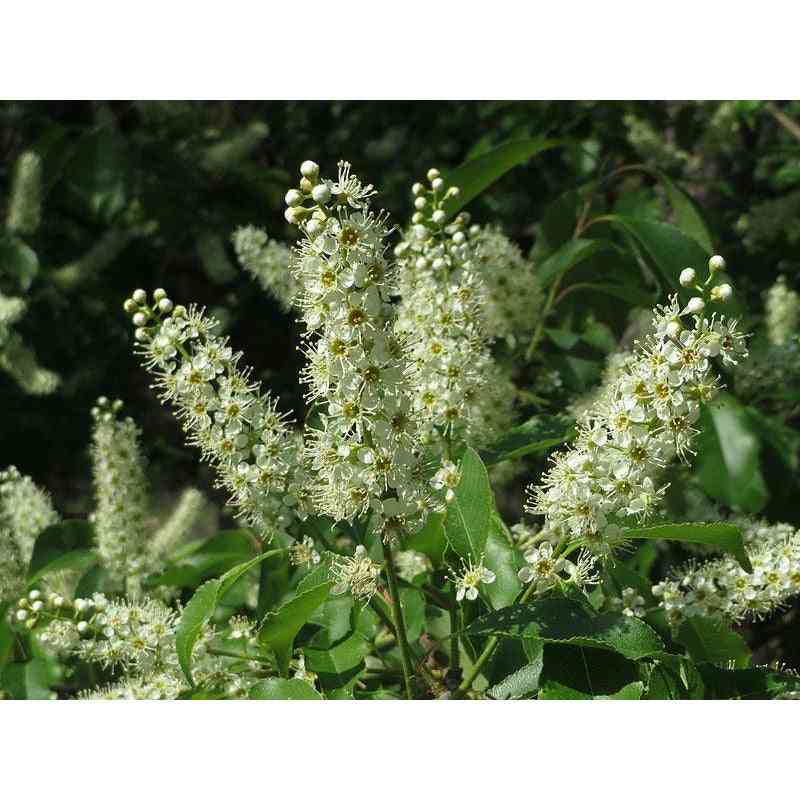
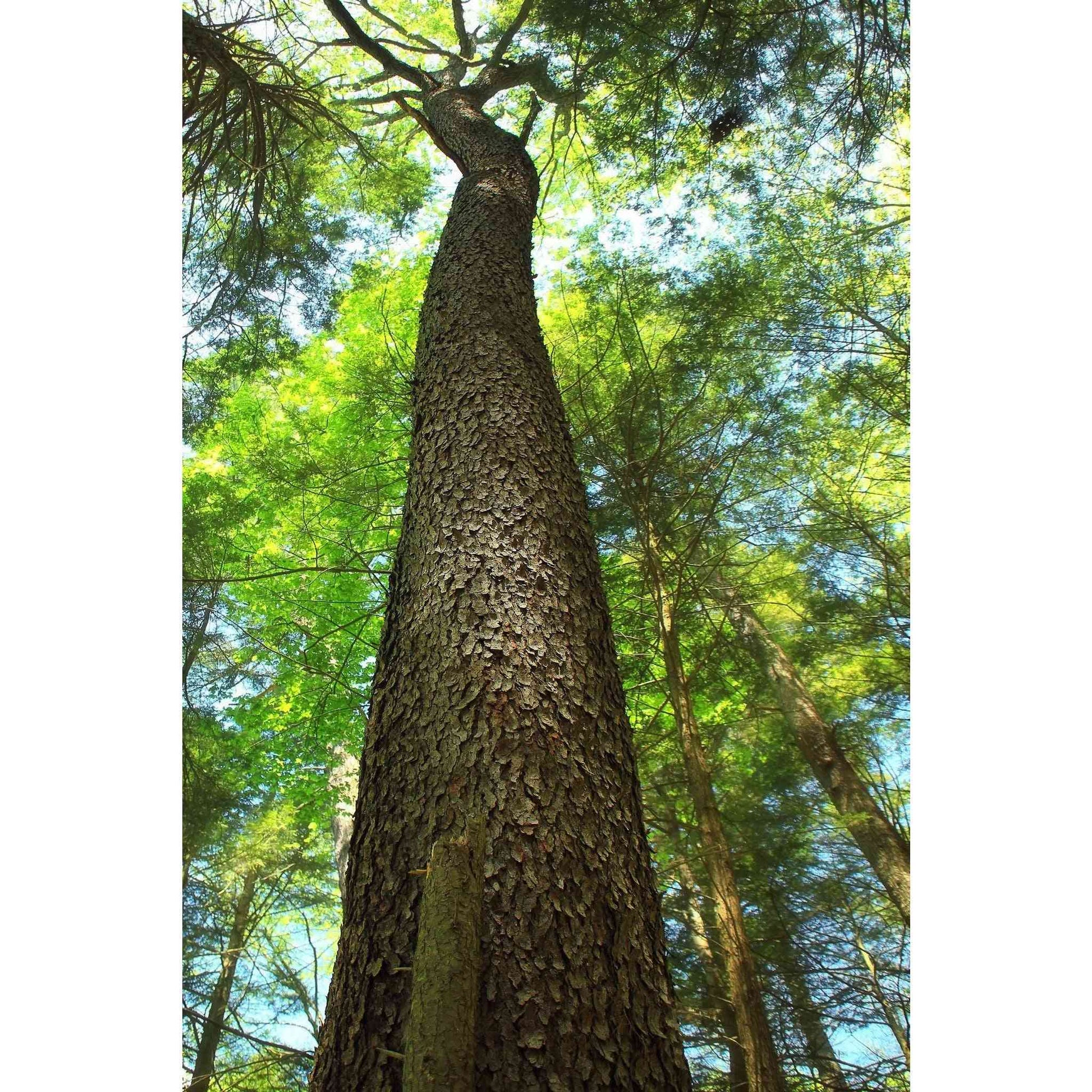
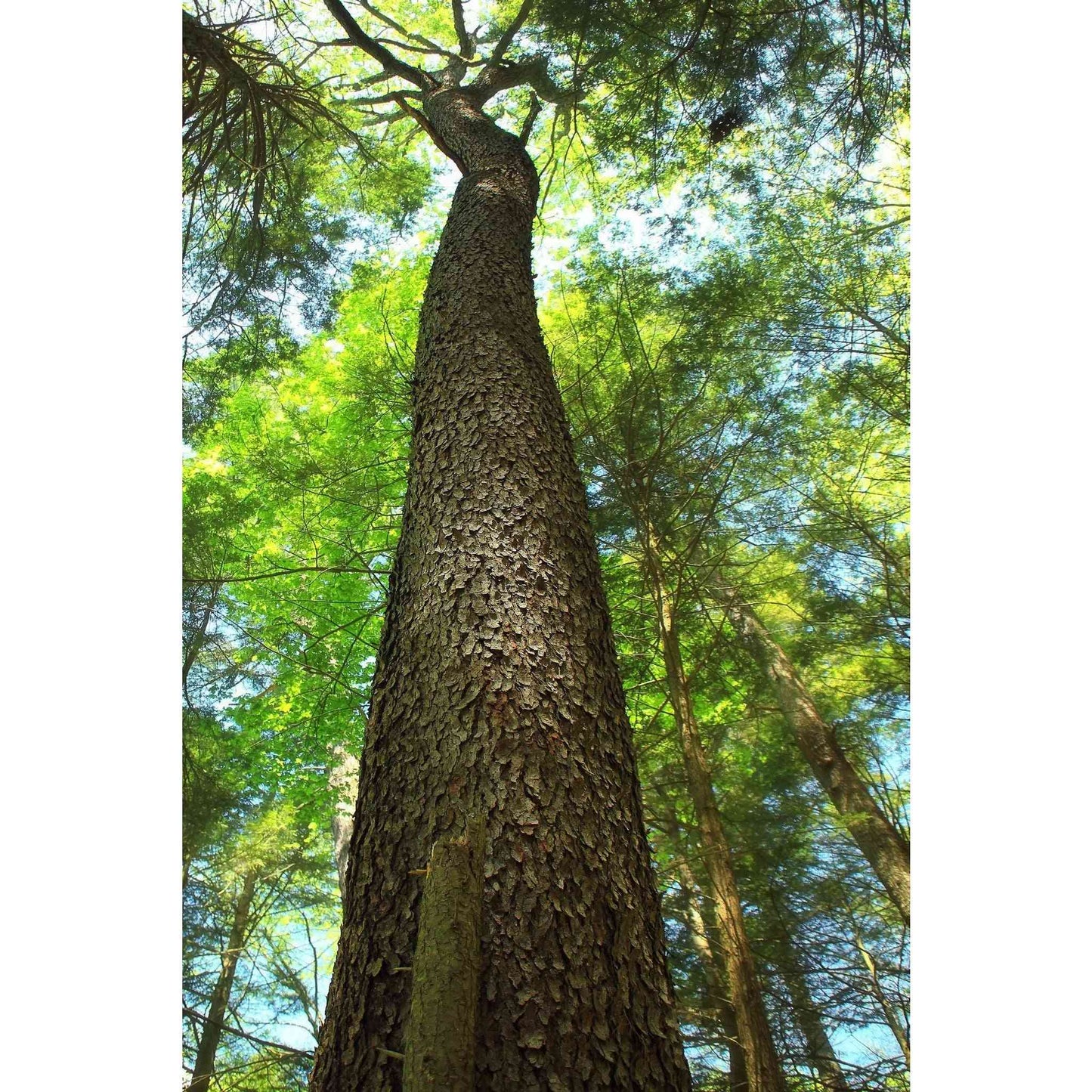
Prunus serotina (Wild Black Cherry)
Prunus serotina (Wild Black Cherry)
Couldn't load pickup availability
$30 minimum per species for seed.
$30 minimum per species for seed.
Each species requires a minimum of $30 of seed to proceed with checkout.
Pure Live Seed
Pure Live Seed
Seed is provided in Pure Live Seed (PLS) unless otherwise stated.
Pure Live Seed (PLS) refers to the percentage of a seed lot that consists of the desired species and is viable (capable of germination).
Here's why PLS is crucial for native seeds:
-
Accurate Planting:
- PLS helps determine the actual number of viable seeds in a given weight or volume of seed.
- This ensures you plant the correct amount of seed to achieve the desired density and success rate.
-
Cost-Effectiveness:
- By knowing the PLS, you can avoid overspending on seed that may not germinate.
- This is especially important for native seeds, which can be more expensive than some cultivated varieties.
-
Weed Control:
- PLS helps minimize the presence of weed seeds within the seed lot.
- This reduces competition for resources and ensures the successful establishment of the desired native plants.
-
Ecological Restoration:
- Using high-quality native seeds with a high PLS is essential for successful ecological restoration projects.
- It helps to re-establish diverse and resilient plant communities that support local wildlife.
Weight Conversions lbs. to oz.
Weight Conversions lbs. to oz.
0.01 pounds = 0.16 ounces
- 0.1 pounds = 1.6 ounces
- 0.25 pounds = 4 ounces
- 0.5 pounds = 8 ounces
- 0.75 pounds = 12 ounces
- 1.00 pounds = 16 ounces
Black cherry grows quickly where enough light reaches its crown. Deep shade from larger trees can suppress or kill it, so its eventual access to sunlight matters.
For Prunus serotina, choose full sun to light shade and moist to slightly dry soil. Recorded habitats include forest borders; Dry open jack pine and aspen savannas; Oak forests; Beech-maple forests; Rich hardwood forests. Reported height: up to 80 ft.
Its below-ground structure is described as taproot. Choose the permanent location with that root structure and the mature size in mind. Planning the surrounding space at planting time reduces the need to reorganize an established bed later.
Plant specifications & ecological relationships
Key growing facts
| Sunlight | Full sun to light shade |
|---|---|
| Soil moisture | Moist to slightly dry |
| Height | Up to 80 ft |
| Bloom season | Late spring to early summer |
Show / hide ▾Growing & planting details
| Growth habit | Large-growing tree that establishes where birds deposit its seeds |
|---|---|
| Root form | Taproot |
| Soil pH | NC State lists acidic, alkaline, neutral soil conditions; no optimal numeric interval is established. |
| Cultivation hardiness zones | Zones 2a–8b (NC State cultivation guidance) |
| Drought tolerance | Medium |
| Deer browsing | White-tailed deer sometimes browse leaves and twigs. |
| Salt tolerance | Medium |
| Plant toxicity | NC State flags poison characteristics; listed parts: fruits, leaves, seeds. Pet safety is not established. |
Plant identification & seed reference
| Botanical name | Prunus serotina |
|---|---|
| Other common names | wild black cherry; Black Cherry; Eastern Wild Black Cherry; Wild Cherry; Wild Rum Cherry |
| Seed germination | USDA lists cold stratification as required; duration is not specified. |
| Plant family | Rosaceae |
| Seeds per pound — reference estimate | 4800 |
Plant characteristics
Prunus serotina (Wild Black Cherry) is a common tree throughout the Midwest and is one of the most valuable wildlife food sources through its fruit, flowers, and foliage. This Cherry is a fast-growing tree with showy white flowers in the spring.
Show / hide ▾Native range & C-value
| Wetland indicator — NWPL 2022 Midwest | FACU |
|---|---|
| C-value — Chicago region, Flora 2017 | 0 |
| Chicago-region native — Flora 2017 | Yes |
| Native range — U.S. states | Alabama; Arizona; Arkansas; Colorado; Connecticut; Delaware; Florida; Georgia; Illinois; Indiana; Iowa; Kansas; Kentucky; Louisiana; Maine; Maryland; Massachusetts; Michigan; Minnesota; Mississippi; Missouri; Nebraska; New Hampshire; New Jersey; New Mexico; New York; North Carolina; Ohio; Oklahoma; Pennsylvania; Rhode Island; South Carolina; Tennessee; Texas; Vermont; Virginia; Washington; West Virginia; Wisconsin |
| County nativity | Not yet verified; occurrence records do not establish nativity. |
Show / hide ▾Plant communities & associates
Other documented plant associations
These published associations show how this plant fits into natural vegetation. The region and community are identified for each list; moisture, shade and flooding can differ within a community.
Forest overstory associates of northern red oak
Eastern North America; species-range synthesis
Other regional plant communities
These plants are named with this species in published vegetation accounts. Each list keeps its community and region; some records describe a shared vegetation type rather than neighboring plants in a measured plot. They are ecological records, not a planting recipe, and may include plants unsuitable for a particular garden.
- Black-oak savanna (Indiana): Rhus glabra.
- Open forests on ridges (Catskill Mountains, New York): Betula alleghaniensis.
- Low dune communities (Robins Island, New York): Celtis occidentalis.
- Woodland shrub and small-tree associates (Northeastern and central North America; account synthesis): Cornus alternifolia.
- Hardwood and mixed forests (Eastern North America; associations vary across the range): Fagus grandifolia.
- Forest canopy and understory associates (Eastern North America; account synthesis): Geranium maculatum.
- Mixed forests (Eastern North America): Pinus strobus.
- Black-cherry and maple forest (Allegheny Plateau and Mountains): Acer rubrum, Acer saccharum, Fraxinus americana, Fagus grandifolia, Tsuga canadensis, Betula lenta, Betula alleghaniensis, Liriodendron tulipifera, Magnolia acuminata, Quercus spp., Carya spp..
- Mixed-oak valley forests (Central Pennsylvania): Prunus virginiana.
Supplementary Illinois preserve records
Recorded Prunus serotina at Loda, Prospect, Weston. The plants below occur in the same named preserve inventories. This is evidence of shared preserve occurrence, not proof that every pair grows together in one microsite.
These mesic black-soil prairie inventories are from central Illinois: Loda (Iroquois County), Prospect (Ford County) and Weston (McLean County). They include introduced plants and are not county-nativity lists or planting recommendations.
- Acalypha gracilens — Slender Mercury (Loda, Prospect, Weston)
- Acalypha virginica — Virginia Mercury (Prospect)
- Acer saccharinum (Silver Maple) (Prospect)
- Achillea millefolium (Common Yarrow) (Loda, Prospect)
- Allium canadense (Wild Garlic) (Loda, Weston)
- Ambrosia artemisiifolia — Common Ragweed (Loda, Prospect)
- Ambrosia trifida — Giant Ragweed (Weston)
- Amorpha canescens (Lead Plant) (Loda, Prospect, Weston)
- Andropogon gerardii (Big Bluestem) (Loda, Prospect, Weston)
- Anemone cylindrica (Thimbleweed) (Prospect, Weston)
- Antennaria neglecta (Prairie Pussytoes) (Prospect)
- Apocynum cannabinum — Dogbane (Prospect)
- Apocynum sibiricum — Indian Hemp (Loda, Weston)
- Arctium minus — Common Burdock (Prospect)
- Asclepias sullivantii (Prairie Milkweed) (Loda, Prospect, Weston)
- Asclepias syriaca (Common Milkweed) (Loda, Prospect, Weston)
- Asclepias tuberosa (Butterfly Milkweed) Seed Packet (Loda, Prospect)
- Asclepias verticillata (Whorled Milkweed) (Loda, Prospect, Weston)
- Asparagus officinalis — Wild Asparagus (Loda, Prospect)
- Aster azureus — Sky-Blue Aster (Weston)
- Aster pilosus — Hairy-Aster (Loda, Prospect, Weston)
- Aster praealthus — Willow Aster (Loda)
- Astragalus canadensis (Canadian Milk Vetch) (Weston)
- Baptisia leucantha — White Wild Indigo (Loda)
- Baptisia leucophaea — Cream Wild Indigo (Prospect, Weston)
- Blephilia ciliata (Downy Wood Mint) (Loda)
- Bromus inermis — Smooth Brome (Prospect, Weston)
- Cacalia tuberosa — Prairie Indian Plantain (Loda)
- Calystegia sepium — American Bindweed (Loda, Prospect, Weston)
- Campsis radicans — Trumpet Creeper (Prospect)
- Carex annectens (Small Yellow Fox Sedge) (Loda)
- Carex bicknellii (Copper-shouldered Oval Sedge) (Loda, Prospect, Weston)
- Carex granularis — Pale Sedge (Loda)
- Carex gravida (Long-awned Bracted Sedge / Heavy Sedge) (Loda, Prospect, Weston)
- Carex meadii (Mead's Sedge) (Loda, Prospect, Weston)
- Carex molesta (Troublesome Sedge) (Loda)
- Carex normalis (Spreading Oval Sedge) (Prospect, Weston)
- Carex stipitata — Common Fox Sedge (Prospect)
- Carex tenera — Narrow-leaved Oval Sedge (Prospect)
- Carex vulpinoidea (Brown Fox Sedge) (Prospect)
- Cassia fasciculata — Partridge Pea (Loda, Weston)
- Ceanothus americanus (New Jersey Tea) (Loda, Prospect, Weston)
- Celastrus scandens — Bittersweet (Loda, Prospect)
- Celtis occidentalis (Hackberry) (Prospect, Weston)
- Cerastium vulgatum — Mouse-Eared Chickweed (Prospect)
- Chamaesyce maculata — Nodding Spurge (Loda)
- Chenopodium album — Lamb’s Quarters (Prospect, Weston)
- Chrysanthemum leucanthemum — Ox-eye Daisy (Loda)
- Cichorium intybus — Chicory (Loda)
- Cirsium arvense — Field Thistle (Prospect)
- Cirsium discolor — Pasture Thistle (Loda, Prospect, Weston)
- Cirsium vulgare — Bull Thistle (Prospect)
- Claytonia virginica (Spring Beauty) (Loda, Prospect)
- Comandra umbellata — Bastard Toadflax (Prospect, Weston)
- Convallaria majalis — Lily-of-the-valley (Loda, Prospect)
- Coreopsis palmata (Prairie Coreopsis) (Weston)
- Coreopsis tripteris (Tall Coreopsis) (Loda, Prospect, Weston)
- Cornus drummondii — Rough-leaved Dogwood (Loda)
- Cornus racemosa — Gray Dogwood (Loda, Prospect)
- Crataegus crus-galli — Cock-spur Hawthorn (Prospect)
- Crataegus sp — Hawthorn (Prospect, Weston)
- Crotolaria sagittalis — Rattlebox (Prospect)
- Dactylis glomerata — Orchard Grass (Loda)
- Dalea candida or Petalostemum candidum (White Prairie Clover) (Weston)
- Dalea purpurea or Petalostemum purpureum (Purple Prairie Clover) (Loda, Prospect)
- Daucus carota — Queen Anne’s Lace (Loda, Prospect, Weston)
- Desmodium canadense (Showy Tick Trefoil) (Loda, Prospect, Weston)
- Desmodium illinoense — Illinois Tick Trefoil (Loda, Prospect, Weston)
- Diospyros virginiana (American Persimmon) (Loda)
- Dipsacus laciniatus — Cut-leaf Teasel (Loda)
- Dipsacus sylvestris — Common Teasel (Loda)
- Dodecatheon media — Shooting Star (Loda, Weston)
- Echinacea pallida (Pale Purple Coneflower) (Loda, Prospect, Weston)
- Eleocharis compressa — Golden-seeded Spike Rush (Loda, Prospect)
- Eleocharis verrucosa — Slender Spike Rush (Prospect)
- Elymus canadensis (Canada Wild Rye) (Loda, Prospect, Weston)
- Elymus virginicus (Virginia Wild Rye) (Loda, Prospect, Weston)
- Erigeron annuus — Annual Fleabane (Loda, Prospect, Weston)
- Erigeron strigosus — Daisy Fleabane (Loda, Prospect)
- Eryngium yuccifolium (Rattlesnake Master) (Loda, Prospect, Weston)
- Eupatorium altissimum — Tall Boneset (Prospect)
- Eupatorium serotinum — Late Boneset (Loda)
- Euphorbia corollata (Flowering Spurge) (Loda, Prospect, Weston)
- Euphorbia cyparissias — Cypress Spurge (Prospect, Weston)
- Festuca pratensis — Meadow Fescue (Loda)
- Fragaria virginiana (Wild Strawberry) (Loda, Prospect, Weston)
- Galium aparine — Annual Bedstraw (Prospect)
- Galium obtusum — Wild Madder (Loda)
- Gaura biennis — Butterfly-weed (Loda, Prospect, Weston)
- Gaura longiflora — Common Gaura (Prospect)
- Gentiana puberulenta — Downy Gentian (Prospect, Weston)
- Geum canadense — White Avens (Loda, Prospect)
- Helianthus grosseserratus (Saw-tooth Sunflower) (Loda, Prospect, Weston)
- Helianthus mollis (Downy Sunflower) (Prospect)
- Helianthus rigidus — Prairie Sunflower (Loda, Prospect, Weston)
- Heliopsis helianthoides (False Sunflower) (Prospect)
- Hemerocallis fulva — Orange Day Lily (Loda, Prospect, Weston)
- Houstonia purpurea — Broad-leafed Bluets (Loda)
- Hypericum perforatum — Commons St. John’s Wort (Loda)
- Hypericum sphaerocarpum — Round-fruited St. John’s Wort (Loda, Prospect)
- Hypoxis hirsuta — Yellow Star Grass (Loda, Prospect, Weston)
- Iris germanica — Iris (Prospect, Weston)
- Juncus interior (Inland Rush) (Loda)
- Juniperus virginiana (Eastern Red Cedar) (Prospect)
- Koeleria macrantha (June Grass) (Weston)
- Kuhnia eupatorioides — False Boneset (Prospect)
- Lactuca canadensis — Wild Lettuce (Loda, Prospect, Weston)
- Lespedeza capitata (Round-headed Bush Clover) (Loda, Prospect, Weston)
- Liatris aspera (Button Blazing Star, Rough Blazing Star) (Weston)
- Liatris pycnostachya (Prairie Blazing Star) (Loda)
- Lilium philadelphicum subsp. andinum — Prairie Lily (Prospect)
- Linum sulcatum — Grooved Yellow Flax (Weston)
- Lithospermum canescens — Hoary Puccoon (Prospect, Weston)
- Lobelia spicata (Pale Spiked Lobelia) (Loda, Prospect, Weston)
- Lonicera japonica — Japanese Honeysuckle (Prospect)
- Lonicera maackii — Amur Honeysuckle (Prospect)
- Lonicera tartarica — Tartarian Honeysuckle (Prospect)
- Lysimachia ciliata (Fringed Loosestrife) (Weston)
- Lysimachia lanceolata — Lance-leafed Loosestrife (Loda, Prospect)
- Lysimachia nummularia — Moneywort (Loda)
- Lythrum alatum (Winged Loosestrife) (Loda)
- Malus ioensis (Prairie Crab Apple) (Loda, Weston)
- Medicago lupulina — Black Medick (Loda, Prospect)
- Medicago sativa — Alfalfa (Weston)
- Melilotus alba — White Sweet Clover (Loda, Prospect, Weston)
- Mirabilis nyctaginea — Wild Four O’Clock (Weston)
- Monarda fistulosa (Wild Bergamot / Bee Balm) (Loda, Prospect, Weston)
- Morus alba — White Mulberry (Prospect)
- Morus rubra — Red Mulberry (Weston)
- Muhlenbergia frondosa — Common Satin Grass (Weston)
- Oenothera biennis — Common Evening Primrose (Prospect, Weston)
- Oenothera pilosella (Prairie Sundrops) (Loda)
- Ornithogalum umbellatum — Star of Bethlehem (Prospect)
- Oxalis dillenii — Yellow Wood Sorrel (Loda, Prospect, Weston)
- Oxalis violacea (Violet Wood Sorrel) (Prospect, Weston)
- Paeonia sp — Peony (Weston)
- Panicum acuminatum — Panic Grass (Loda, Prospect)
- Panicum leibergii — Prairie Panic Grass (Loda, Prospect)
- Panicum oligosanthes — Few-flowered Panic Grass (Prospect, Weston)
- Panicum praecocius — Panic grass (Prospect)
- Panicum villosissimum — White-haired Panic Grass (Prospect)
- Panicum virgatum (Switch Grass) (Loda, Prospect, Weston)
- Parthenium integrifolium (Wild Quinine) (Loda, Prospect)
- Parthenocissus quinquefolia (Virginia Creeper) (Prospect)
- Pastinaca sativa — Wild Parsnip (Loda, Prospect, Weston)
- Pedicularis canadensis (Wood Betony or Canadian Lousewort) (Prospect, Weston)
- Perideridia americana — Thicket Parsley (Loda)
- Phleum pratense — Timothy (Loda, Prospect, Weston)
- Phlox paniculata — Garden Phlox (Weston)
- Phlox pilosa (Prairie Phlox) (Loda, Prospect, Weston)
- Physalis heterophylla — Clammy Ground Cherry (Loda, Prospect)
- Physalis lanceolata — Lance-leaved Ground Cherry (Prospect)
- Physalis subglabrata — Tall Ground Cherry (Loda)
- Physalis virginiana — Lance-leaved Ground Cherry (Prospect, Weston)
- Physostegia virginiana (Obedient Plant) (Prospect, Weston)
- Plantago rugelii — Red-stalked Plantain (Prospect)
- Platanthera leucophaea — Prairie White Fringed Orchid (Loda)
- Poa compressa — Canada Bluegrass (Prospect, Weston)
- Poa pratensis — Kentucky Bluegrass (Loda, Prospect, Weston)
- Polygala verticillata — Wholed Milkwort (Loda, Prospect)
- Polygonatum commutatum — Solomon’s Seal (Prospect)
- Polygonum amphibium — Water Knotweed (Loda)
- Polytaenia nuttallii — Prairie Parsley (Loda)
- Populus alba — White Popular (Prospect)
- Potentilla arguta (Prairie Cinquefoil) (source: Potentilla arguta) (Prospect, Weston)
- Potentilla simplex — Common Cinquefoil (Loda, Prospect)
- Prenanthes aspera — Rough White Lettuce (Prospect, Weston)
- Prunella vulgaris — Self Heal (Loda, Prospect)
- Prunus americana (American Plum) (Loda, Prospect)
- Pycnanthemum tenuifolium (Slender Mountain Mint) (Loda, Prospect)
- Pycnanthemum virginianum (Common Mountain Mint) (Loda, Prospect, Weston)
- Quercus velutina (Black Oak) (Prospect)
- Ranunculus abortivus — Small-flowered Buttercup (Prospect)
- Ratibida pinnata (Yellow Coneflower) (Loda, Prospect, Weston)
- Rhus radicans — Poison Ivy (Loda, Prospect)
- Rosa carolina (Pasture Rose) (Loda, Prospect, Weston)
- Rosa multiflora — Multiflora Rose (Prospect)
- Rubus alleghaniensis — Common Black-berry (Prospect, Weston)
- Rubus occidentalis — Black Raspberry (Prospect, Weston)
- Rubus pensilvanicus — Pennsylvania Blackberry (Loda, Prospect)
- Rudbeckia hirta (Black-eyed Susan) (Loda, Weston)
- Rudbeckia triloba (Brown-eyed Susan) (Loda)
- Ruellia humilis (Wild Petunia) (Loda, Prospect, Weston)
- Rumex crispus — Curly Dock (Loda, Weston)
- Sanicula canadensis — Canadian Black Snakeroot (Loda, Prospect)
- Schizachyrium scoparium or Andropogon scoparius (Little Bluestem) (Loda, Prospect, Weston)
- Scirpus pendulus (Nodding Bulrush or Rufous Bulrush) (Loda)
- Scutellaria leonardii — Small Skullcap (Loda, Prospect)
- Scutellaria parvula (Small Skullcap) (Prospect)
- Sedum purpureum — Live-forever (Prospect)
- Setaria glauca — Yellow Foxtail (Loda, Weston)
- Silphium integrifolium (Rosinweed) (Loda, Prospect, Weston)
- Silphium laciniatum (Compass Plant) (Loda, Prospect, Weston)
- Silphium terebinthinaceum (Prairie Dock) (Loda, Prospect, Weston)
- Sisyrinchium albidum (Common Blue-eyed Grass) (Loda, Prospect, Weston)
- Sisyrinchium campestre (Prairie Blue-Eyed Grass) (Prospect)
- Smilax hispida — Bristly Green Briar (Prospect)
- Solanum carolinense — Horse Nettle (Loda)
- Solidago canadensis — Canada Goldenrod (Loda, Weston)
- Solidago gigantea — Late Goldenrod (Loda)
- Solidago graminifolia — Grass-leaved Goldenrod (Loda)
- Solidago juncea (Early Goldenrod) (Loda)
- Solidago missouriensis — Missouri Goldenrod (Loda, Weston)
- Solidago nemoralis (Old Field Goldenrod) (Loda, Prospect)
- Solidago rigida — Rigid Goldenrod (Loda, Prospect, Weston)
- Sorghastrum nutans (Indian Grass) (Loda, Prospect, Weston)
- Spartina pectinata (Prairie Cordgrass) (Loda, Prospect)
- Spiraea prunifolia — Bridal-Wreath (Prospect)
- Sporobolus heterolepis (Northern Dropseed) (Loda, Prospect, Weston)
- Sporolobus aspera — Rough Dropseed (Prospect, Weston)
- Stipa spartea — Porcupine Grass (Prospect, Weston)
- Symphyotrichum ericoides or Aster ericoides (Heath Aster) (source: Aster ericoides) (Loda, Prospect, Weston)
- Symphyotrichum laeve / Aster laevis (Smooth Blue Aster) (source: Aster laevis) (Prospect, Weston)
- Symphyotrichum novae-angliae (New England Aster) (source: Aster novae-angliae) (Loda, Prospect)
- Syringa vulgaris — Common lilac (Prospect)
- Taraxacum officinale — Dandelion (Prospect, Weston)
- Thaspium barbinode — Hairy Meadow Parsnip (Loda)
- Tradescantia ohiensis (Ohio Spiderwort) (Prospect)
- Tragopogon dupius — Sand Goat’s Beard (Loda, Weston)
- Tragopogon pratensis — Common Goat’s Beard (Loda, Prospect, Weston)
- Trifolium campestre — Low Hop Clover (Prospect)
- Trifolium pratense — Red Clover (Loda, Prospect, Weston)
- Ulmus rubra — Slippery Elm (Prospect)
- Verbena canadensis — Rose Vervain (Loda)
- Verbena urticifolia — White Vervain (Prospect)
- Veronicastrum virginicum (Culver's Root) (Loda, Weston)
- Viburnum lantana — Wayfaring Tree (Prospect)
- Viburnum opulus — European Highbush Cranberry (Prospect)
- Viburnum prunifolium (Blackhaw Viburnum) (Prospect)
- Vinca minor — Common Periwinkle (Prospect)
- Viola pedatifida (Prairie Violet) (Loda, Prospect, Weston)
- Viola pratincola — Common Blue Violet (Loda, Prospect, Weston)
- Viola soraria — Woolly Blue Violet (Loda, Prospect)
- Vitis riparia (Riverbank Grape) (Loda, Prospect)
- Yucca flaccida — Yucca (Prospect)
- Zizia aurea (Golden Alexanders) (Loda, Prospect, Weston)
Show / hide ▾Pollinators & wildlife
Caterpillars & other plant-feeding insects
This plant has published caterpillar host records for the butterflies and moths listed below. These are larval feeding relationships, separate from adult nectar visits. The records span a North American literature compilation and do not establish that every insect occurs locally or uses only this plant.
Butterflies & skippers
- Celastrina lucia — Lucia Azure
- Celastrina neglecta — Summer Azure
- Papilio glaucus — Eastern Tiger Swallowtail
- Papilio rutulus — Western Tiger Swallowtail
Moths
- Acharia stimulea — Saddleback Caterpillar Moth
- Acleris flavivittana — Masked Leaf Roller, Multiform Leafroller Moth
- Acronicta clarescens — Clear Dagger
- Acronicta hasta — Speared Dagger, Cherry Dagger, Dart Dagger
- Acronicta interrupta — Interrupted Dagger
- Acronicta lanceolaria — Narrow-Winged Dagger, Lanceolate Dagger
- Acronicta longa — Long-Winged Dagger, Darkish Dagger
- Acronicta radcliffei — Radcliffe's Dagger
- Adoneta bicaudata
- Adoneta spinuloides — Purple-Crested Slug
- Alsophila pometaria — Fall Cankerworm Moth
- Amphipyra pyramidoides — Miranda Underwing, Copper Underwing, Copper Amphipyra
- Ancylis burgessiana — Oak Leafroller
- Antepione thisoaria — Variable Antepione
- Apantesis nais — Nais Tiger Moth
- Aphelia alleniana — Wide-Striped Leaf Roller, Allen's Tortrix
- Archips fuscocupreanus — Exotic Leafroller Moth, ?Asian Leafroller (listed as introduced in the source)
- Argyrotaenia mariana — Gray-Banded Leafroller Moth
- Artace cribrarius — Dot-Lined White Moth
- Caloptilia invariabilis — Cherry Leaf-Cone Caterpillar Moth
- Caloptilia serotinella — Cherry Leaf Cone Roller
- Campaea perlata — Pale Beauty, Fringed Looper
- Carsia sororiata — Bog Carpet, Manchester Treble-Bar [British]
- Chaetaglaea sericea — Silky Sallow
- Chionodes adamas
- Coelodasys unicornis — Unicorn Caterpillar Moth
- Coleophora atromarginata — Pistol Casebearer, American Pistol Casebearer Moth
- Coleophora pruniella — Cherry Casebearer, Apple Leafmining Casebearer, Western Cigar Casebearer
- Eacles imperialis — Imperial Moth, Imperial Spiny Caterpillar
- Egira alternans — Alternate Woodling
- Eucirroedia pampina — Scalloped Sallow
- Euclea delphinii — Spiny Oak-Slug Moth
- Eupithecia swettii
- Eupsilia cirripalea — Franclemont's Sallow
- Eupsilia schweitzeri
- Eupsilia vinulenta — Straight-Toothed Sallow
- Eutrapela clemataria — Curved-Tooth Geometer, Purplish Brown Looper
- Filatima serotinella — X
- Furcula borealis — White Furcula
- Hypagyrtis unipunctata — One-Spotted Variant
- Iridopsis defectaria — Brown-Shaded Gray, Willow Looper
- Isa textula — Crowned Slug
- Kocakina fidelis — Intractable Quaker, Green Fruitworm, Fourlined Green Fruitworm
- Lacanobia atlantica — Atlantic Arches
- Lithacodes fasciola — Yellow-Shouldered Slug
- Lithophane antennata — Ashen Pinion
- Machimia tentoriferella — Gold-Striped Leaftier Moth
- Macrurocampa alpina
- Macrurocampa gigantea
- Marmara serotinella — X
- Mesogona olivata
- Metarranthis amyrisaria — X
- Metaxaglaea viatica — Roadside Sallow
- Mniotype ducta
- Morrisonia confusa — Confused Woodgrain
- Olethreutes inornatana — Inornate Olethreutes
- Orgyia definita — Definite Tussock Moth
- Orgyia leucostigma — White-Marked Tussock Moth
- Orthosia hibisci — Speckled Green Fruitworm Moth, Speckled Green Quaker
- Parasa chloris — Smaller Parasa, Green Slug Moth
- Paraseptis adnixa
- Plagodis serinaria — Lemon Plagodis
- Prochoerodes lineola — Large Maple Spanworm Moth
- Prolimacodes badia — Skiff Moth, Skiff Caterpillar
- Rheumaptera prunivorata — Ferguson's Scallop Shell, Cherry Scallop Shell
- Semioscopis aurorella
- Sericaglaea signata — Variable Sallow
- Sparganothis umbrana — Birdsfoot Trefoil Leaftier
- Sunira bicolorago — Bicolored Sallow
- Synanthedon pictipes — Lesser Peachtree Borer Moth
- Synanthedon scitula — Dogwood Borer, Pecan Borer
- Tolype velleda — Large Tolype, Large Lappet Moth, Vellada Lappet Moth
- Tortricidia testacea — Early Button Slug
- Xystopeplus rufago — Red-Winged Sallow
- Zale intenta — Bold-Based Zale[two share this common name], Intent Zale
- Zale lunata — Lunate Zale
Show / hide ▾Frequently asked questions
What are the ideal growing conditions for Wild Black Cherry?
Prunus serotina performs best in partial sun to light shade with mesic to dry-mesic (oak woodlands & fencerows) conditions. It thrives in authentic regional soil types ranging from sandy loam to well-drained clay loams.
How do I germinate and establish Wild Black Cherry from seed?
Seed of Prunus serotina has a germination code of C(60). For best results, sow seed in late fall/winter for natural outdoor freeze-thaw stratification, or cold-moist stratify in refrigeration for 30 to 60 days before spring indoor propagation.
Is Wild Black Cherry deer and herbivore resistant?
Yes. Native plants adapted to Midwestern habitats naturally produce protective secondary compounds and fibrous textures that make them highly resistant to deer, rabbits, and other grazing herbivores.
When should I expect Wild Black Cherry to emerge and bloom?
Established plants break dormancy in spring as soil temperatures warm, developing vigorous foliage before blooming in their seasonal window to provide vital nectar when native pollinators need it most.
Show / hide ▾Sources & ecological notes
Chicago-region assessment: Wilhelm & Rericha (2017), Flora of the Chicago Region, via Kenneth Johnson’s Universal FQA dataset (2018). Chicago-region native status is separate from U.S. nativity.
The C-value and Chicago-region native status shown here also agree with the U.S. Army Corps of Engineers Chicago Region FQA dataset (2017), distributed through the USACE/ERDC fqadata package under CC0.
Flora of the Chicago Region (2017) records this taxon as native in the Chicago region.
The state list describes native botanical distribution. It does not establish county nativity or occurrence, suitability for every site, or the origin of the plants and seeds offered here. An unlisted state is not proof of absence.
Range data: World Checklist of Vascular Plants, Royal Botanic Gardens, Kew; 4 June 2026 release, accessed 7 September 2026. © The Trustees of the Royal Botanic Gardens, Kew. CC BY 3.0; selected and reformatted. Kew cannot warrant the quality or accuracy of these data. This use has no Kew endorsement.
State and county nativity: The state list uses WCVP records marked native, excluding introduced, extinct and doubtful records. County nativity has not yet been verified for this listing. Presence in a county or preserve does not establish nativity there.
Preserve records: INHS inventories of Loda, Prospect and Weston prairies, compiled principally from records by Paul Shildneck, Kenneth R. Robertson and John Taft. Selected occurrence facts regrouped by Natural Communities; inventory native flags and 1997 Illinois C-values are not used for the assessments on this page.
Documented plant associations: U.S. Department of Agriculture, Forest Service — querub. Regions and community contexts are retained in the lists above. Federal botanical facts summarized in original wording; no photographs reproduced.
Available Flora-linked Chicago assessments remain controlling. These regional ecology accounts supplement evidence not available for direct reuse from the Flora; they are not represented as Chicago Flora association lists.
Plant communities: USDA Forest Service, Fire Effects Information System (FEIS): Betula alleghaniensis; Celtis occidentalis; Cornus alternifolia; Fagus grandifolia; Geranium maculatum; Pinus strobus; Prunus serotina; Prunus virginiana; Rhus glabra. Selected association facts regrouped in original wording; regional scope retained. No source photographs or captions reproduced.
Caterpillar host records: Shropshire, K.J. & Tallamy, D.W. (2025), Lepidoptera of North America, Supplement 1. Contains information from this database made available under the Open Database License (ODbL 1.0). Natural Communities selected species-level records and screened source qualifications. The complete selection and transformation instructions for this page are available below under the same license.
C-value source: Flora of the Chicago Region (2017), Universal FQA database 80. Matched source taxon: Prunus serotina. Exact.
Sources checked September 5, 2026. Regional assessments and growing observations apply to their stated settings. Unverified fields are omitted; missing information does not mean an ecological relationship is absent.
- Illinois Wildflowers — John Hilty. Limited botanical facts presented in Natural Communities’ own wording. Source-specific observations retain their stated scope; photographs, original descriptive prose and compiled relationship tables are excluded. Supports: Bloom Season; Deer Resistance; Height; Opening botanical description; Root Architecture & Depth; Soil Moisture Range; Sun Exposure; Sunlight Exposure.
- Universal FQA — Flora-linked Chicago database 80. Taxonomic names, family and regional nativity originally checked against Kenneth Johnson’s Flora-linked database 80 (2018), citing Wilhelm & Rericha (2017). Limited factual identification only; the C-value follows this Flora-linked database wherever an exact or documented synonym match is available. Supports: Alternate Common Names; Botanical Name; Chicago-region native status; Plant Family.
- USACE/ERDC fqadata — Chicago Region FQA 2017. Herman, B., Sliwinski, R. & Whitaker, S. (2017), Chicago Region FQA Calculator; distributed by USACE/ERDC in fqadata under CC0. Values may differ from Flora of the Chicago Region (2017). CC0 dedication. Retained for comparison; the displayed C-value follows Flora database 80.
- NC State Extension Gardener Plant Toolbox. Limited botanical facts presented in Natural Communities’ own wording. Source-specific observations retain their stated scope; photographs, original descriptive prose and compiled relationship tables are excluded. Supports: Alternate Common Names; Soil pH Range; Toxicity / Pet Safety; USDA Hardiness Zones.
- USDA NRCS PLANTS — taxon profile and characteristics. USDA NRCS PLANTS Database, checked September 5, 2026. Numeric and categorical taxon-level facts only; no photographs or third-party guide prose reproduced. Supports: Drought Tolerance; Germination Code; Salt Tolerance; Seeds per pound — USDA reference estimate.
- Patrick Goggin — Wisconsin Guide to Native Plants. Limited botanical facts presented in Natural Communities’ own wording. Source-specific observations retain their stated scope; photographs, original descriptive prose and compiled relationship tables are excluded. Supports: Primary Native Habitats; Spread Habit. Source locators: page=40.
- USACE National Wetland Plant List 2022 — Midwest. U.S. Army Corps of Engineers, 2022 National Wetland Plant List, Midwest region; effective February 13, 2024. Federal data. Supports: Wetland Indicator Status.
- USDA Forest Service — FEIS, wildflower accounts and seed manual. Taylor, Jennifer L. 2001. Populus deltoides. U.S. Department of Agriculture, Forest Service, Fire Effects Information System. Public-domain synthesis; community records retain their reported geography. Supports: Documented community associate: Populus deltoides.
- USDA Forest Service — FEIS, wildflower accounts and seed manual. Tirmenstein, D. A. 1991. Quercus alba. U.S. Department of Agriculture, Forest Service, Fire Effects Information System. Public-domain synthesis; community records retain their reported geography. Supports: Documented community associate: Quercus alba.
Flora rating attribution: Kenneth Johnson (2018), Flora of the Chicago Region UFQA Database, following Gerould Wilhelm and Laura Rericha (2017), Flora of the Chicago Region: A Floristic and Ecological Synthesis. Individual rating facts are presented with original commentary; the calculator’s software license is not treated as a license for the underlying Flora publication.
The linked Illinois plant relationships were reconciled with INHS-hosted source inventories on September 6, 2026. Same-remnant pairs were calculated from shared named-site occurrences and organized for this catalog; they are not copied narrative descriptions or proof of microsite compatibility.
Source names are retained where a current name or product match has not been verified.
Historical botanical names remain visible where used by the source. These regional accounts supplement the available Chicago Flora evidence.
Reusable research data
{"title":"Natural Communities selected host records for Prunus serotina","source":"Shropshire, K.J. & Tallamy, D.W. (2025). Lepidoptera of North America, north of Mexico: an annotated list containing geographic ranges and host-plant records. Supplement 1.","source_doi":"https://doi.org/10.3897/zookeys.1261.160796.suppl1","download":"https://binary.pensoft.net/file/1478226","source_sha256":"250a11ec19c89f81374af3bc632f6897491cbe540edb09ccdaf298dc73bf9472","license":"ODbL-1.0","license_url":"https://opendatacommons.org/licenses/odbl/1-0/","method":"Complete machine-readable selection and alteration file under ODbL section 4.6(b). In source worksheet UDELep May 2025, select only rows whose column A UDLepID appears in selection. Each selection entry contains [retained source plant names, selected insect IDs]. Create one record per selected ID and retained plant name; these are reported larval hosts. Scientific insect name is the first two whitespace-separated tokens of column H; common name is E; source category is AB. Other source fields are unchanged and are not part of this derived table. No other rows or host pairs are used on this page. Group Butterfly and Skipper categories together, and other categories as moths; retain exotic category labels. Display names are sorted by scientific insect name.","plant":"Prunus serotina","scope":"Host literature synthesis; no county nativity or local insect occurrence inferred.","selection":[[["Prunus serotina"],["200078","200107","200289","200303","200313","200315","200320","200336","200399","200402","200654","200728","200839","201036","201172","201195","201287","201448","201549","202140","202167","202262","202354","202557","202558","202630","202688","203103","203150","203236","204360","204403","205089","205090","205590","205618","205624","205627","205675","206015","206084","207133","207389","207406","207476","207482","207799","207813","208073","208097","208100","208168","208305","208335","208352","208417","208511","208995","209081","209084","209121","209314","209327","209453","209456","210174","210422","210452","210964","211460","211470","211613","211926","212166","212179","212512","212526","212913","212969","212971"]]]}
Plant Shipping & Care
Plant Shipping & Care
We want to ensure that our customers get what they want, a native backyard oasis. To do that, we need to follow a few simple guidelines and give you some information and pointers to make sure you get your plants delivered in a healthy state.
As a reminder, you will receive an email to confirm your pickup or shipping window just before the plants are ready. See Order Fulfillment below for seasonal fulfillment windows.
Choices to Receive Your Plants & Accessories
- Retail - We only offer shipping & shipping is calculated at check out*
- We do not offer retail pick up
- Wholesale - Delivery is customized based on order size and location
- Wholesale - Pickup is free
Order Fulfilment - When Your Plants or Other Items Will Be Ready
We take orders all year long and seed is shipped all year, but we only provide the plants to you in certain fulfillment windows to ensure healthy plants.
Wholesale Orders
- Shipped or are Ready For Pick Up As Requested.
Retail & Website Orders
- Seed Typically Ships Out Within One Week Of Order All Year Long
- Typically, single species flats ship when ready, sometimes as soon as early to mid-April (depends on weather) through early-October.
- Mixed species kits are batched and shipped as indicated on the product page.
- If a plant order is placed while outside of the plant fulfillment window your plants will be reserved through your payment, however, the order will not be fulfilled and shipped until the following spring. We don't want to provide you plants when they won't be happy during the cold winter months.
- Early in the spring and later in the fall certain species may be dormant or partially dormant with brown leaves, however they will return to grow healthy next growing season.
- Your order may arrive in several different shipments.
- If certain plants within an order will not be available until a later date, we may choose to hold the full order until all are ready. In certain circumstances, we may choose to send them in two separate shipments
- Fulfillment is always dependent upon plant availability. We try our best but sometimes plants do not overwinter well and perish. If a plant is on back order you will receive an email indicating the estimated shipping date. If we can not provide the plant we will first notify you and give you an option of substitution or a refund of that individual species.
- Plants are typically only packaged and shipped on Mondays to ensure they do not sit in the harsh delivery facility for extended periods of time over the weekend. You will receive a confirmation email once your delivery has been shipped and to estimate your delivery date.
- Apparel & accessories are ready typically within one to two weeks. See product page for holiday shipping.
Where We Ship

What to Expect When Receiving Your Delivery
- Your plants will be packaged with the utmost care
- We will need to cut back certain plants prior to shipping. This seems counter-intuitive, however, the fewer leaves the less water the plants can lose during shipping, resulting in healthier plants for you. This also enables the plants to fit within the protective packaging and shipped safely.
Shipments
- Larger plant shipments will look similar to the picture below with a tray of your plants and a cardboard box to protect them during shipping.

What to Do With Your Plants After Receiving Your Delivery
- Unpack your order IMMEDIATELY
- Inspect for damage and report any issues immediately to Natives@NaturalCommunities.net
- Water your plants
- Install your plants as quickly as possible and water the entire garden area thoroughly
- If you cannot install your plants immediately
- Some plants may not be in a container, put them into some kind of a container such as a paper cup with loose soil until installation
- Make sure each plant is receiving the appropriate amount of light.
- Continue to water daily each morning and possibly again in the afternoon
- No additional fertilizer is needed

Seed Shipping & Care
Seed Shipping & Care
There is a minimum order requirement of $30 for each seed species. Seed ships all year and typically ships within a week of an order being placed.
We have attempted to put together some basic information regarding native seed installation, establishment, and maintenance. We hope you find it helpful. If you need further assistance on native seed establishment, please schedule a free consolation call here.
Consultation Services
Ecosystem Restoration Considerations
Native Seed Establishment Best Management Practices
Native Seed Stratification Best Management Practices
Solving a Site Problem? Get Expert Advice + Get Store Credit
Whether you're fighting severe erosion, replacing invasive species, designing a pollinator haven, or seeding large acreage, choosing the wrong species wastes time and money. Talk 1-on-1 with a restoration ecologist to map out the exact species, plug counts, or seed mixes for your soil and goals. Book a consultation and get all or a portion credited directly back to your order.